




Rafizi to return from hiatus, aims for PKR No 2 spot
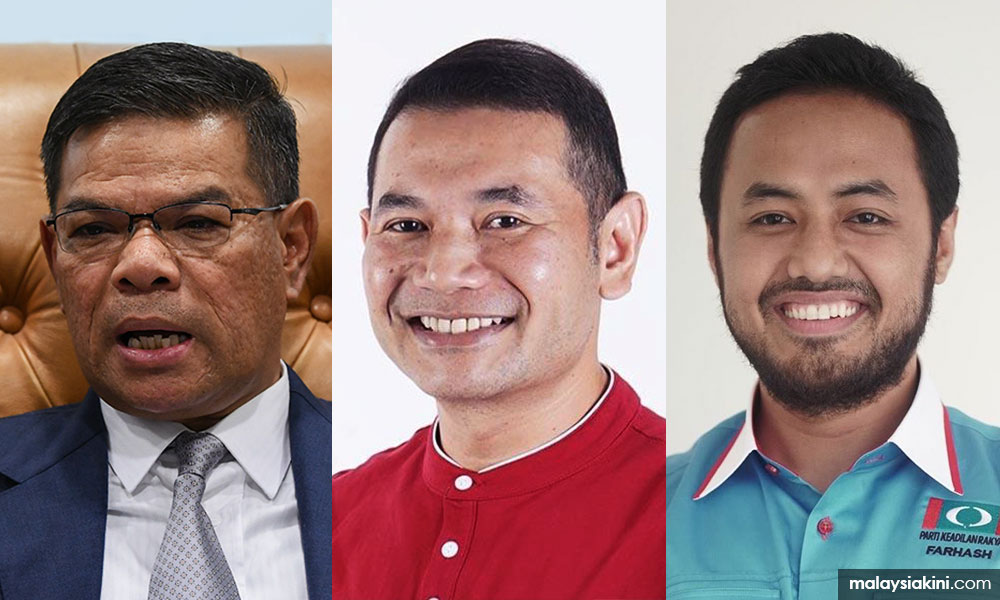
Former Pandan MP Rafizi Ramli has announced his political return and will again seek to be elected as the PKR deputy president.
In a lengthy statement today, Rafizi said his goals were to pursue progressive multi-ethnic politics...
Former Pandan MP Rafizi Ramli has announced his political return and will again seek to be elected as the PKR deputy president.
In a lengthy statement today, Rafizi said his goals were to pursue progressive multi-ethnic politics.
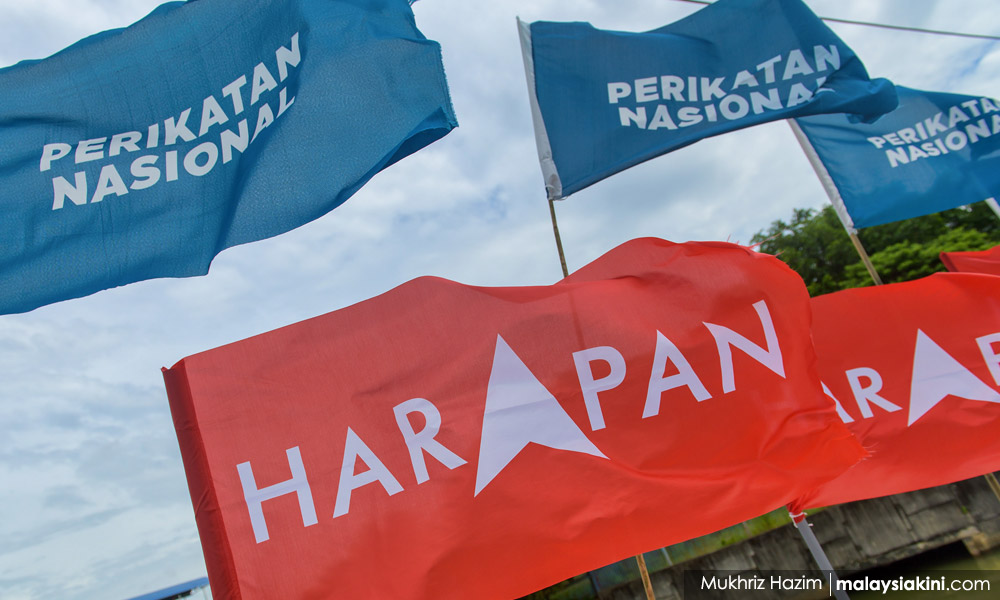
"After the Johor election, I realised that PKR and Pakatan Harapan had become the third choice behind BN-Umno and Perikatan Nasional (PN).
"The latest developments suggest that progressive multi-ethnic politics is in danger if PKR and Harapan continue to be the third choice because of the failure in attracting fence-sitters," he added.
Nominations are expected to be held next month while the party election will take place in May.
Rafizi became politically inactive after the PKR leadership election in late 2018, which saw him narrowly losing to Azmin Ali in the race to be PKR deputy president.
Prior to his withdrawal from active politics, Rafizi was seen as an influential figure in PKR and regarded as one of PKR president Anwar Ibrahim's closest advisers.

He was also well-known for exposing several scandals linked to the previous BN government, which landed him in court.
Previously, Rafizi remarked that he had to ensure it was worth returning to politics as PKR and its allies might not be receptive to his “radical” approach and ideas upon his return.
Voice of minority
Rafizi also claimed he had been expressing his opinions as far back as 2019 but was treated like a minority among PKR’s leadership.
“Since 2019, I have voiced out my disagreement with the madness of forming a coalition (with anyone regardless of the sentiments of the rakyat) in order to gain power.
“My voice is the voice of the minority among the PKR leadership, what more among Harapan,” he said.
Following the losses suffered in the recent Johor election, the 'big tent' approach of uniting all opposition parties has been discussed by Harapan politicians.
Rafizi said if the coalition’s leadership believes in tactics that involve switching the allegiances of any willing MP to bring back the Harapan administration, he is 'overjoyed but unwilling to be involved'.
“Unfortunately, from one ‘tent’ to another, the obsession with this political strategy of (forming coalitions) is further alienating PKR and Harapan from the people.
“Today we criticise but then tomorrow we date the people we criticise. Over time, the rakyat will feel this is all just a drama from (P Ramlee’s film) Keluarga 69.
“Moreover, when too much focus is given to forming coalitions, efforts to alleviate the rakyat’s suffering and offer solutions are forgotten,” he added.
Same old strategy
The former Pandan MP also alluded to alleged talks between Harapan and PN on the possibility of working together in the upcoming 15th general election (GE15).
“Every time PKR and Harapan lose, apart from blaming each other, there has yet to be a different strategy to regain public support.
“Among the strategy often repeated is the ‘big tent’ approach that is used to unite all parties running against Umno/BN.
“I was informed that the Harapan presidential council has agreed to take the approach of discussing with PN on the possibility of working together for the general election,” Rafizi said.
Political fatigue
He contended that the reason why PKR and Harapan had secured victory in GE14 was that the issues raised by the coalition resonated well with the rakyat.
"The rakyat understood the impact of former premier Najib Abdul Razak's administration on their daily lives and future at the time.
"The people were also attracted to the solutions brought forward to solve the economic problems," he said.
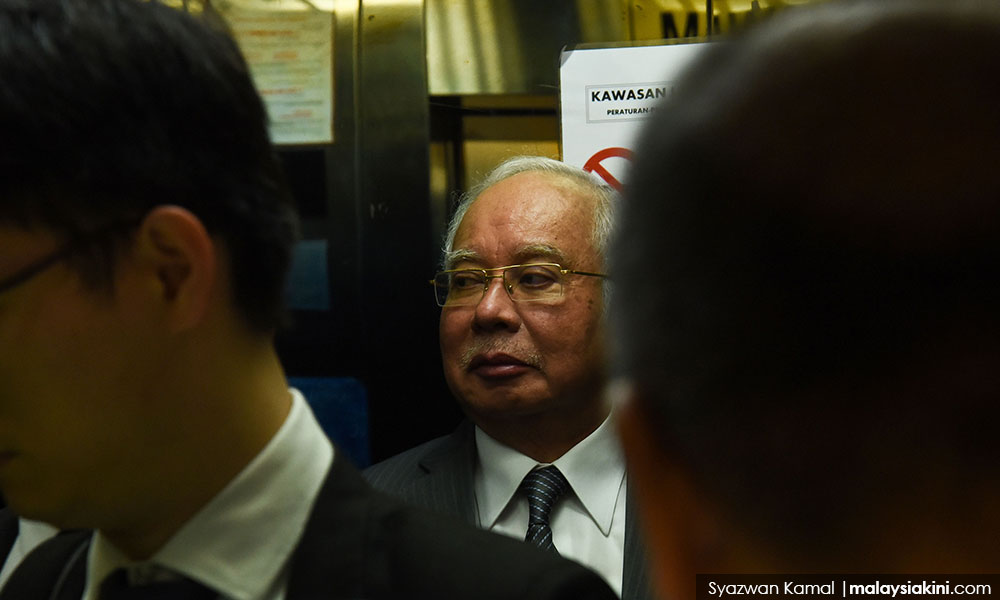
He added that the series of events following GE14 convinced some voters - especially those sitting on the fence - that the political squabbling on the country's leadership revolved around the distribution of power among politicians.
Now, the belief that Harapan is not significantly different from BN has resulted in political fatigue among voters - which Rafizi believes is why the latter has been able to win big electorally, despite support at the ballot boxes not changing much from 2018.
Rafizi's statement came not long after the disappointing performance by PKR and Harapan in last weekend’s Johor polls.
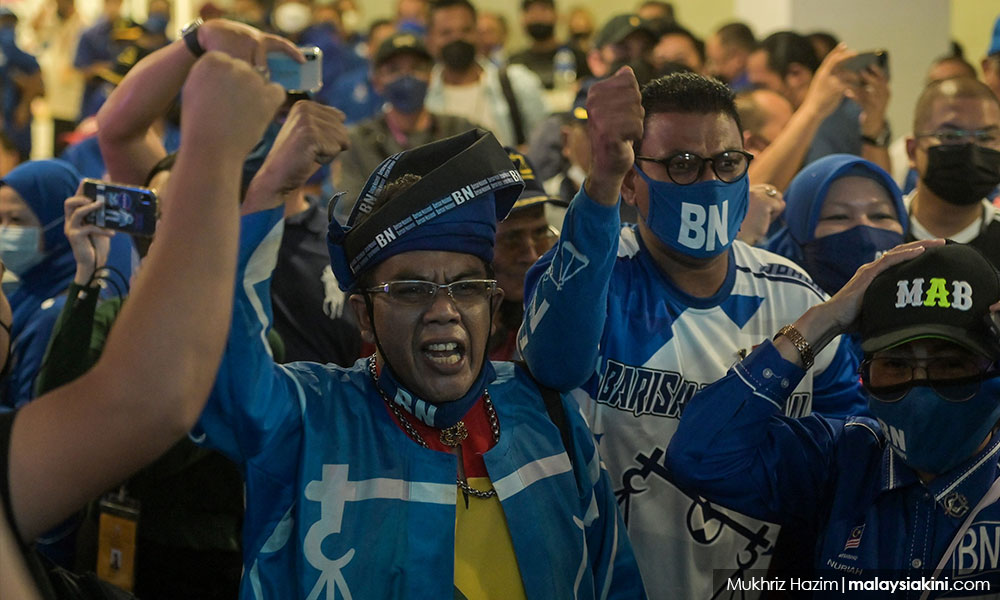
BN secured a landslide victory in the state election, winning 40 out of the 56 seats - with PN winning three while Muda secured one.
Harapan took 12 seats while individually, PKR had secured the sole seat of Bukit Batu.
The opposition’s poor showing was in part attributed to the low turnout rate as well as the disunity among them.
In 35 out of 56 seats, the combined votes of Harapan and PN exceeded BN’s.




Report this comment
Are you sure you want to delete this comment?
This action cannot be undone.