


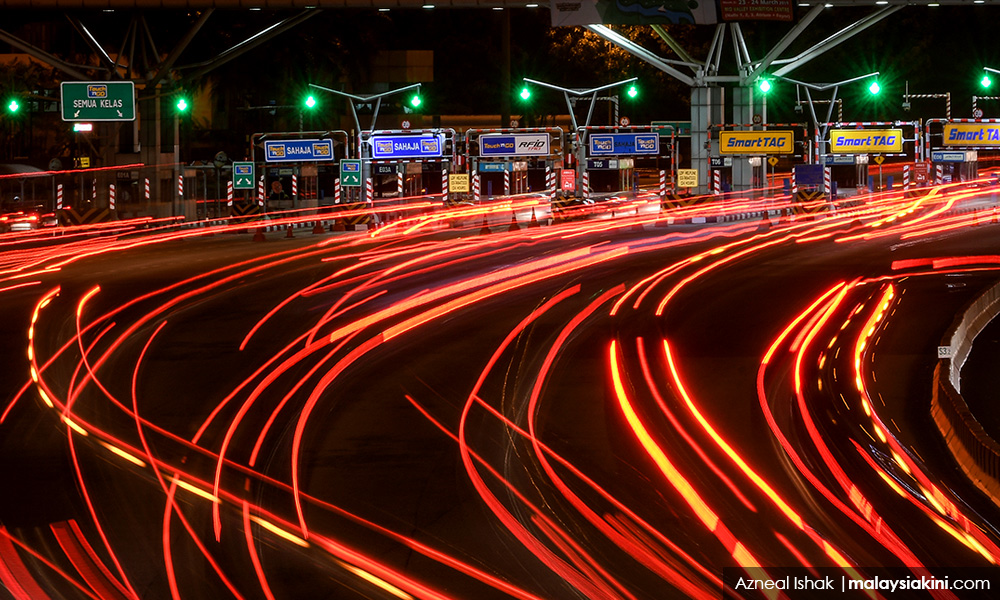

KINIGUIDE | Who is ALR, how will it take over 4 Klang Valley highways?
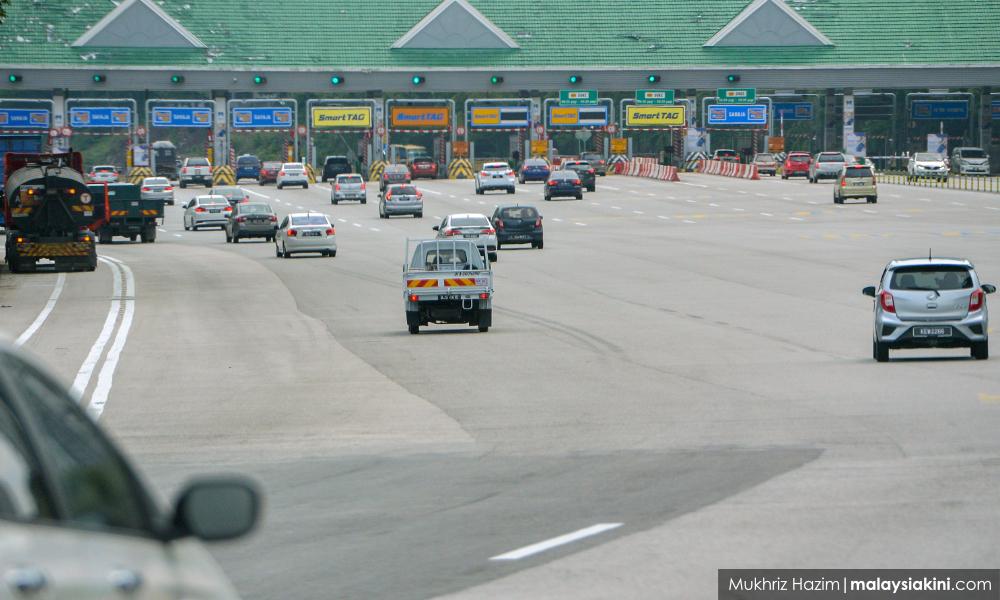
In this restructuring, private firm Amanat Lebuhraya Rakyat Bhd (ALR Bhd) offered to buy concessions for the Shah Alam Expressway (Kesas), Western Kuala Lumpur Traffic Dispersal System (Sprint Highway), Damansara-Puchong Expressway (LDP), and Stormwater Management and Road Tunnel (Smart).
While news of a takeover of four key Klang Valley highways was long-anticipated, details remain scant.
KINIGUIDE | Yesterday, the government announced that toll rates at four key Klang Valley highways would remain, thanks to a restructuring of highway concessions.
In this restructuring, private firm Amanat Lebuhraya Rakyat Bhd (ALR Bhd) offered to buy concessions for the Shah Alam Expressway (Kesas), Western Kuala Lumpur Traffic Dispersal System (Sprint Highway), Damansara-Puchong Expressway (LDP), and Stormwater Management and Road Tunnel (Smart).
While news of a takeover of four key Klang Valley highways was long-anticipated, details remain scant.
Here's what we know and don't know about the takeover and the company behind it.
What is ALR Bhd?
In an announcement by Gamuda Bhd, which owned the four highway concessions, ALR Bhd is described as a "not for profit" firm with a "mandate from the government" to take over the highways and eventually return them to the government.
ALR Bhd was formed in December 2021 with "the sole purpose of undertaking the business of a holding company of highway concessions", its website states.
To note, being not for profit means its owners will not receive dividends. However, management and board fees are paid as part of operating expenses.
Who is ALR Bhd?
According to Companies Commission documents, the company is an entirely private entity. The government does not own a single share in the firm.
It is jointly owned by the following individuals who own 1,000 shares each and sit on the board of directors.
- Idrose Mohamed
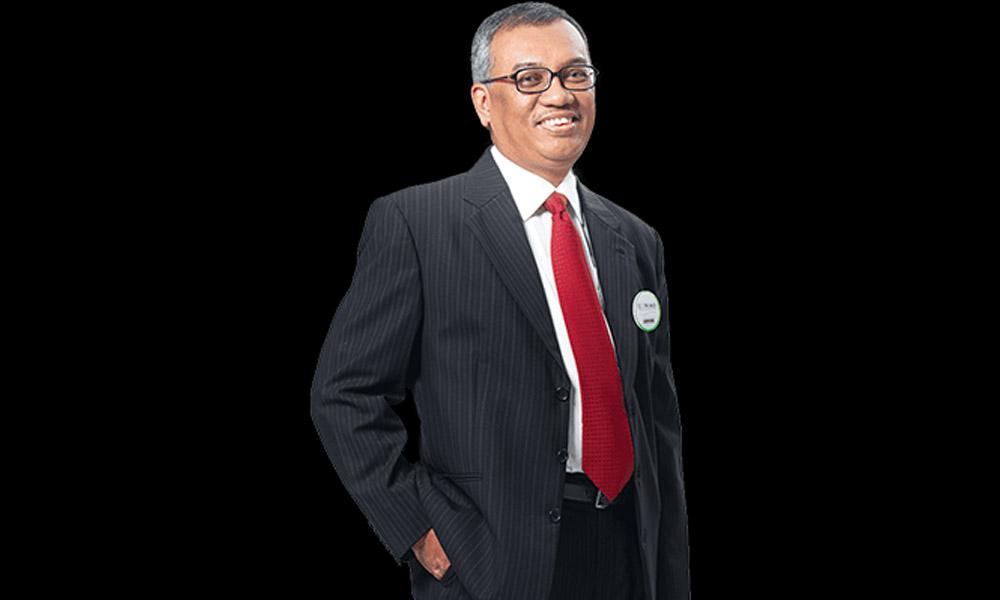
A familiar name in the corporate world, Idrose headed companies like Plus Expressway Bhd, Pos Malaysia Bhd, and Prasarana Malaysia Bhd.
- Mohamed Sharil Mohamed Tarmizi
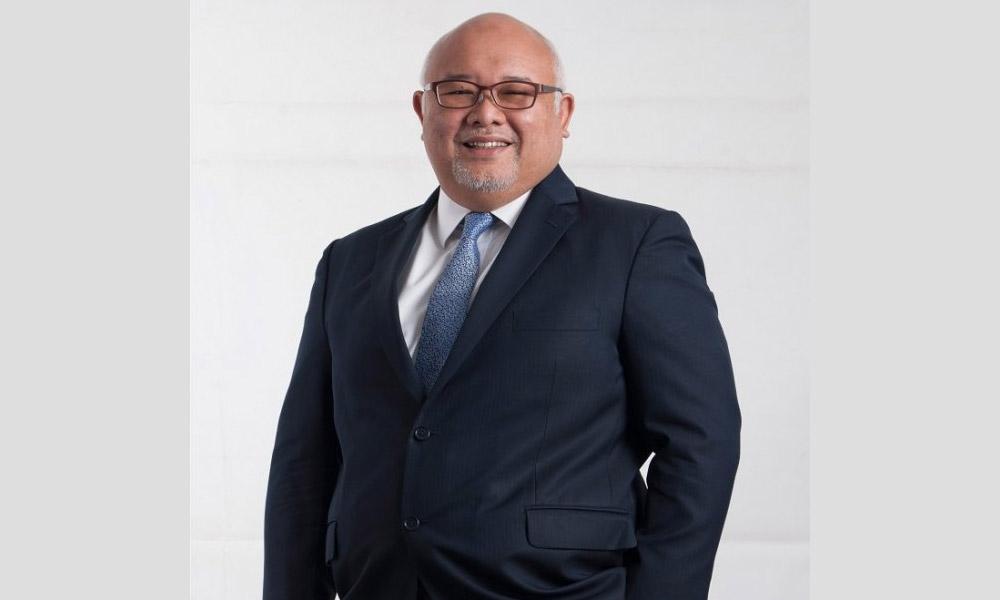
The former Malaysian Communications and Multimedia Commission (MCMC) chief executive sits on various boards of technology companies, and is a director of Pos Malaysia Bhd and Digital Nasional Bhd (DNB), the firm tasked to undertake the deployment of 5G infrastructure nationwide.
- Nirmala Menon
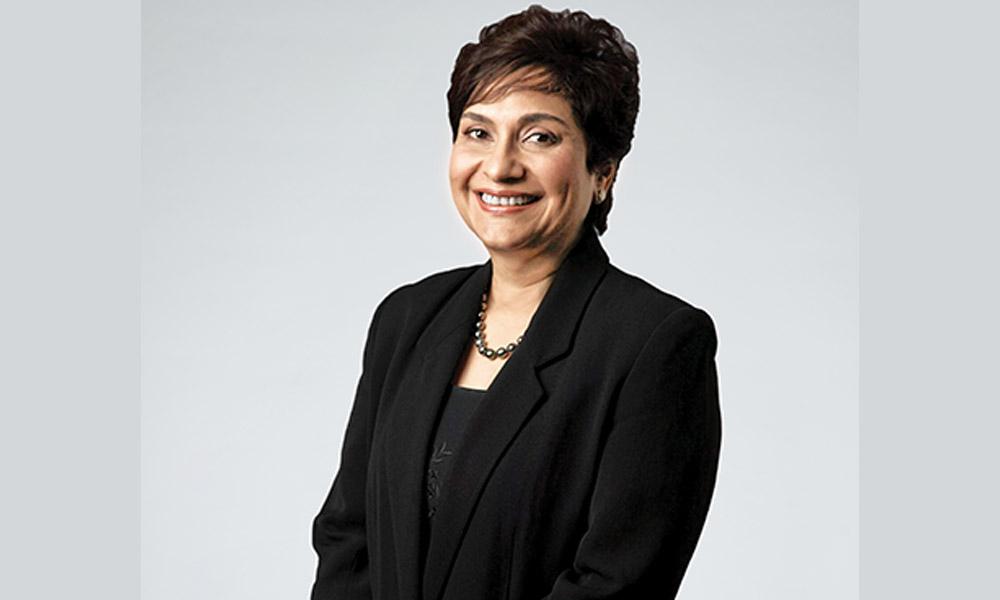
A former chief executive at insurance firm ING Malaysia Bhd, she was on the board of Khazanah Nasional Bhd and is currently director of Bank Negara Malaysia, Sime Darby Bhd, and Aviva Singlife Singapore.
- Soam Heng Choon
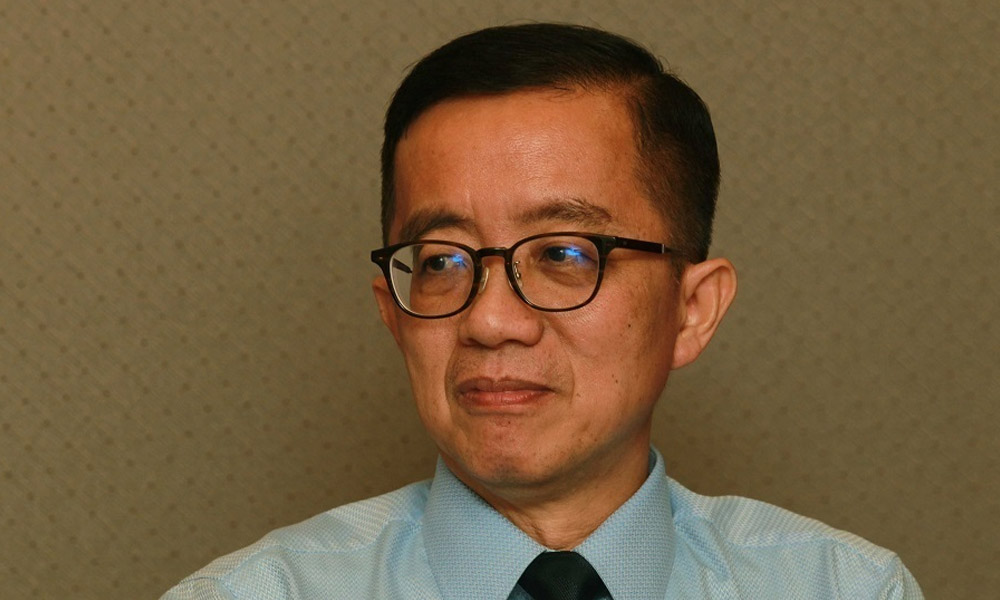
He was chief executive at IJM Corporation Bhd and is currently president of the Real Estate and Housing Developers' Association (Rehda).
- Azlan Mohd Zainol
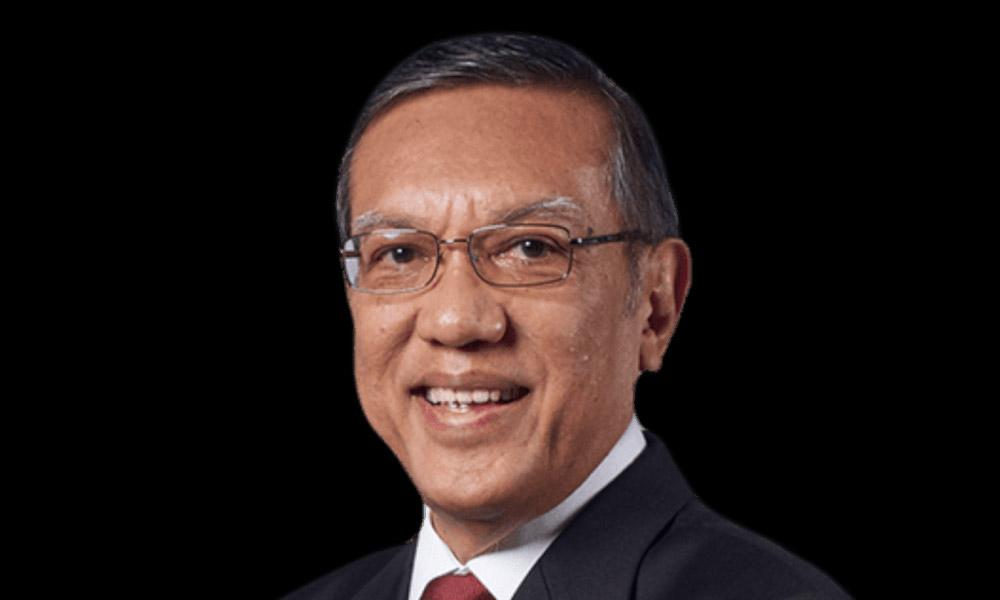
The chairperson of the ALR Bhd board, Azlan is a known figure in the banking industry where he served as chairperson of RHB Bank Bhd for 16 years. He was also chief executive of the Employees Provident Fund (EPF) and is now chairperson of property developer Eco World International Bhd, among others.
So how does this takeover work?
ALR Bhd, on its website, said it would take over the four concessions, put them all under one concession, and manage the highways at the existing toll rates.
All money made will go to covering operating expenses and paying off the debt ALR Bhd incurred to fund the takeover.
Once the debts have been paid in full, ALR Bhd will return the highways to the government.
How much is ALR Bhd paying to acquire the highway concessions and how is it funded?
The firm offered to buy Kesas for RM1.24 billion, Sprint for RM1.808 billion, Smart for RM313 million, and Litrak (and in turn the LDP) for RM2.119 billion. This amounts to RM5.48 billion.
The takeover will be funded through sukuk, a form of Islamic bond, ALR Bhd said on its website.
It simply said that if more vehicles use the highways, the sooner the debt is redeemed, and the sooner it can transfer the concessions to the government.
This means an extension of the concession period is likely.
The Sprint Expressway has three toll stops, with the concession ending between 2031 and 2034. The Kesas concession ends in 2028, while that for the LDP ends on Aug 15, 2030. Meanwhile, the Smart tunnel has the longest remaining concession period until 2042.
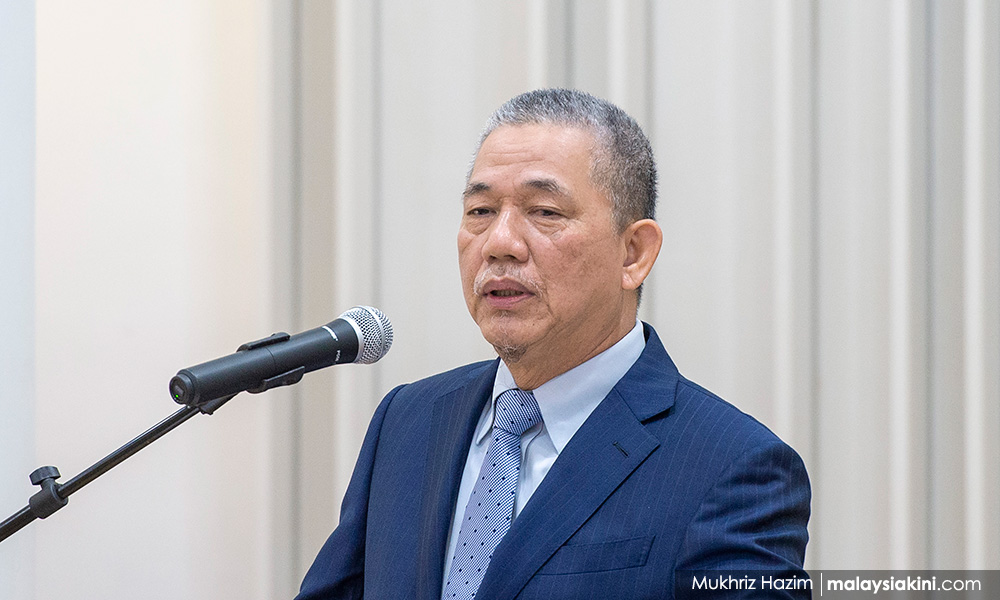
Works Minister Fadillah Yusof said Smart's concession may be shortened but did not provide details.
He also said the government is not guaranteeing ALR's financing.
How does this differ from the current concessionaire arrangement?
In the existing arrangement, highway concessionaires are guaranteed a review of toll rates every five to seven years, depending on the concession agreement.
Therefore, to avoid toll hikes, the government had to pay compensation in lieu each year.
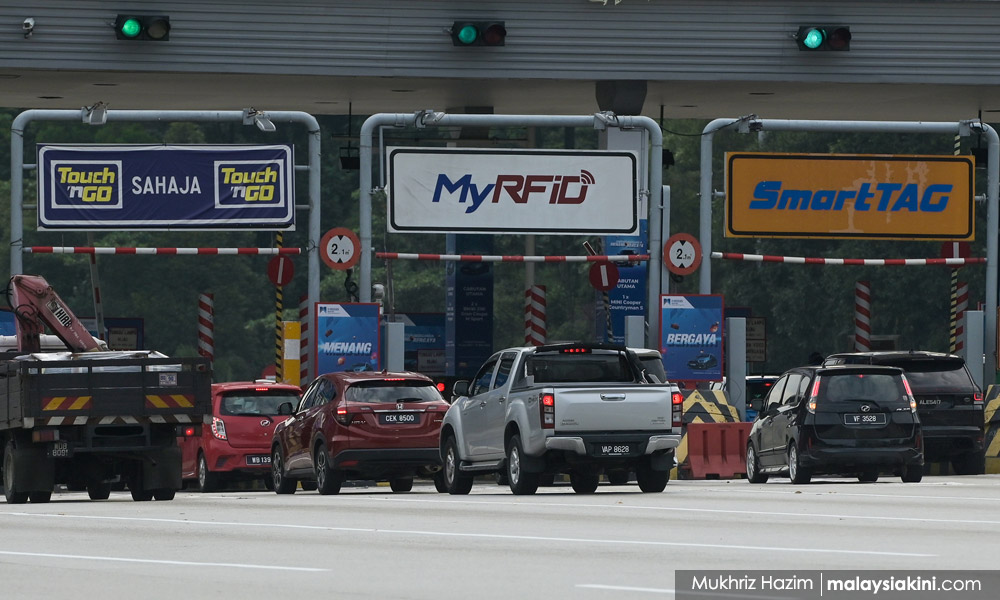
Prime Minister Ismail Sabri Yaakob said that by moving the concessions to ALR Bhd under this new arrangement, the government will save RM4.3 billion in compensation, which was to be paid from Jan 1 this year until the end of the concession agreements.
How does this differ from the Pakatan Harapan proposal to take over the same four highways?
Fadillah said the earlier plan was for the government to take over the highways itself, but this would have cost taxpayers RM6 billion.
In 2019, it was reported that among proposed takeover models involved the government funding it directly through selling bonds.
In this new arrangement, the minister said, the government does not pay a single sen.
The Harapan presidential council said its plan involved initiating discounts of up to 30 percent on the four highways for 16 hours a day and reducing toll rates on the North-South Highway (Plus) by 18 percent.
In this new arrangement, the toll rates remain.
How was ALR selected to undertake this venture?
Neither the government announcement nor the ALR website states how the selection was done.
Malaysiakini has contacted ALR for an interview for more details and has sought more information from Fadillah.
Could there be more takeovers in this model for other highway concessions in the future?
This is likely.
“The government welcomes the private sector to come forward with such terms, where concession companies will hand back highways to the government once they have settled their debts. This will be a relief to the people.
“… there will be negotiations on restructuring involving other highway concessions after this,” Fadhillah was reported as saying by Bernama.


Report this comment
Are you sure you want to delete this comment?
This action cannot be undone.