


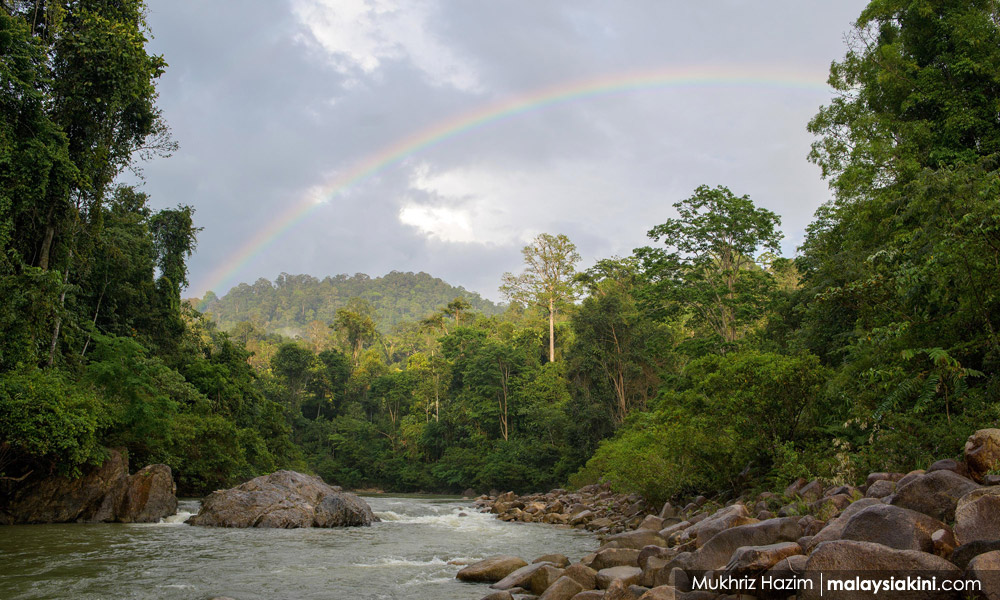

PHOTO ESSAY | Heading upstream
PHOTO ESSAY | The world celebrated Earth Day last Friday, April 22. At the same time, Malaysia was hit with reports that forests in Peninsular Malaysia would see deforestation of up to 72,584.73ha, roughly the size of Singapore, in the near future.
Environmental group Rimba Disclosure Project (RDP) alleged that Pahang had put up the largest forest area for sale in the peninsula in 2021, at 27,900ha.
The concerns were due to...
PHOTO ESSAY | The world celebrated Earth Day last Friday, April 22. At the same time, Malaysia was hit with reports that forests in Peninsular Malaysia would see deforestation of up to 72,584.73ha, roughly the size of Singapore, in the near future.
Environmental group Rimba Disclosure Project (RDP) alleged that Pahang had put up the largest forest area for sale in the peninsula in 2021, at 27,900ha.
The concerns were due to Pahang having the largest forest reserve in Peninsular Malaysia, amounting to 1.6 million hectares at present.
Moreover, the Pahang National Park has the largest area of 2,477km2, followed by Kelantan National Park with 1,043km2 and Terengganu National Park with 853km2.
Taman Negara, located at the border of Pahang, Terengganu and Kelantan, was established in 1939 under the Taman Negara Enactment (Pahang) No 2 and Taman Negara Enactment (Terengganu) No 6 as well as earlier in 1938 in Taman Negara Enactment (Kelantan) No 14.
Initially, British engineer Theodore Hubback had lobbied the sultans of Pahang, Terengganu and Kelantan to gazette the land at the edge of the states’ borders as the King George V National Park.
After Malaysia gained independence, it was renamed Taman Negara, which would then be supervised by the Department of Wildlife and National Parks Peninsular Malaysia (Perhilitan).
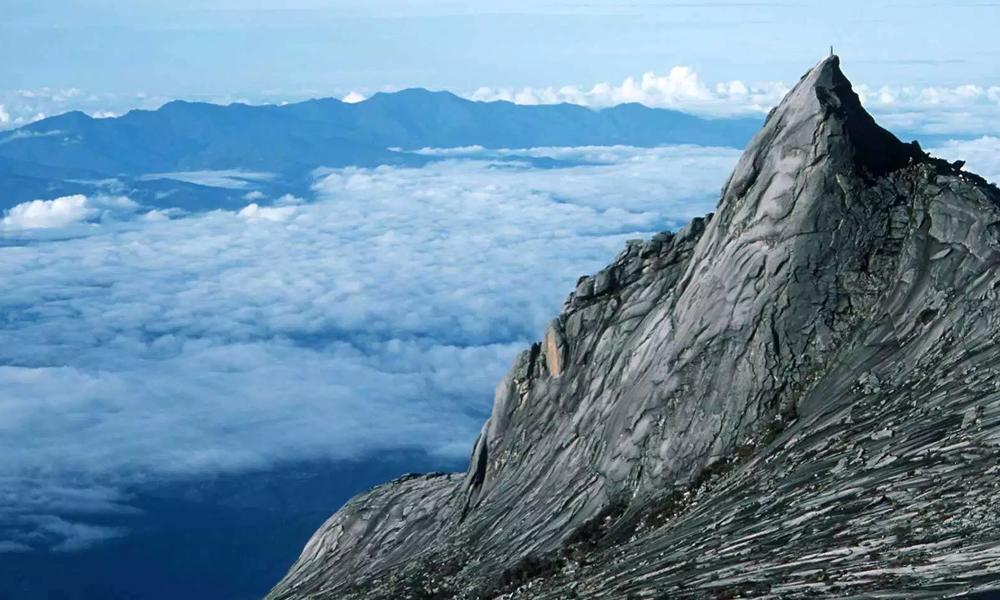
Apart from its main attraction Gunung Tahan, the highest point in Peninsular Malaysia, Taman Negara also boasts a 130 million-year-old tropical forest, rich with flora and fauna biodiversity, as well as an undisturbed river ecosystem.
The Ulu Tembeling district which bordered Taman Negara is also a traditional settlement, hosting several Malay villages in Kg Pagi, Kg Kuala Sat, Kg Bantal, Kg Mat Daling, Kg Gusai and Kg Sungai Kucing (Orang Asli of the Semoq Beri tribe). The villagers have a unique connection with nature.
According to its history, Sungai Sepia in Ulu Tembeling was one of Hubback’s routes where he frequently hunted Seladang (also known as gaur, a species of bison) and elephants, up until the Kenyir forest in Terengganu.
This was before Hubback reached old age in the late 1930s when he joined an environmental conservation campaign through his involvement in the establishment of Taman Negara.
Hubback even wrote of his hunting experiences in a book entitled ‘Elephant and Seladang Hunting in the Federated Malay States Hubback’ published in 1905, in London.
The river and forest route in Ulu Tembeling was also one of the trails of famous Pahang warrior, Mat Kilau.
According to a book on Pahang’s history, written by Haji Buyong Adil, there was an ancient kingdom on the border of the state, known as Temberalinga, said to have existed in the early first century.
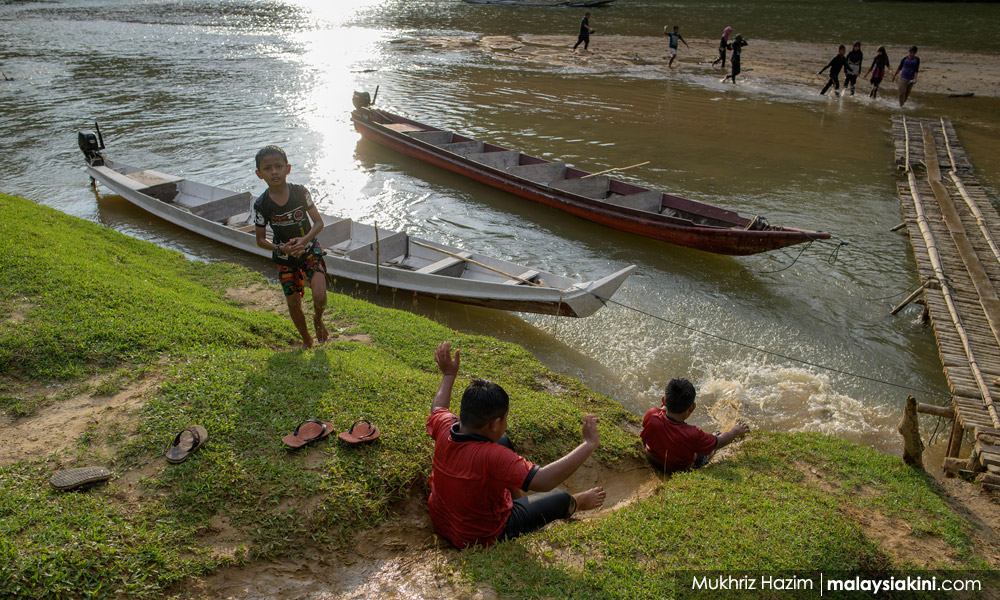
Sungai Sepia is the main route for villagers of Kg Gusai to go to the local town to buy goods or conduct business in Kg Bantal which houses facilities such as health clinics.
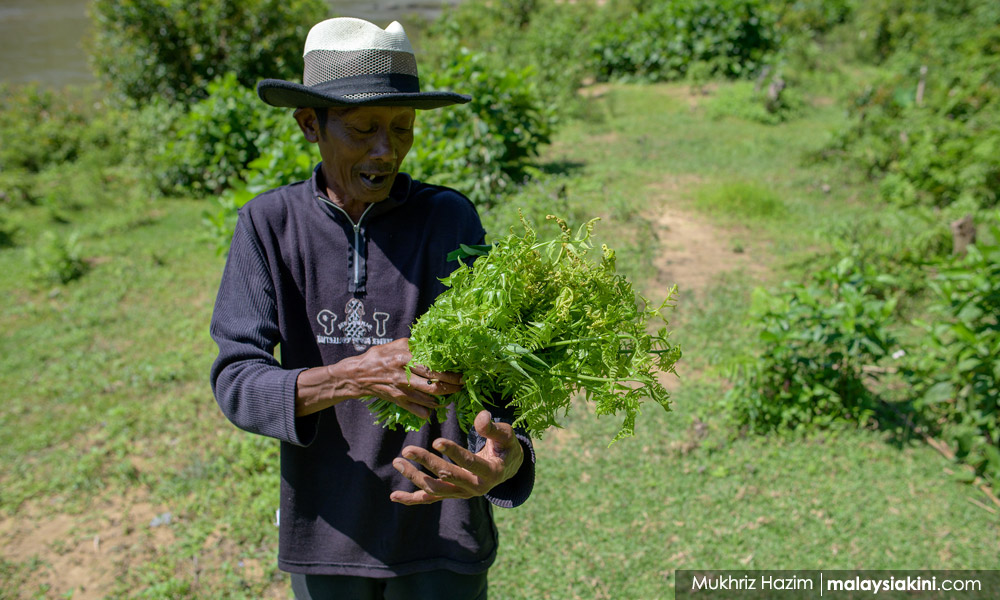
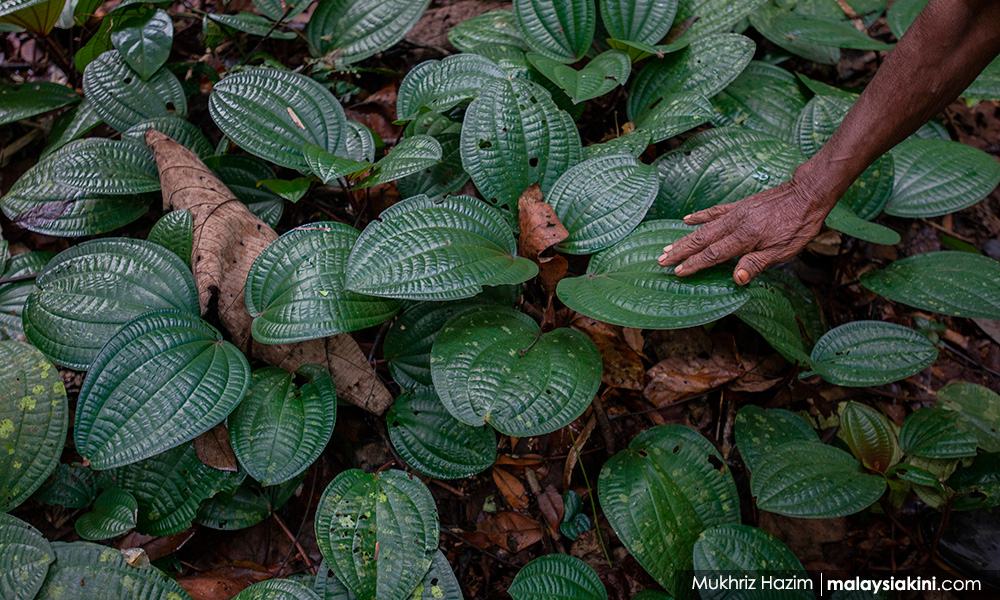
Villagers here are very knowledgeable about edible forest plants and medicinal herbs.
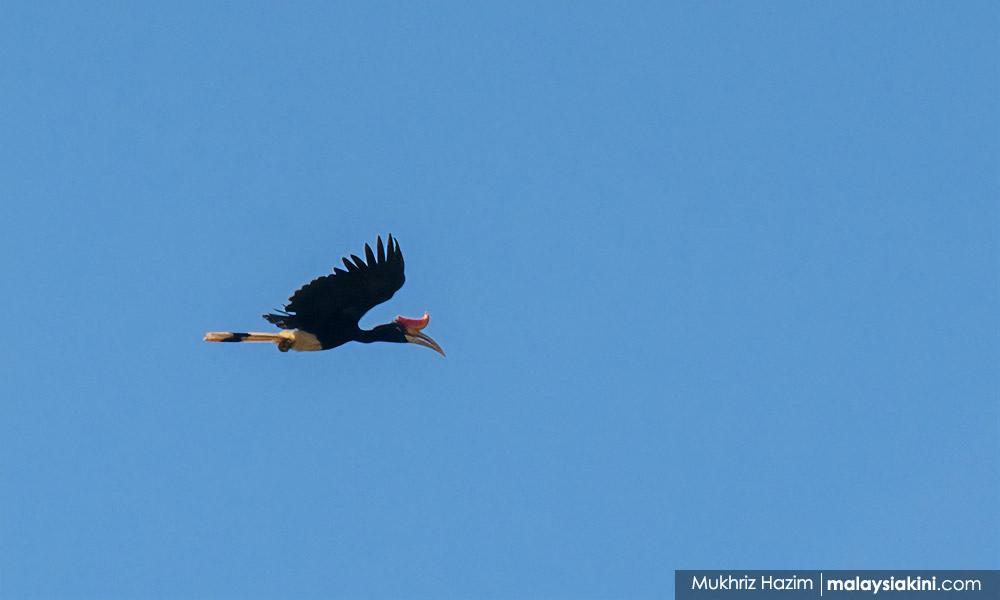
Rhinoceros hornbills are one of the largest birds in Asian rainforests and spend their entire lives on the tops of forest trees.
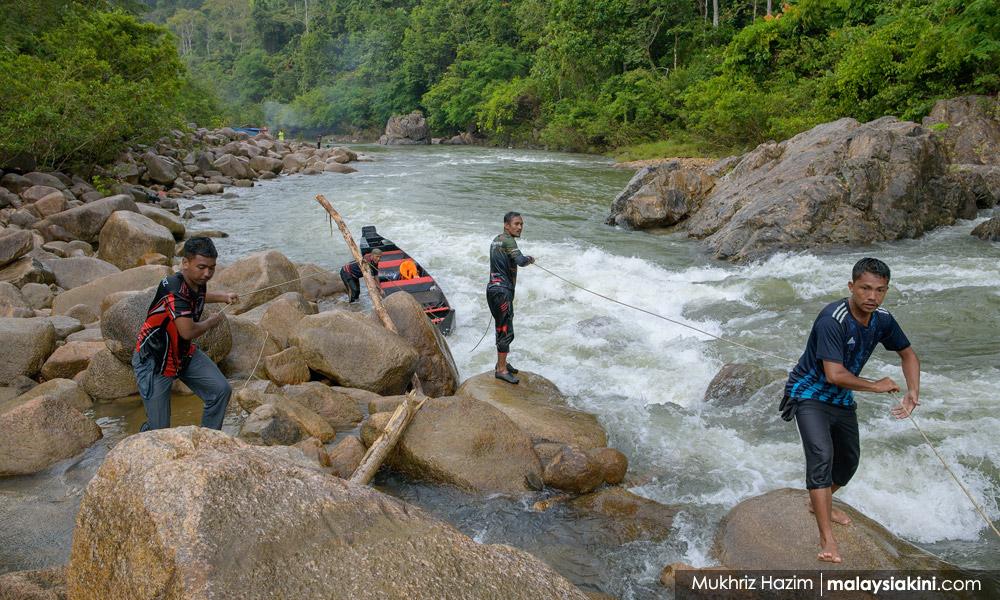
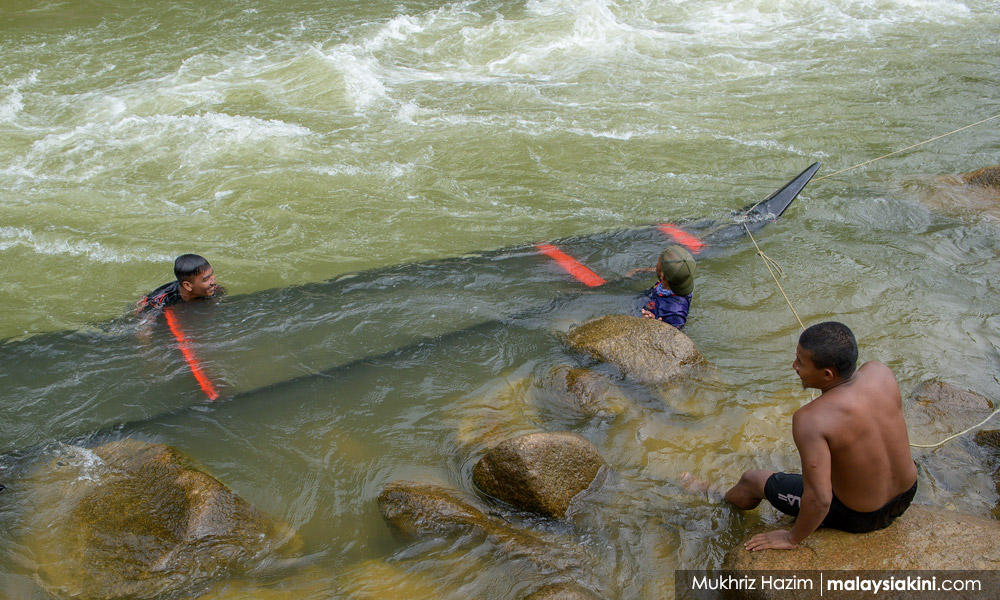
Jeram Perahu got its name because there have been many boat sinking incidents in the past.
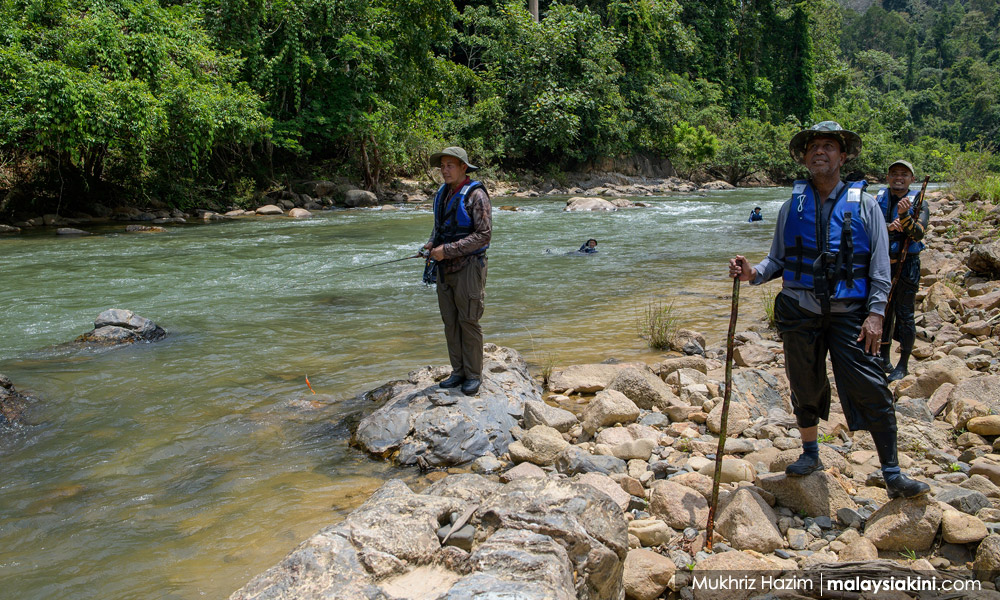
Avid fishers are willing to spend thousands of ringgit on travel costs to be able to fish for one of the most expensive freshwater fishes, kelah.
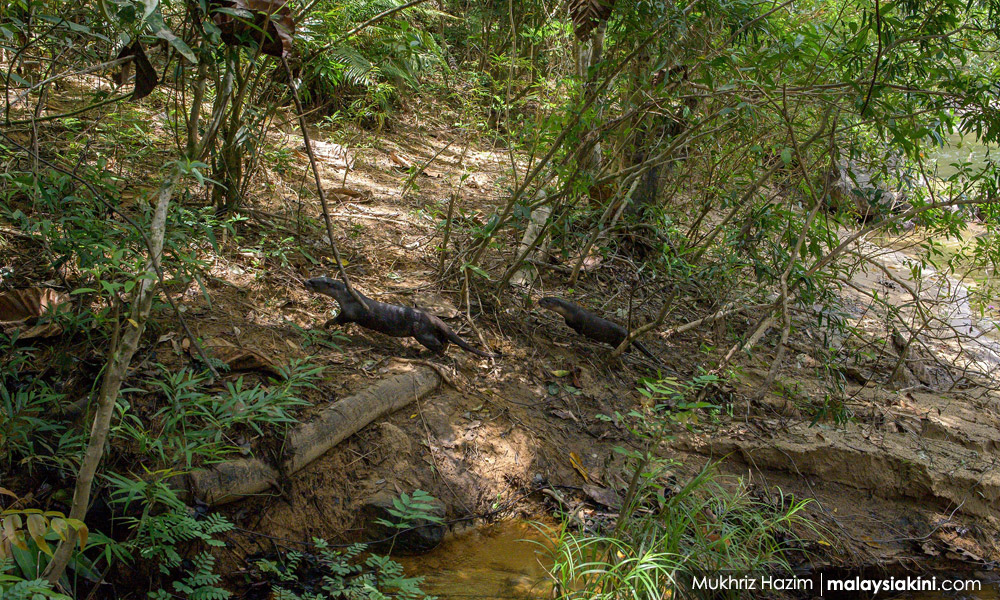
It was reported in 2013 that hairy-nosed otters (Lutra sumatrana) were rediscovered in Taman Negara after being undetected since 1996. It is the least studied endemic species and the rarest amongst the 13 otter species in the world.
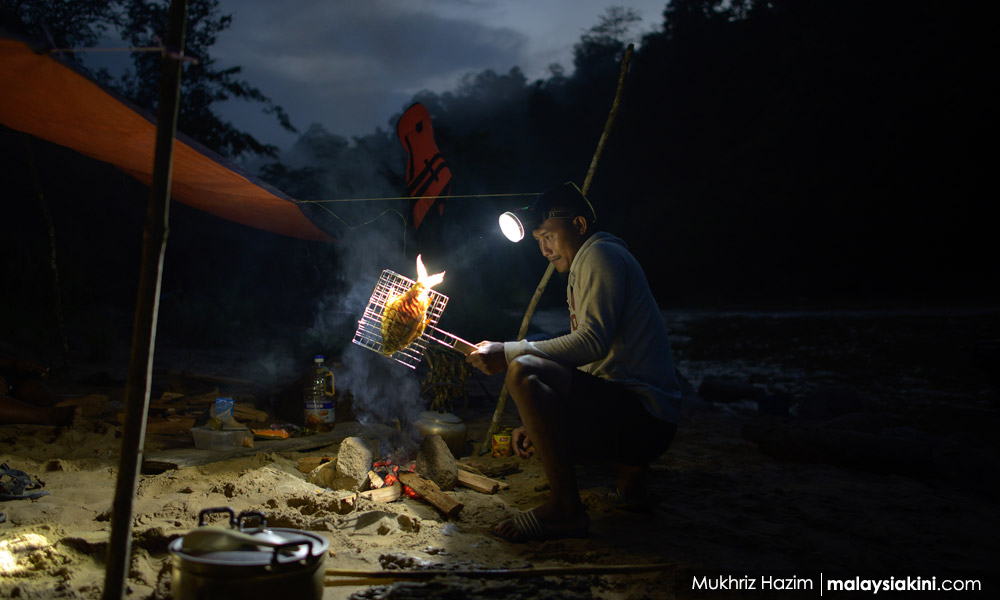
The freshness and cleanliness of the river water are said to add to the deliciousness of the fish here.
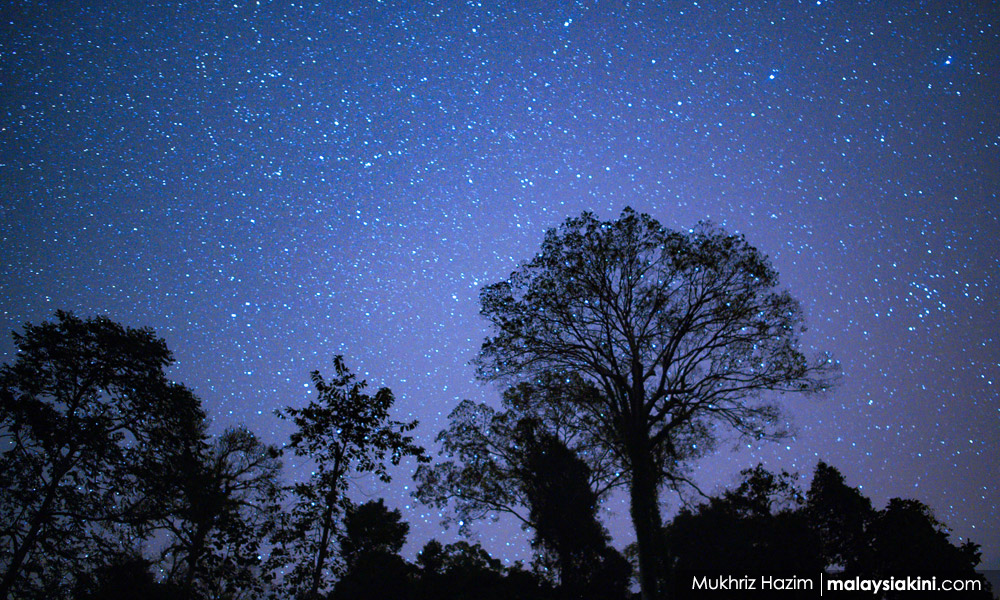
The image above captured by a camera can also be seen by the naked eye due to zero light pollution in the area.
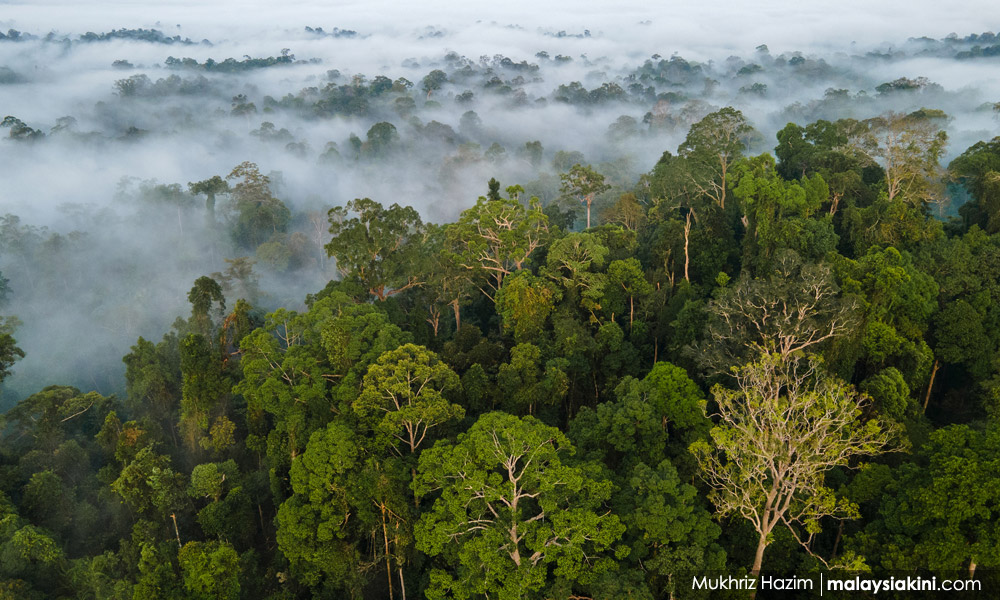
Looking at the beauty of Taman Negara’s legally protected ecosystem, efforts to conserve degraded forests and rivers as well as the polluted environment must continue.
Hopefully, at some point, the quality of the environment across Malaysia would be comparable to Taman Negara’s, with its fresh air, lush green trees, clear rivers, sustainable habitat, and most importantly, without pollution.





Are you sure you want to delete this comment?
This action cannot be undone.