



After Marcos Jr’s triumph, Kit Siang warns of ‘golden era’ revisionism
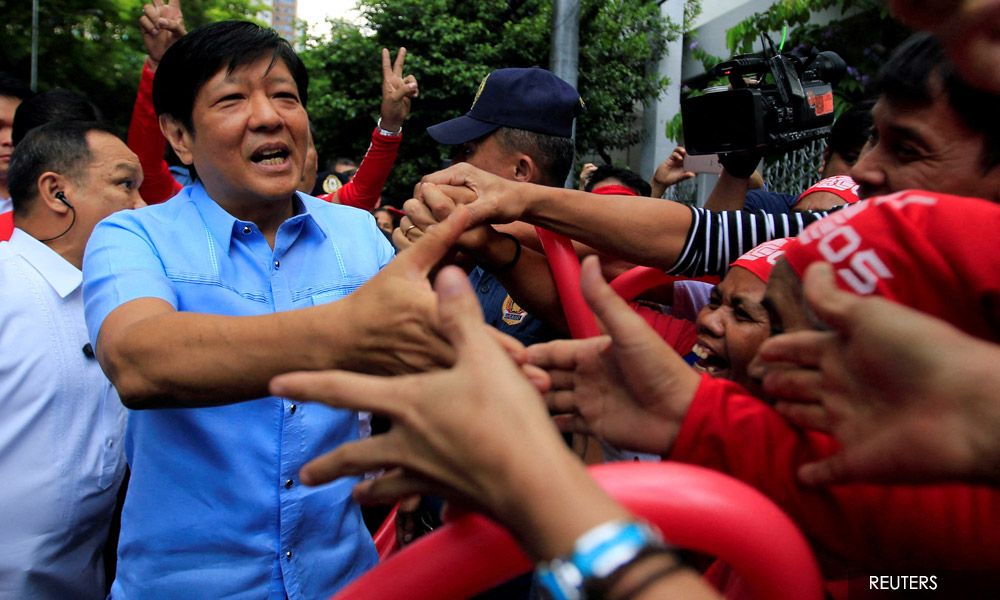
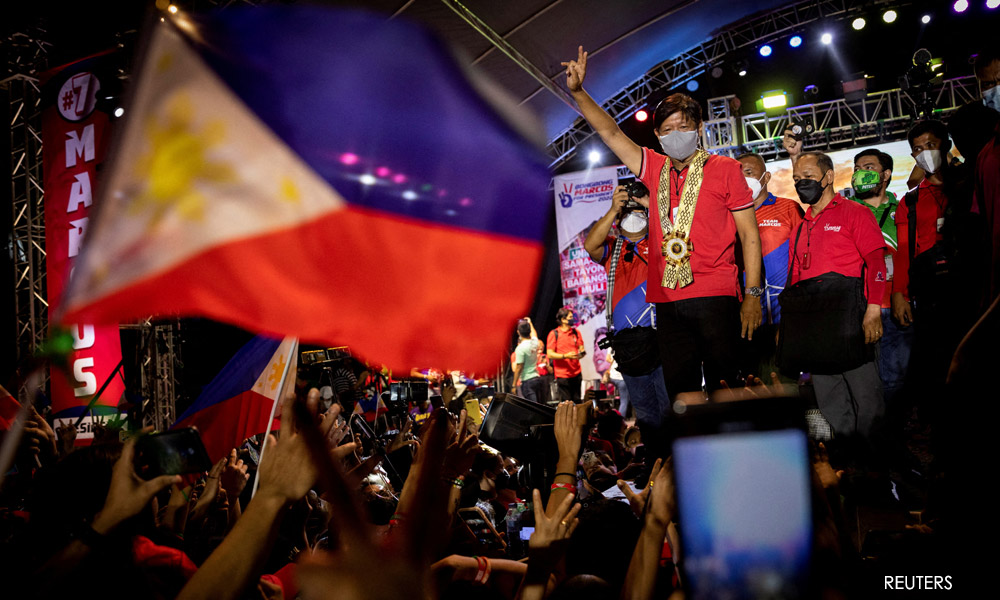
Ferdinand Marcos Jr’ triumph in the Philippines presidential election proves that social media disinformation and lies can whitewash the past, said DAP veteran Lim Kit Siang.
Lim cautioned a similar scenario could unfold in Malaysia, facilitating the return of tainted leaders such as former prime minister Najib Abdul Razak to power.
Since his defeat in the 14th general election...
Ferdinand Marcos Jr’ triumph in the Philippines presidential election proves that social media disinformation and lies can whitewash the past, said DAP veteran Lim Kit Siang.
Lim cautioned a similar scenario could unfold in Malaysia, facilitating the return of tainted leaders such as former prime minister Najib Abdul Razak to power.
Since his defeat in the 14th general election, Pekan MP Najib has utilised social media to remain a potent political force despite his conviction over the 1MDB scandal.
Much to the chagrin of his political rivals and detractors, Najib continues to draw large crowds at his events.
Against this backdrop, Lim said Malaysians have a mountain to climb to convince the world that it is not the Philippines.
“And that Malaysians will not regard the last decade as a ‘golden era’ when the nation was condemned worldwide as a kleptocracy – as the 15th general election, whenever it is held, is less than a year away.
“Could Malaysia prove that we are not the Philippines where social media disinformation and internet lies could ‘whitewash’ the kleptocracy and abuses of power of the last decade and turn it into a ‘golden era’ for Malaysia?
“These are serious thoughts for Malaysians who love the country,” he added in a statement this afternoon.
Divisive contest
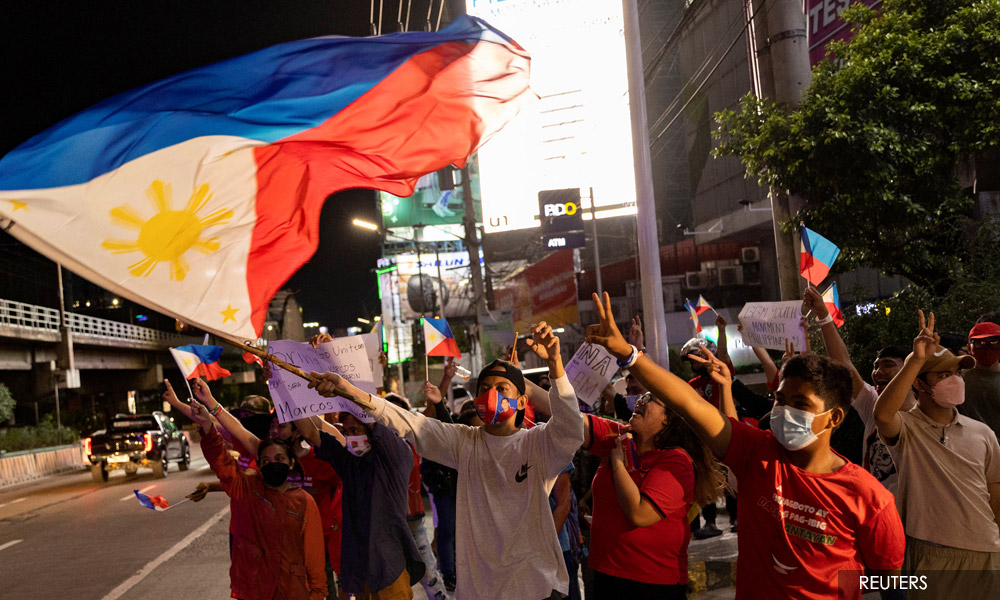
Lim noted that the election in the Philippines was a divisive contest as survivors of Marcos Sr’s brutal regime are horrified that atrocities, where thousands of political opponents had been tortured, arrested and disappeared under his rule, while as much as US$10 billion was plundered, could be whitewashed.
Critics have also argued that Marcos Jr did not present any real policy platform and had campaigned on a simple but ambiguous message of unity.
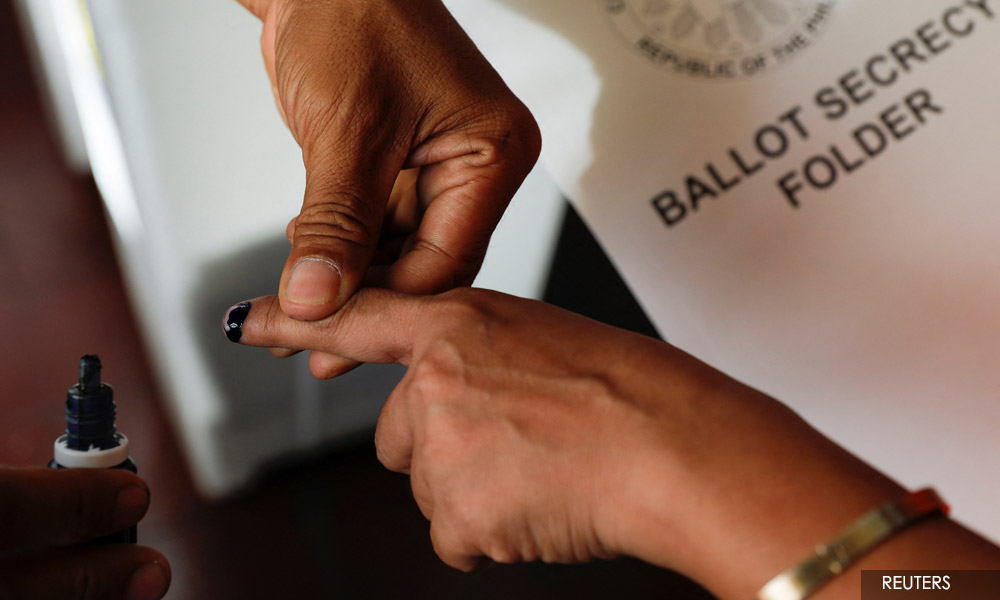
He was also criticised for skipping presidential debates and making few media appearances during the campaign, enabling him to limit scrutiny and control his message via a network of influencers and bloggers granted broad access to his events.
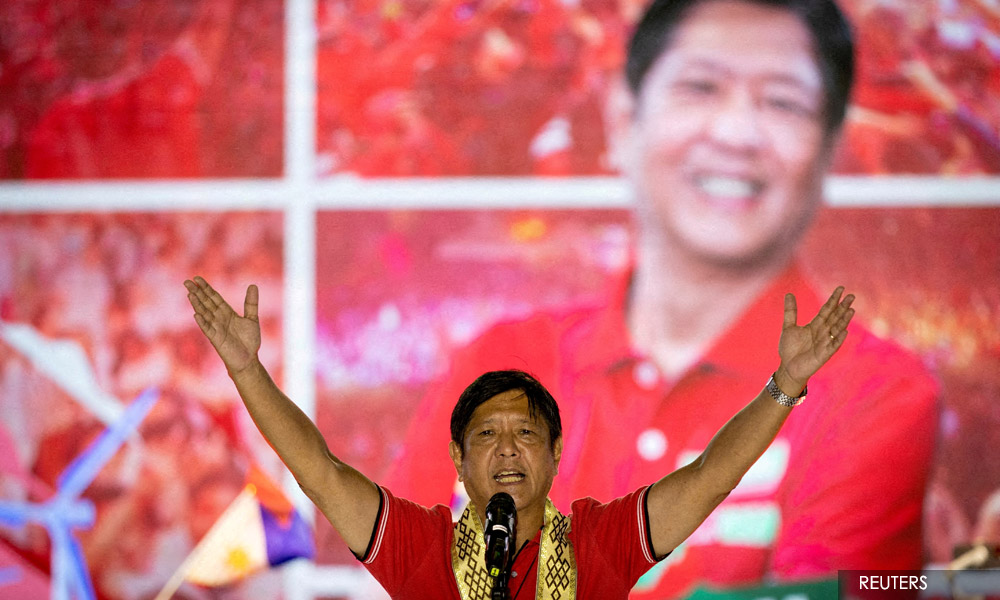
His social media campaign was aimed at younger Filipinos born after the People Power revolution in 1986 and contained misinformation challenging historical accounts of the Marcos martial law era.
The violent Marcos era is being recast as a period of strong economic growth and infrastructure projects.


Are you sure you want to delete this comment?
This action cannot be undone.