


/file/1187/22b6027c2a234aeceee2133d2c3972a7.jpeg)

KINIGUIDE | OPR rising and how it can affect your wallet
KINIGUIDE | Every few months, banks, financial research houses and business publications will speculate about the Overnight Policy Rate (OPR), and this is followed by Bank Negara Malaysia's statement of any changes to the rate.
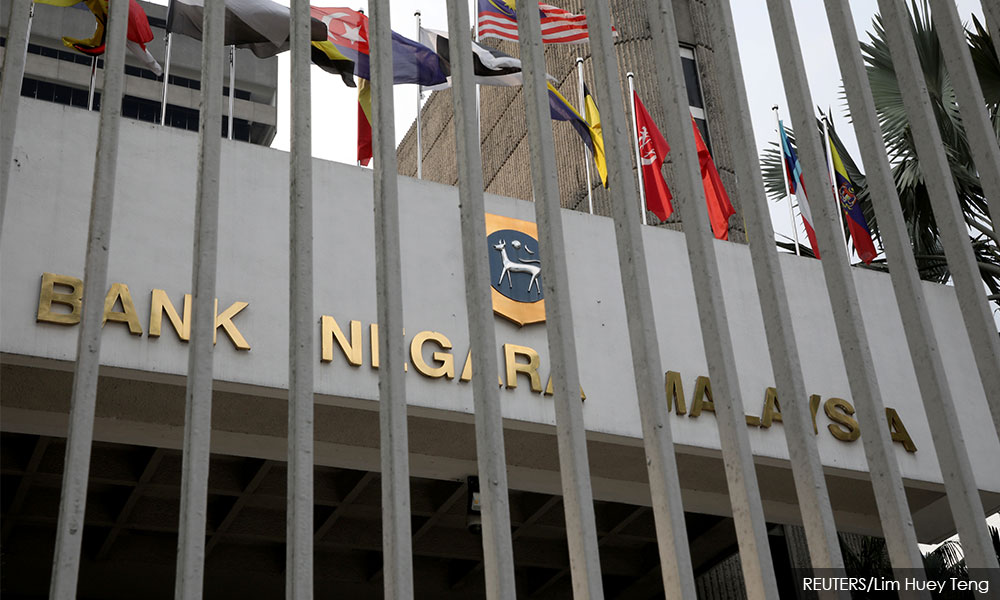
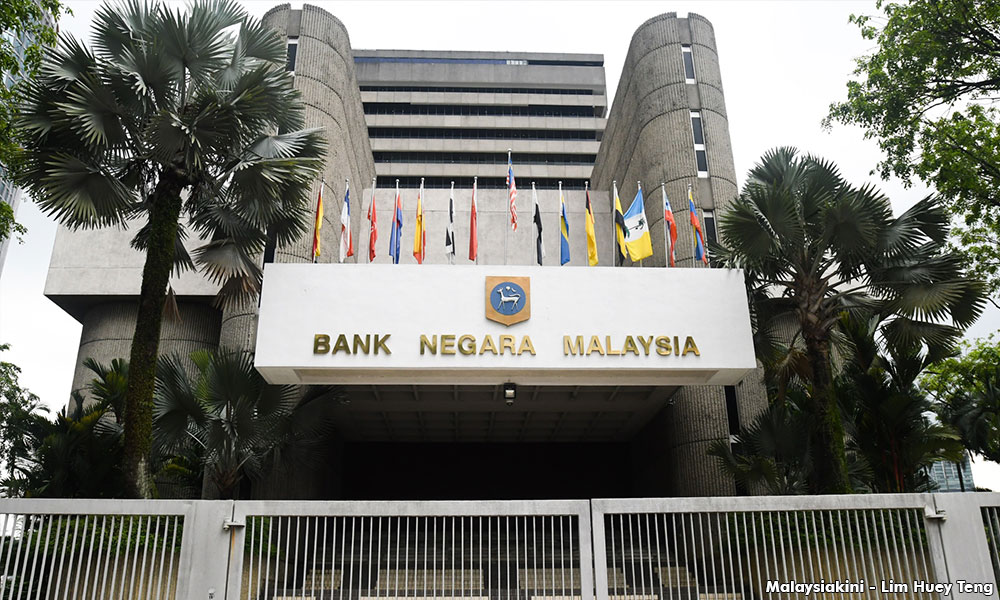
On Wednesday, July 6, Bank Negara announced that the OPR would increase 25 basis points to 2.25 percent, a second rate hike following an earlier increase on May 11.
Following the economic downturn resulting from the Covid-19 pandemic, Malaysia’s OPR was at a historic low of 1.75 percent.
OPR may seem like an arcane term to many but a change of a few percentage points will directly affect you.
Malaysiakini examines the OPR and how it might affect the wallet and bank accounts of the average person on the street.
What is OPR?
The OPR represents the minimum interest rate charged amongst...
Editor’s Note: This Kiniguide was originally written in May 2022. It has since been edited to make it a timeless guide for our readers.
KINIGUIDE | Every few months, banks, financial research houses and business publications will speculate about the Overnight Policy Rate (OPR), and this is followed by Bank Negara Malaysia's statement of any changes to the rate.
OPR may seem like an arcane term to many but a change of a few percentage points will directly affect you.
Malaysiakini examines the OPR and how it might affect the wallet and bank accounts of the average person on the street.
What is OPR?
The OPR represents the minimum interest rate charged amongst banks on interbank lending and it is set by Bank Negara.
It is one of the tools used by the central bank to enact monetary policy to control the country's money supply and influence economic direction.
From 2011 to 2019, the OPR ranged between 2.75 percent and 3.25 percent at various periods. However, beginning in 2020, Bank Negara began cutting the OPR as the Covid-19 pandemic disrupted the global economy.
Wait a minute, banks borrow from each other?
Yes, depending on its lending activities and customer withdrawals/deposits, a bank might have a shortage or a surplus of funds. The banks with a shortage will borrow money overnight from those with a surplus.
This lending and borrowing ensure that the banking system remains stable and has sufficient funds.
The OPR is the minimum interest rate charged amongst banks in the interbank market, in which they borrow funds from each other.
Why did Bank Negara increase the OPR? How will this affect the economy?
Bank Negara said the previous reduction of the OPR to a historic low of 1.75 percent was to provide support to the economy due to the global disruption from the Covid-19 pandemic.
The OPR reduction allowed for cheaper loans to enable businesses to afford the financing needed to sustain themselves. It also helps struggling businesses by lowering the repayment rates of their existing loans.
However, with the domestic economy on a more stable footing, Bank Negara decided to ease this support.
I’m not an economist and I don’t work in a bank or in the financial sector. Why should I care?
When interest rates at which banks borrow money from each other are affected, so are the interest rates charged to consumers like you.
The OPR affects short-term interest rates, fixed deposit rates, foreign exchange rates, long-term interest rates and a range of economic variables. These, in turn, will affect businesses, employment and prices of goods and services.
How does changing the OPR affect loans?
When OPR goes up, your loan repayments will increase as banks pass on higher borrowing costs to customers via higher interest rates. Alternatively, the repayment amount can remain the same but the repayment period is increased.
If the OPR is cut, consumers will benefit as their repayment amount will be lowered or the loan period is shortened.
This applies to major types of retail loads such as housing, car, and personal loans.
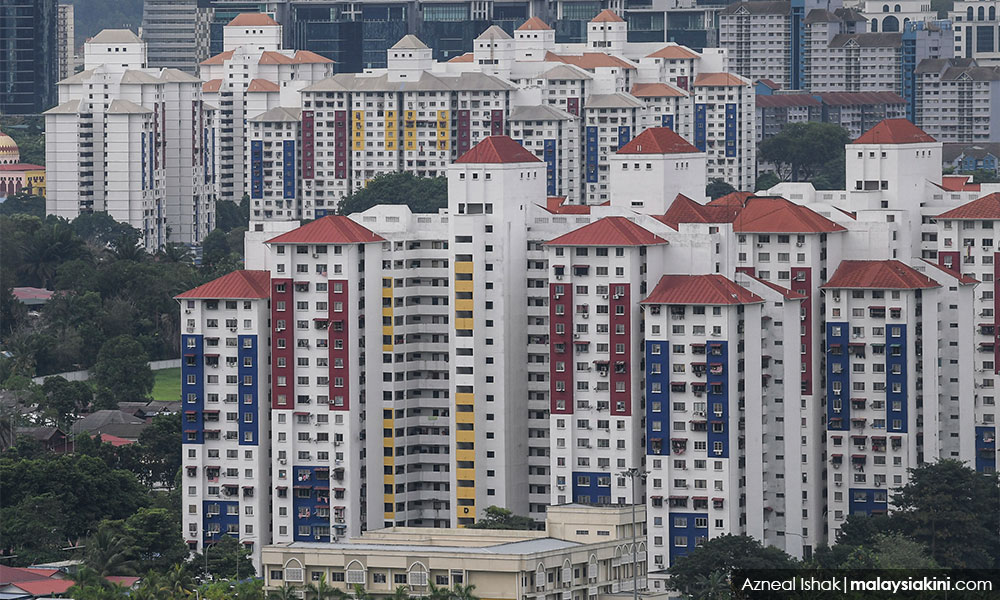
To illustrate, on Thursday, May 12, CIMB announced it is increasing loan and financing rates by 0.25 percent starting May 18.
Does this mean I will be paying more for my nasi lemak and teh tarik?
Logically, the price of your nasi lemak and teh tarik should not be affected, unlike the times when sugar goes up to five sen per kilogramme and the mamak restaurants correspondingly raise your teh tarik price by five sen.
The OPR does not directly affect the cost of everyday goods and services for the average consumer.
However, there is likely an indirect impact.
For instance, it could affect how much a person might end up spending on high-end consumer goods such as televisions, laptops or even handphones if the consumer takes a personal loan or a hire-purchase agreement for the purchase.
However, economist Yeah Kim Leng said since the interest rate increase was marginal, other cost factors such as wages, raw materials, transport and utilities would have a greater influence on consumer prices.
At the same time, a small business owner could attempt to pass on some of his personal costs to his customers.
If John the kopitiam owner now has to pay more to service his business loan, he might be tempted to increase his prices a bit to offset his increased loan repayment, for as long as the customer can bear it.
How will the OPR affect low and middle-income earners?
According to Yeah, the highly indebted low and middle-income earners will have to set aside larger amounts from their income to service their loans.
“They will need to tighten spending on other items in addition to coping with the increases in the cost of living,” he said.
Nevertheless, those with savings can see this offset through higher interest income, he said.
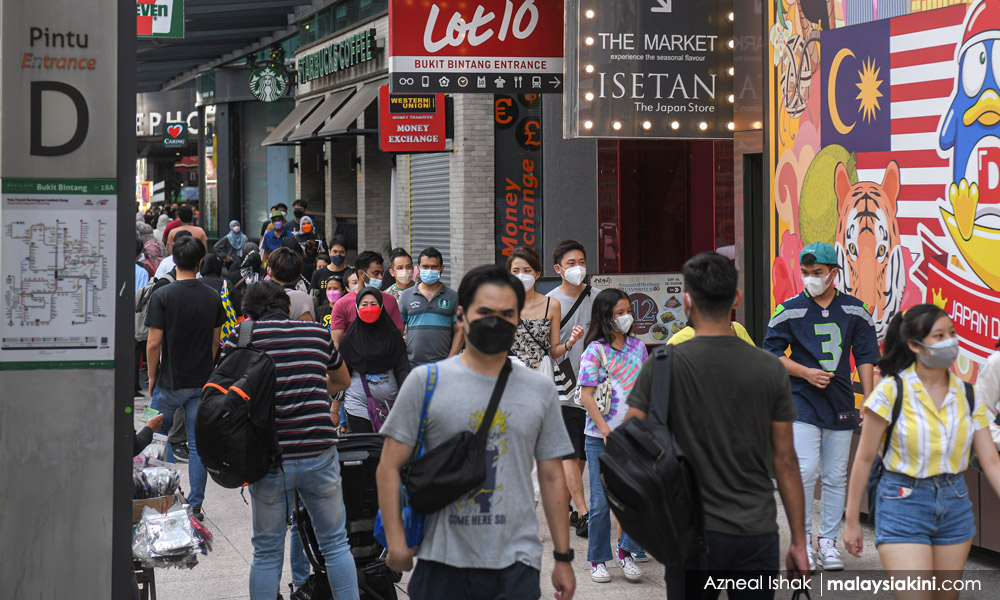
However, there might not be many who would have enough savings to benefit from higher interest rates. This can be seen where many Employee Provident Fund contributors had to cash out their retirement savings just to keep afloat.



Are you sure you want to delete this comment?
This action cannot be undone.