



Quiet but vital role of medical, sports science teams in athlete performance
During every major sports tournament and championship, athletes rely heavily on their medical and sports science teams to ensure that they are able to perform at their very best.
Doctors, physiotherapists, sports science experts, masseurs and nutritionists will all ensure that athletes remain at their optimum levels to be able to...
During every major sports tournament and championship, athletes rely heavily on their medical and sports science teams to ensure that they are able to perform at their very best.
Doctors, physiotherapists, sports science experts, masseurs and nutritionists will all ensure that athletes remain at their optimum levels to be able to go all out for victory after months or even years of preparation and training.
During the 31st South East Asian (SEA) Games in Hanoi, Vietnam, Bernama visited and talked to the Malaysian contingent medical team managed by the National Sports Institute about the team’s main functions, especially during a major tournament in the transition to the endemic phase.
SEA Games contingent chief medical officer Dr Ahmad Munawwar Helmi Salim said about 40 staff, including six specialist doctors, have been assigned to treat and look after the national athletes throughout the games.
“This includes exercise physiologists, biomechanics and nutritionists as well as three medical specialists from the Health Ministry to ensure we provide the best and immediate treatment, in addition, to help boost their performance and speed up their recovery,” he said.
He explained that sports medicine and sports science aspects were related and ensured that athletes are able to perform at their very best.
“If we use a Formula One racer analogy, medical is like repairing a broken-down car, while sports science is like boosting the car’s performance for a better result,” he said.
Covid-19 guidelines
On the Covid-19 guidelines set by the organisers, Munawwar said each athlete who is found positive needs to be quarantined in their own rooms and would only be allowed out to end the quarantine or to compete if RTK Antigen tests came back negative.
Although cases in Vietnam have dropped to 3,000 daily cases compared to hundreds of thousands of cases in the past two months, athletes still need to comply with the set Covid-19 standard operating procedures.
These include not leaving the sports bubble and being allowed only to travel between the competition venue and their hotel, as well as being tested before and after arrival in Vietnam, 24 hours prior to competition and a test every three days for sports that have a long competition duration.
Munawwar also confirmed that no Malaysian athlete in Hanoi tested positive for Covid-19 or has sustained any serious injuries thus far, except for footballer Azam Azmi Murad, who received a head injury when he played against Thailand last Saturday.
Besides preparing a mini-clinic at a hotel in Hanoi, the team also prepared medical facilities in Bac Ninh and Quang Ninh, as well as satellite centres at other locations to provide quick treatments.
The facilities include emergency treatment, injuries, medical, ultrasound, sports massage, rehabilitation support, recovery boots and ice baths.
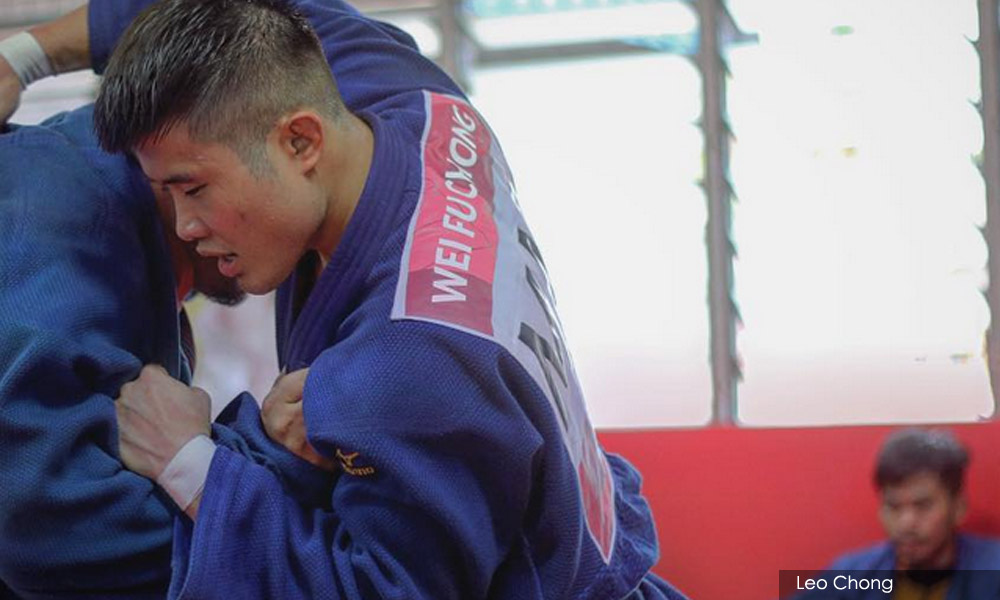
He said combat sports such as karate, silat, taekwondo, judo, jiujitsu and kurash, as well as road cycling, hill cycling events, and football were sports that required attention as they had a high risk of injuries.
“Injuries sometimes aren’t limited to specific sports, other sports like gymnastics and wushu do have risks as well. Even though the possibility is low, there’s still a risk,” he added.
- Bernama


Are you sure you want to delete this comment?
This action cannot be undone.