


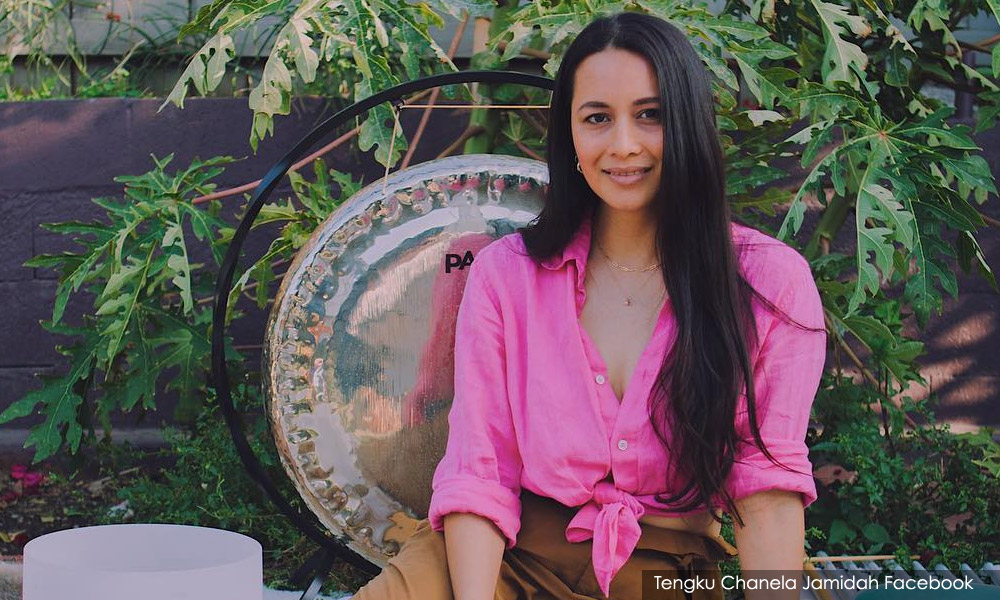

Halal hemp: Tengku Chanela leads the way for marijuana reforms
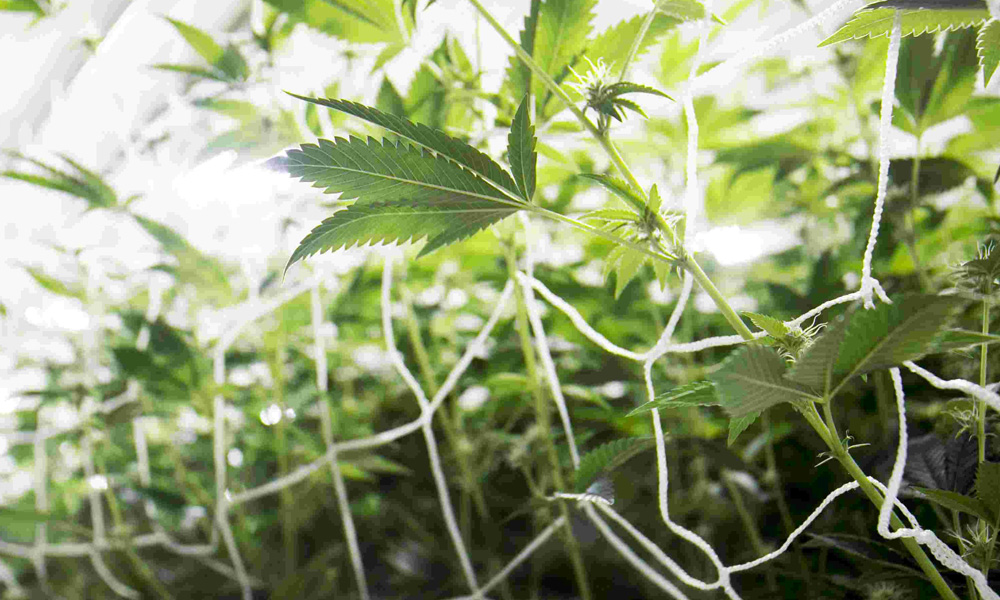
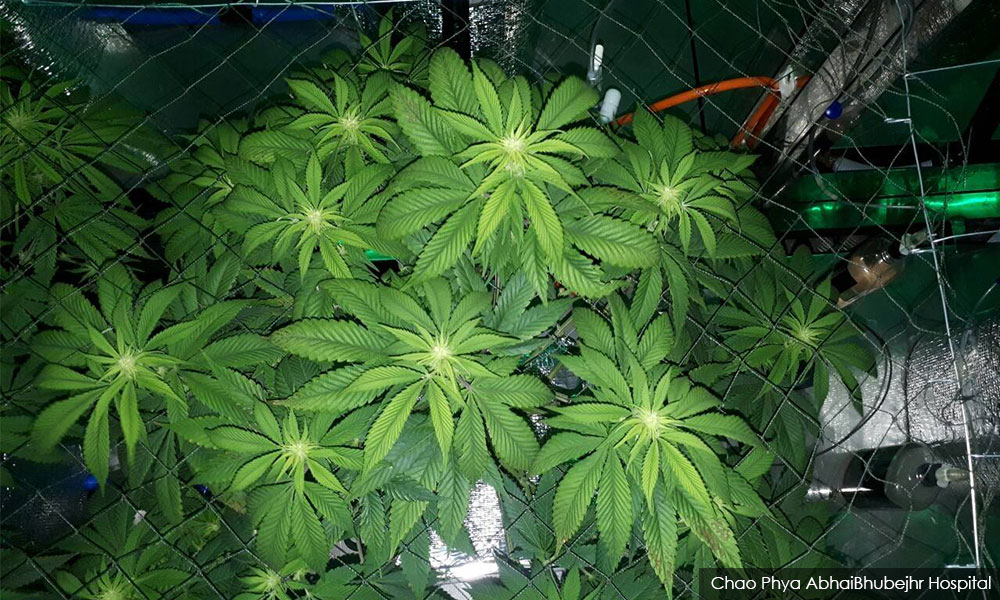
MALAYSIANSKINI | A few days ago, a 78-year-old retired ambassador and his son were arrested as more than 100 marijuana plants were found growing around their house in Janda Baik, Pahang.
The former diplomat was detained during a raid at his house last Saturday, while his 53-year-old son was detained in Shah Alam on Monday.
Earlier in the year, singer Yasin Sulaiman was charged with trafficking cannabis, an offence that carries the mandatory death penalty if found guilty.
Yasin’s family is seeking the Prisons Department's permission to allow the artiste, who suffers from chronic bipolar disorder, access to psychiatric specialists because he is in prison on a non-bailable offence.
Six months ago, a marijuana smoker who was a resident of a drug rehabilitation centre in Kubang Pasu, Kedah, succumbed to injuries after a warden foiled his escape attempt and allegedly beat him to death.
While most of the world is moving forward, Malaysia is going in circles...
EDITOR’S NOTE: This article was amended to better reflect the nature of Yasin Sulaiman’s charges.
MALAYSIANSKINI | A few days ago, a 78-year-old retired ambassador and his son were arrested as more than 100 marijuana plants were found growing around their house in Janda Baik, Pahang.
The former diplomat was detained during a raid at his house last Saturday, while his 53-year-old son was detained in Shah Alam on Monday.
Earlier in the year, singer Yasin Sulaiman was charged with trafficking cannabis, an offence that carries the mandatory death penalty if found guilty.
Yasin’s family is seeking the Prisons Department's permission to allow the artiste, who suffers from chronic bipolar disorder, access to psychiatric specialists because he is in prison on a unbailable offence.
Six months ago, a marijuana smoker who was a resident of a drug rehabilitation centre in Kubang Pasu, Kedah, succumbed to injuries after a warden foiled his escape attempt and allegedly beat him to death.
While most of the world is moving forward, Malaysia is going in circles with its drug reform policy. For the past few years, there have been discussions on legalising medical marijuana, decriminalising drug use for small quantities and abolishing the death penalty in relation to drug use.
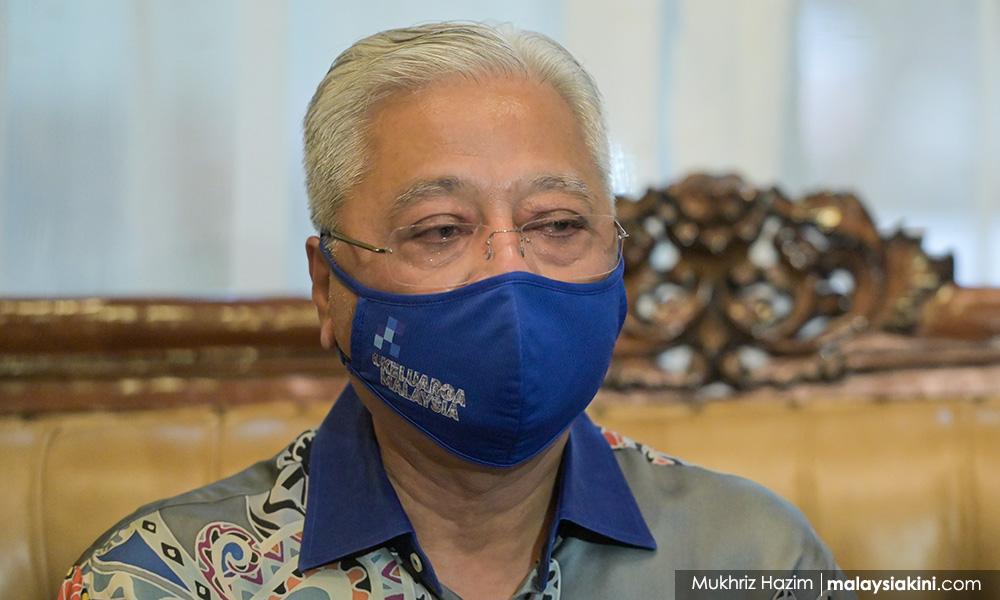
But nothing has changed, even if Prime Minister Ismail Sabri Yaakob is reviewing the former Pakatan Harapan government’s decision on alternative treatments using ketum and medical marijuana, after an official meeting with the bi-partisan Medical Cannabis Caucus.
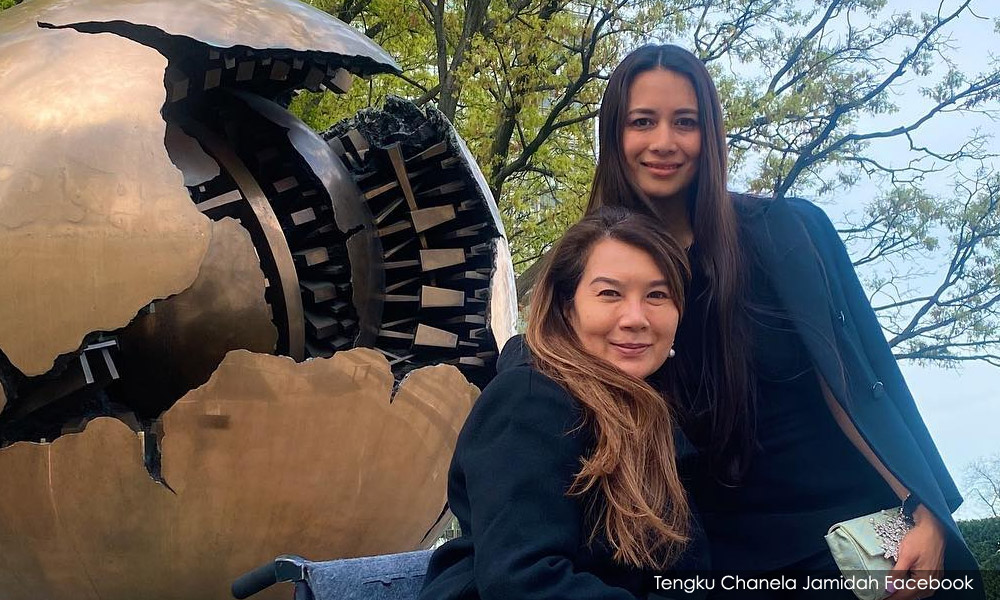
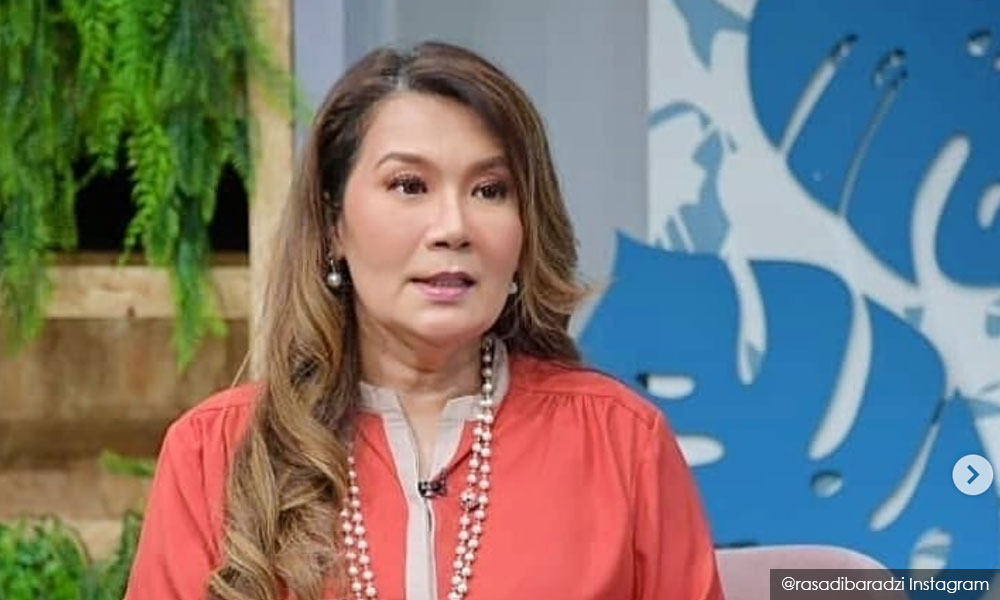
Earlier this month, Senator Ras Adiba Radzi was the latest to call for a change, saying Malaysia should play a serious role and take progressive actions to allow the use of cannabis and hemp, especially cannabidiol (CBD) for medical purposes.
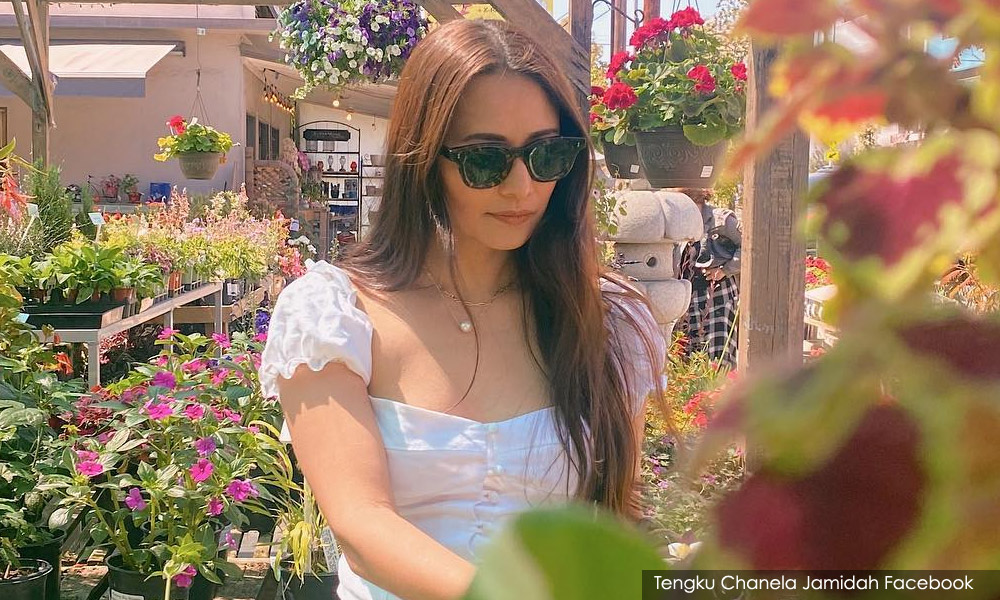
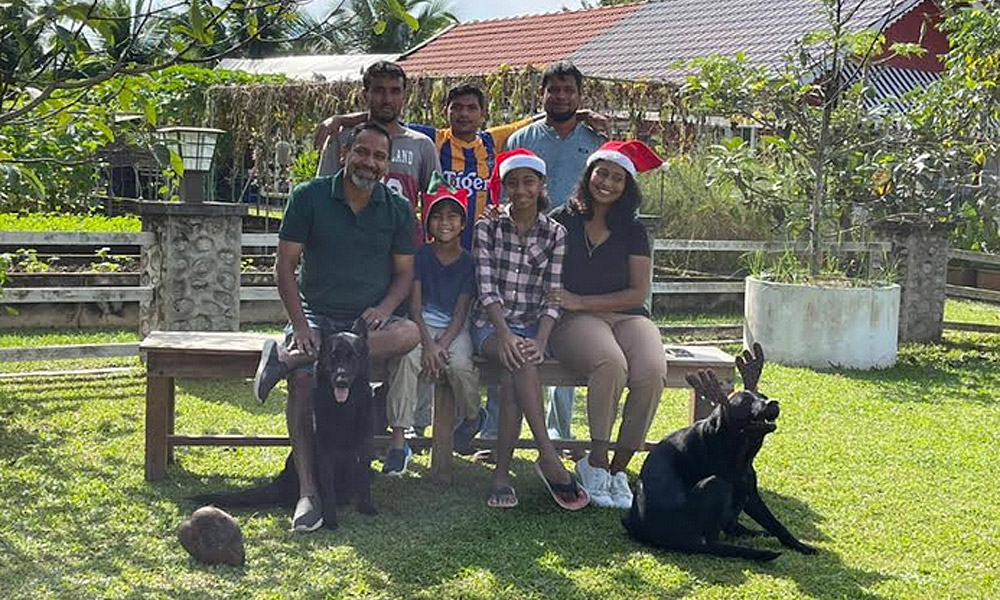
She also recently met with Tengku Chanela Jamidah who is making a name as such an advocate. A US-based daughter of a member of the Pahang royalty, the late Tengku Arif Bendahara Ibrahim, Tengku Chanela has just launched Halal Hemp and is working to change minds and laws on this issue.
“I have been an advocate since 2019 and worked with NGOs and cannabis prisoners to create awareness on social media with a goal to destigmatise.
“Since then, I have consulted privately on cannabis projects in the East and after noticing a gap in the industry and being able to solve a unique problem, I made a decision to launch Halal Hemp in 2021,” she told Malaysiakini in an interview.
Halal Hemp currently has an exclusive partnership with The American Halal Foundation, which is the first and only certification organisation in the world that created an auditing process to certify CBD as halal.
The declaration of halal is intended to allow people to feel confident and comfortable, along with various clinical studies and other scientific papers.
“We are currently in an outreach programme to brands in the United States to adopt the certificate and will launch a marketplace this summer.
“The halal market opportunity for cannabis and hemp globally is estimated at US$58.6 billion annually by 2030 and Malaysia alone can contribute up to RM46.6 billion.
“Currently, the halal industry contributes 8.1 percent to our GDP, the addition of the hemp and cannabis sector could double this figure,” Tengku Chanela said.
While previously living in Malaysia, she was involved in fashion brands Thavia and Dida, but she said that in 2018, she started taking CBD oil for anxiety, insomnia and chronic pain.
“It was mind-blowing. The diverse use of this plant, coupled with how transformational it was in improving my quality of life, encouraged me to share about it with others.”
Tengku Chanela said she eventually decided that it was her responsibility to take part in such an important campaign.
Q: What prompted you to get involved?
Once I was able to understand the benefits of medical cannabis and industrial hemp, it was very clear this was a matter of necessity.
I saw it as my responsibility to be a medical user and acknowledge the economic, social and environmental impact this plant could provide.

I also felt there was too much of a misconception about the plant and that through medical journals and scientific data, others would see the truth and it would eventually be adopted in more countries as we saw legalisation progress across the West.
How fast is the industry moving in the US? What is the response to the move?
At present, there are almost 40 states that have legalised medical or adult use of cannabis whereas hemp and CBD are federally legal through the enactment of the farm bill in 2018.
In 2021, a peer research study indicated that 91 percent of Americans support the legalisation of cannabis. Americans spent nearly US$25 billion on cannabis products in 2021.
States that have legalised cannabis have collectively garnered more than US$10 billion in cannabis tax revenue since the first legal sales started in 2014. The response has been encouraging and effectively reducing crime rates in legal states.
As everyone is aware, the World Health Organization (WHO) has dropped medical marijuana from the list of dangerous drugs. Therefore, Malaysia needs to enable the use, sale and distribution of cannabis and hemp, especially CBD for medical purposes.
You took up a position as patron of Masa (Malaysia Society of Awareness). Are you still involved there?
I am no longer a patron as I am very much focused on building Halal Hemp, where I am based here in the US. I have just been appointed adviser to Regennabis, an advisory, membership, events and investment services company that aligns with the United Nations Sustainable Development Goals.
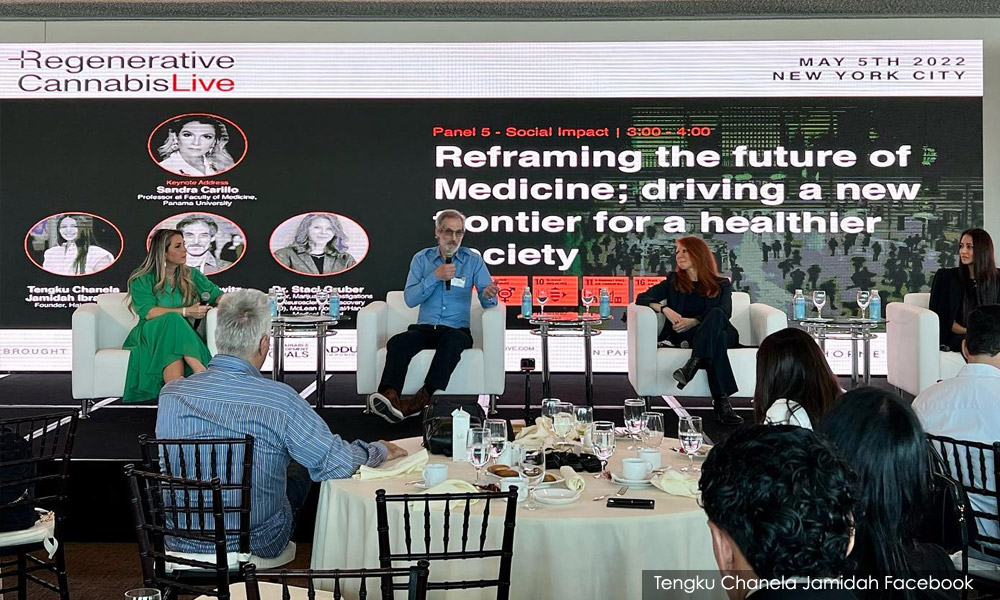
Earlier this month, we organised the very first hemp/cannabis conference hosted at the United Nations where I appeared as a panellist representing Halal Hemp.
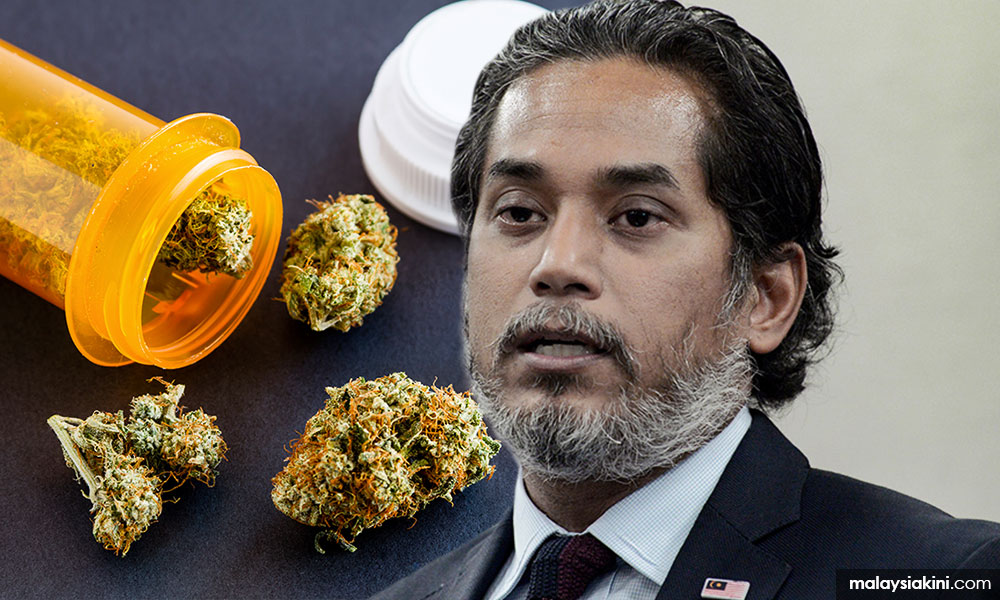
The issue of legalising the sale and possession of medical marijuana has somewhat been addressed by Health Minister Khairy Jamaluddin, but he called for more testing. Do we need that, given that many countries overseas have tested?
Hemp and CBD have already been tested and approved by the US FDA (Food and Drug Administration) and sold as Epidiolex, meaning that it has been proven safe for patients of all ages. Furthermore, the efficacy of CBD has been proven in a variety of other studies conducted all around the world.
This does not mean that products intended for use and sale should not be tested like any other consumable or ingestible products.
Every state in the USA has implemented strict quality control testing which requires products to be labelled for their cannabinoid content and tested for foreign contaminants like heavy metals, pesticides and other industrial chemicals.
At the end of the day, it's not about the safety of the cannabinoids, which have been proven safe. Rather, it's about testing the final processed product to ensure that it has not been adulterated in its growth, production and manufacturing processes.
Serial discussions, debates and dialogues are especially important among policymakers in discussing the benefits of medical cannabis use.
The government also needs to play a serious role in ensuring a complete ecosystem, including blueprints/strategic plans as well as medical cannabis-friendly legislation.
Decriminalising small quantities of possession of drugs so that addicts can be treated as patients, not criminals, has also been discussed. But this has not taken effect?
I believe this must take effect immediately. Thailand, our neighbouring country, has de-scheduled and legalised medical cannabis.
There is an urgent need for the Malaysian government to amend existing laws by dropping cannabis from the First Schedule list of the Dangerous Drugs Act 1952. Quoting my dear friend, Harvard trained MD Dr Uma Dhanabalan: "Cannabis is not an entrance drug, it is an exit drug from pharmaceuticals, narcotics, alcohol and nicotine."
Compared to tobacco, alcohol and opioids with a much higher addiction rate, cannabis does not contribute to a single death.
What about removing the mandatory death penalty as part of the sentencing under the Dangerous Drugs Act?
To put one to death over a plant whilst others are generating billions of dollars in revenue is against our basic human right.
We must evolve out of our old ways and recognise the effects of prohibition and how these punitive laws came about. First, the prisons are already overcrowded, with 60 percent in prison for non-violent drug charges.
We spend over RM500 million a year to maintain those prisoners. That funding can be better allocated towards the development of our nation and worthy causes. We must abolish the death penalty immediately.
We even had the violent death of a marijuana smoker beaten to death after trying to escape?
This is heartbreaking. Again, cannabis users are not criminals. I keep abreast of what's happening in Malaysia and will be launching a social impact-focused fund/foundation to ensure prisoners get the attention and justice they deserve. Stay tuned.
Malaysianskini is a series on Malaysians you should know.
Previously featured:
Rashid Salleh comes full circle with Iban sitcom Tembawai Kanyuk
Given a year to live, Swathi has just turned five
Underwater meadows: Jillian Ooi merges science and art to save seagrass
No job too small or big for writer, baker, undertaker Hasrul Rizwan
Law of science: From entomologist to environmental journalist
Special needs mom brings adaptive apparel to forefront of M’sian fashion


Report this comment
Are you sure you want to delete this comment?
This action cannot be undone.