



KINIGUIDE | What is the ‘Generational End Game’ bill, and why do some oppose it?
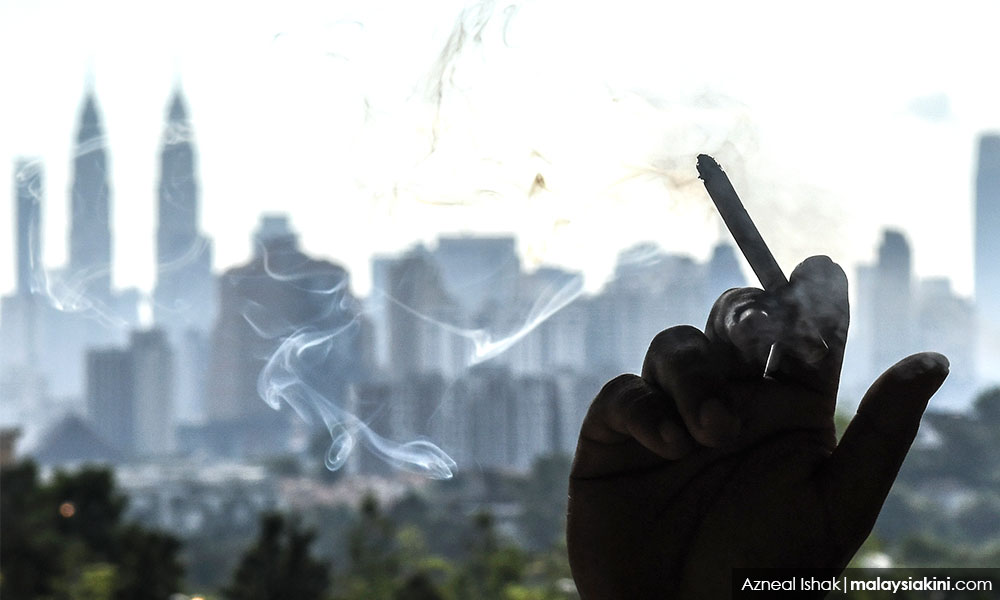
KINIGUIDE | The Generational End Game bill, which aims to ban smoking to anyone born from 2007 onwards, is seen as a game changer by many, potentially heralding the first generation of Malaysians who cannot legally smoke a cigarette.
However, many, including public health practitioners, are raising the alarm over some details of the bills, which they argue could be oppressive and harmful.
As the bill gets tabled for second and third reading in Parliament today, this Kiniguide explores why this is so and what the bill actually says.
What is the Generational End Game (GEG) Bill?
In fact, calling Generational End Game (GEG) a bill is a bit of a misnomer because it refers to only a section of the Control of Tobacco Products and Smoking Bill 2022.
The other sections include various regulations to control the sale of tobacco and vape products and have been in the works...
KINIGUIDE | The Generational End Game bill, which aims to ban smoking to anyone born from 2007 onwards, is seen as a game changer by many, potentially heralding the first generation of Malaysians who cannot legally smoke a cigarette.
However, many, including public health practitioners, are raising the alarm over some details of the bills, which they argue could be oppressive and harmful.
As the bill gets tabled for second and third reading in Parliament today, this Kiniguide explores why this is so and what the bill actually says.
What is the Generational End Game (GEG) Bill?
In fact, calling Generational End Game (GEG) a bill is a bit of a misnomer because it refers to only a section of the Control of Tobacco Products and Smoking Bill 2022.
The other sections include various regulations to control the sale of tobacco and vape products and have been in the works since 2005.
However, the section that is the GEG is a new introduction, announced this January, and has not gone through the same level of public consultation as the rest of the bill.
The section of the bill which is GEG, in short, makes it unlawful to sell tobacco products and smoking devices to those born from Jan 1, 2007, onwards, with the ban starting in 2025.
This means that if this bill becomes law, a 15-year-old today will never be able to purchase a cigarette, a vaping device or any tobacco product legally in their lifetime in Malaysia, even after they become adults in the year 2025.
The same applies to those who were born in 2008, 2009, etc. onwards.
Earlier, the bill proposed setting the ban for those born from 2005 onwards, but this was amended to 2007 following engagement with the bi-partisan Parliamentary Select Committee for Health, Science and Innovation.
What does it hope to aim for?
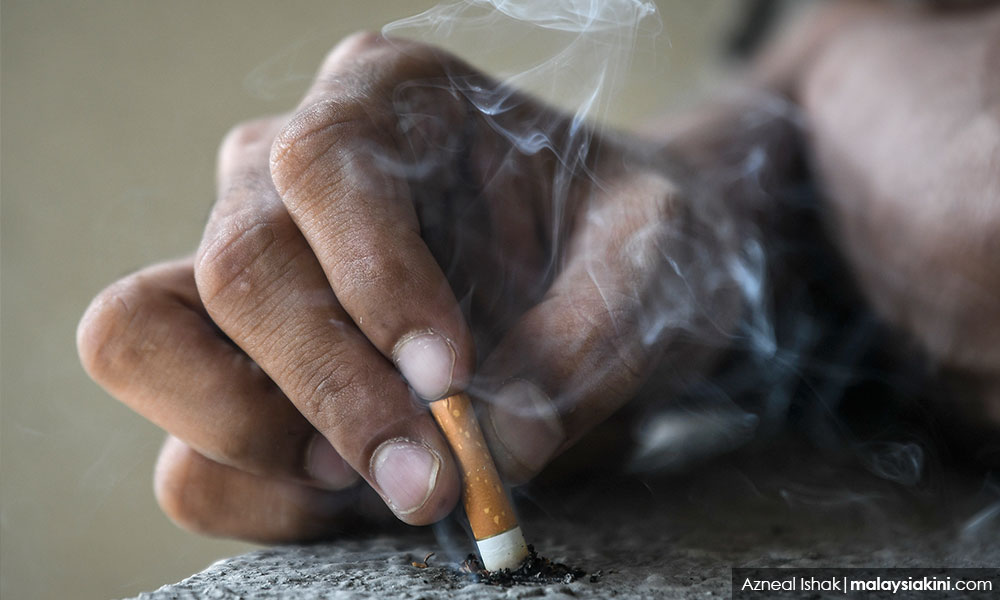
Called a “game changer”, it aims to have a generation of Malaysians who do not consume tobacco products.
By placing a total ban on those born from 2007 onwards, the government hopes to shrink the market for cigarette and tobacco product users over time.
“Every year, more cannot smoke, but those who are already smoking will continue to buy cigarette products,” Health Minister Khairy Jamaluddin explained.
He said the law could potentially save two million lives due to a reduction in smoking-related diseases.
In 2020, RM6.2 billion of public funds were used to treat three diseases caused by smoking - lung cancer, heart disease and chronic obstructive pulmonary disease (COPD).
The government expects the cost to go up to RM8.8 billion by 2030.
Is vape included in the ban?
Yes, smoking is defined as inhaling and expelling smoke or vapour of any tobacco product.
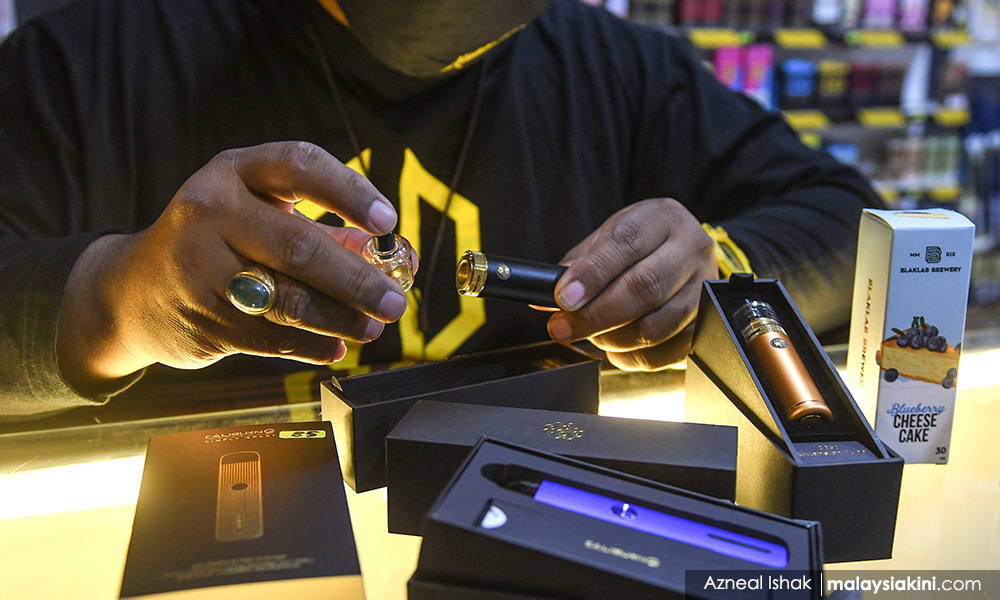
So this would include vape devices, heat-not-burn devices, e-cigarettes and hookah.
Under the bill, what will happen if someone born in 2007 buys a cigarette, vape or other tobacco product in 2025?
They can be fined up to RM5,000 if a criminal charge is pursued.
Sellers can face fines of up to RM100,000 or jail up to two years, or both, depending on whether it is a first offence and the type of seller. Corporate bodies face heavier penalties.
A compound can also be issued instead of a criminal charge.
What can enforcement agencies do to enforce the ban?
The bill allows police extensive stop, seize and search powers against anyone suspected of breaking any provision of the bill.
This includes forcing those suspected of purchasing a tobacco product to provide passwords and encryption codes of their electronic devices, stopping and searching a vehicle and entering a premise and conducting body searches.
Is Malaysia the first in the world to propose such a ban?
No, a similar bill in New Zealand, referred to as Smokefree Generation, was recently passed by its legislature.
In New Zealand, the ban is on those born from Jan 1, 2009, onwards, does not include vaping and does not penalise users or buyers of the product.
It also does not provide as wide-ranging powers to stop, seize and search to enforcement agencies.
Bakri MP Yeo Bee Yin also noted that the New Zealand bill went through deliberations by a parliamentary select committee before the second reading, giving MPs four months to consider amendments before it was tabled for the vote.
In contrast, MPs in Malaysia are voting about a week after they see the bill.
“Is it right for Malaysian MPs to support a bill without much deliberation in the name of good intentions?”
Why are people opposing it?
Besides the complaints by MPs who feel they are rushed, experts in public health, law and human rights have also raised concerns.
Public health specialists and experts in the treatment of addictions are concerned about the punitive measures imposed on those purchasing tobacco products.
Public health experts say extensive research into managing opioid addiction in the past decades has found criminalising use is harmful and does not help control addiction problems.
“Like every healthcare professional, I look forward to smoking being more widely banned, but criminalisation is not the way to go.
“It has not worked for other drugs. Poor people will be disproportionately affected just as it has for decades with other drugs,” Dr Adeeba Kamarulzaman, an infectious diseases expert and chairperson of the Malaysian AIDS Foundation said.
Lawyers have also expressed concern that extensive powers extended to enforcement agencies in the bill can lead to police abuse and human rights violations.
Muda president Syed Saddiq Abdul Rahman was concerned that it might impinge on civil liberties and create a slippery slope towards the ban of other products, like alcohol and sweet beverages.
He also raised concerns about the impact on retailers. Many vape businesses are owned by young, bumiputera entrepreneurs.
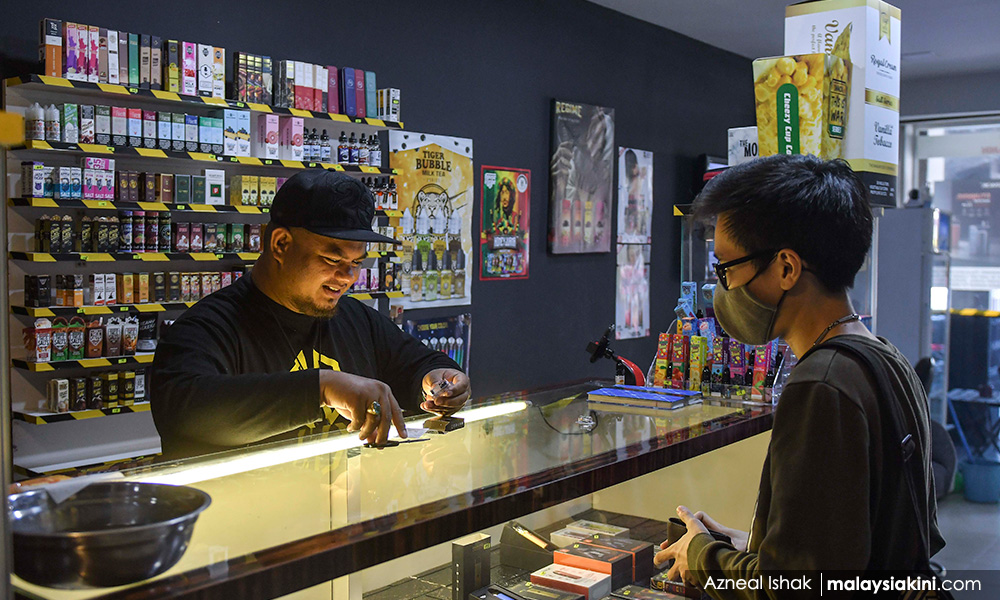
Some public health experts also spoke up against including vaping in the GEG, because although still harmful, it is used as a harm reduction alternative for those already addicted to cigarettes.
The Parliament Select Committee on health also proposed a separate bill to regulate the currently unregulated vape industry.
In response, Khairy said that tobacco users born from 2007 onwards will not be criminalised and will only be compounded RM50 as per existing anti-smoking regulations.
However, lawyer Syahredzan Johan noted that the power to compound does not mean criminal charges will not be pursued.
“Remember, the decision to compound is always discretionary. The assurance that minors will just be compounded is just that, an assurance. Assurances are only as good as the person making the assurance,” he said.
Won’t the ban push people to buy illicit cigarettes?
Some economists have made this argument against the GEG, saying it will not only defeat the purpose of the bill but also hurt the government’s ability to collect revenue on cigarettes and vape devices.
The industry estimates illicit cigarettes make up almost half of cigarettes smoked in Malaysia.
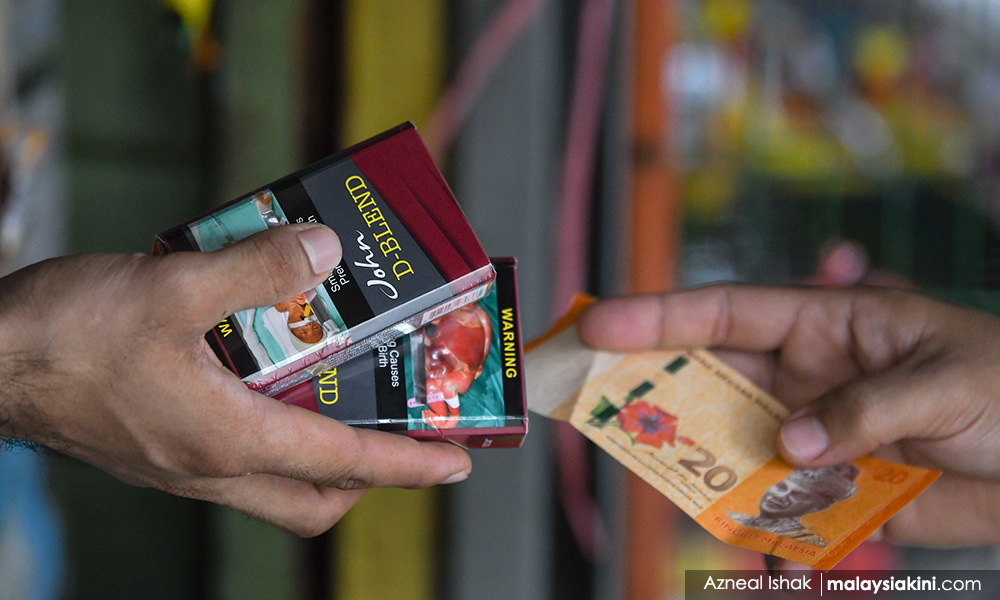
However, Khairy said illicit cigarettes have always been an issue, and enforcement against it will continue.
The GEG, he said, will stop people from even starting to smoke and become addicted, thus negating the need to look for illicit alternatives, he said.
He said the tobacco industry contributes only 0.18 percent of the GDP.
What happens now?
Several stakeholders have urged for a delay to fine-tune the issues raised by public health and law experts and to take into account the recommendations of the bi-partisan Parliamentary Select Committee for Health, Science and Innovation.
However, the bill is scheduled for the second and third readings in the Dewan Rakyat today, after which MPs will vote on whether it should become law.
Khairy said if the bill is passed, an independent committee will be set up to carry out a mandatory evaluation of the effectiveness of the proposed law before it is enforced.
He added another round of reviews would be done after 10 years.




Report this comment
Are you sure you want to delete this comment?
This action cannot be undone.