


/file/publisher-c1a3f893382d2b2f8a9aa22a654d9c97/2022/03/1339be035f41140ddae54e5ef8c7d6cc.jpg)

Bersih: 'Irresponsible' if GE15 called early at rakyat's expense
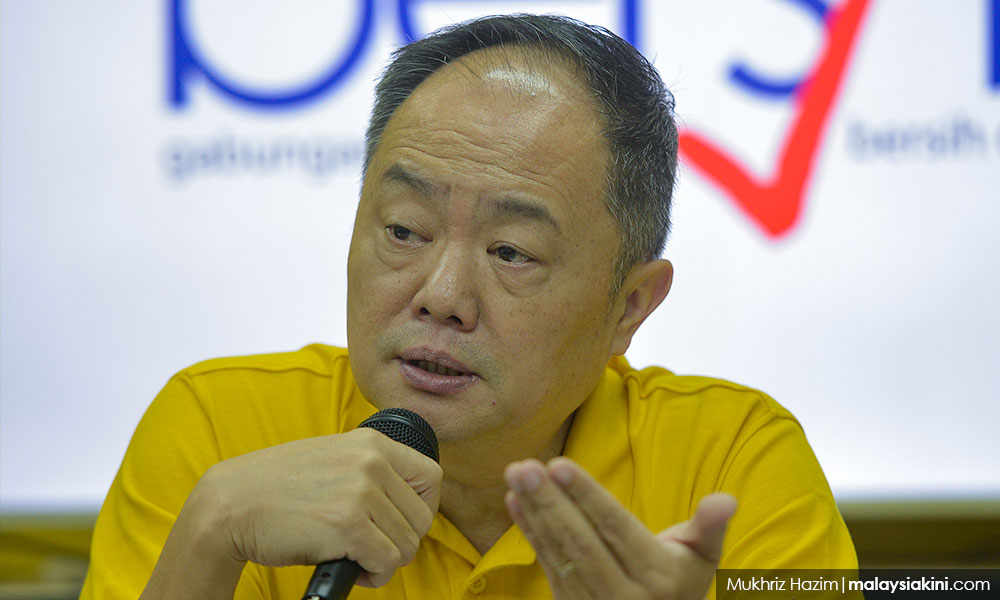
It would be an 'irresponsible' move on the prime minister’s part to call for an early election for political expediency at the expense of the rakyat, said Bersih chairperson Thomas Fann.
He also stressed that the unnecessary expenses coming from the taxpayers' pocket could be better used to restore the economy and build infrastructure.
"Calling for the 15th general election (GE15) during flood season would not only increase the logistical cost to run an election in the midst of flooding in some areas, but...
It would be an 'irresponsible' move on the prime minister’s part to call for an early election for political expediency at the expense of the rakyat, said Bersih chairperson Thomas Fann.
He also stressed that the unnecessary expenses coming from the taxpayers’ pocket could be better used to restore the economy and build infrastructure.
"Calling for the 15th general election (GE15) during flood season would not only increase the logistical cost to run an election in the midst of flooding in some areas, but it would also affect voter turnout, as wading through the flood or even coming out in the rain may discourage some people from voting.
"To have an election that adds to the legitimacy of any elected government, a high voter turnout is necessary.
"A government which wins with a very low turnout would have a weak mandate to govern, and would very likely have difficulties in implementing tough, but necessary policies," Fann told Malaysiakini when contacted.
"Such a government would continue with populist policies that are detrimental to the long-term future of the country," he added.
Fann was commenting on the recent remark by former Election Commission (EC) deputy chairperson Wan Ahmad Wan Omar that holding a general election during the monsoon season would cost the government 10 percent more than usual, especially if it involves closed polling centres.
This is due to additional allowances for workers, as well as preparations for a new voting process to replace the one that had to be stopped due to floods, he reportedly told Utusan Malaysia in an interview.
In addition, preparing umbrellas at voting centres, heavy machinery to transport equipment in flooded areas, and meals for polling workers would also contribute to the added cost, he had said.
The EC earlier estimated that GE15 is expected to cost around RM1 billion, double the RM500 million spent to conduct the polls in 2018.
Spare the unnecessary expenses
Fann was also asked to comment on the extra cost that would be incurred for holding separate state elections next year after several states said they will not dissolve their assemblies even if the Parliament is dissolved this year.
Among those states are Kedah, Kelantan, and Terengganu - all of which are led by PAS, as well as Pakatan Harapan-led Negeri Sembilan.
Their decisions have reportedly been to ensure the people's well-being is taken care of, until the end of their respective terms.
Commenting on this, Fann said the cost of running a state election on its own is likely to be about RM100 million.
"If the various states decided not to dissolve their assemblies, it would be another round of state elections, with an additional RM100 million for each state.
"The unnecessary expenses coming from the taxpayers could be better used to restore the economy and build infrastructure," he added.
Prime Minister Ismail Sabri Yaakob must take factors that affect voter turnout and pertaining to additional costs into account when deciding when to call for GE15, he noted.
"To make a decision that greatly inconveniences the voters because of the political expediency of his party would be irresponsible."
Anti-hopping bill
Separately, in a statement today, Bersih’s steering committee urged the prime minister to advise the Yang di-Pertuan Agong to implement the anti-hopping constitutional amendments without further delay.
Gazetted on Sept 6, the actual date that the amendments should come into effect is expected to be announced by the ruler.
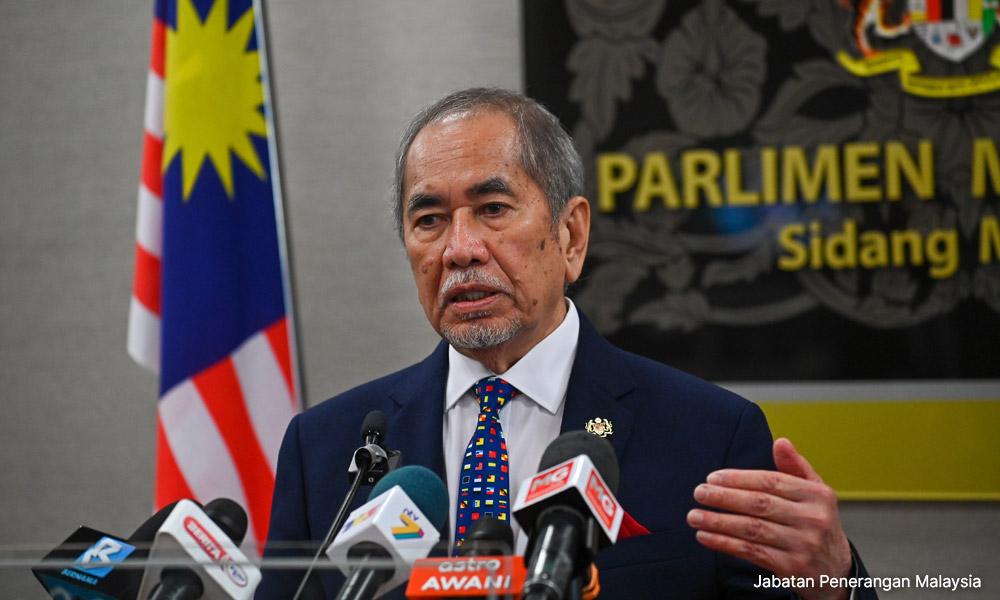
Previously, Minister in the Prime Minister's Department (Parliament and Law) Wan Junaidi Tuanku Jaafar reportedly said it would be enforced by September.
“Bersih is curious as to why the enforcement of this amendment is being delayed. It was passed unanimously by both Houses of Parliament.
“As the 15th general election looms, it is imperative it comes into force so that voters can vote with peace of mind that their choice will not be invalidated due to post-election defections by elected MPs,” said the group.
Bersih suggested that the whole amendment - with the exception of the part related to the Eighth Schedule to the Federal Constitution - may come into force first, should the concern be the acceptance of the law at the state level.
This would require the consent of each state ruler.
“This is explicitly allowed under sections 1(2) and (3) of this amendment.
“There is no reason to delay the enforcement of the national consensus, which has been shown in the parliamentary voting, at the federal level,” said Bersih.
/file/publisher-c1a3f893382d2b2f8a9aa22a654d9c97/2022/09/b83eafef4597edde8d6c4feee8f73425.jpg)
/file/publisher-c1a3f893382d2b2f8a9aa22a654d9c97/2022/03/d9b28cdcaae249a45daf1b92d98faed9.jpg)
/file/publisher-c1a3f893382d2b2f8a9aa22a654d9c97/2022/09/7a07e40ea306e4c9bb7fa1f42786c823.jpg)
/file/publisher-c1a3f893382d2b2f8a9aa22a654d9c97/2022/08/f28fe833d73aba94d868a26dea5183d6.jpg)


Are you sure you want to delete this comment?
This action cannot be undone.