


/file/publisher-c1a3f893382d2b2f8a9aa22a654d9c97/2021/07/e1f8209e6912fc535df8c6a0d4db9206.jpg)

SMEs picked up this year but at a slower pace
This round, the rising cost of operations, raw materials as well as the supply chain has rubbed salt in their wounds, resulting in a muted gross domestic product (GDP) contribution.
After a two-year pause, the small and medium enterprises (SMEs) saw some recovery albeit at a snail’s pace as the battle to sustain their businesses in 2022 continued.
This round, the rising cost of operations, raw materials as well as the supply chain has rubbed salt in their wounds, resulting in a muted gross domestic product (GDP) contribution.
According to the Department of Statistics Malaysia (DOSM), SMEs’ contribution to GDP slipped to 37.4 percent in 2021 with a value-added of RM518.1 billion versus 38.1 percent GDP contribution with a value-added of RM512.9 billion in the previous year.
The services and manufacturing sectors upheld their position as the main contributors to SMEs’ GDP activities - with both sectors representing more than 80 percent of SMEs’ GDP.
Small and Medium Enterprises Association of Malaysia (Samenta) chairperson William Ng said the spiralling costs of raw materials, energy and logistics had pushed down margins, forcing many SMEs to hold back their growth plans.
“This will, in turn, likely result in a less than optimal recovery for the SMEs sector,” he told Bernama.
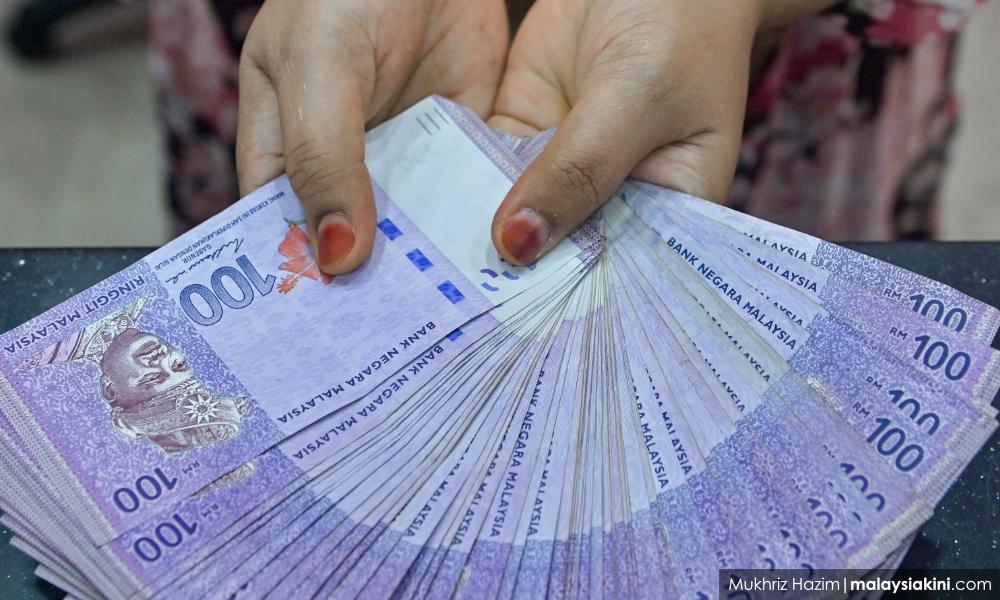
Meanwhile, SME Association national president Ding Hong Sing said labour shortage and the weakening ringgit were also a setback for SMEs’ turnaround.
He said about two million foreign workers went back to their respective countries during the pandemic but only five percent, representing less than 100,000, returned since the border reopened.
Additionally, Ding said the weakening of the ringgit caused raw materials import costs to rise, which affected the business
Going forward, Ding said he foresaw the SMEs to be doing better next year as they stand to benefit from the ratification of the Comprehensive and Progressive Agreement for Trans-Pacific Partnership (CPTPP) made on Sept 30.
“There is a high demand from European countries to buy goods from Asean countries and this ratification will open more potential trades which make our SMEs globally competitive players,” he added.
- Bernama
/file/publisher-c1a3f893382d2b2f8a9aa22a654d9c97/2020/11/82c83be96e43959cb568f2de3fc597a5.jpg)
/file/publisher-c1a3f893382d2b2f8a9aa22a654d9c97/2020/02/180bc97907bb56e78be21dd339ff910c.jpg)
/file/publisher-c1a3f893382d2b2f8a9aa22a654d9c97/2022/12/859ece39d0e9acdd7bda0750c767d1bc.jpg)
/file/publisher-c1a3f893382d2b2f8a9aa22a654d9c97/2022/12/a326d6e560b406e05eb5a8ca91814d46.jpg)


Report this comment
Are you sure you want to delete this comment?
This action cannot be undone.