


/file/publisher-c1a3f893382d2b2f8a9aa22a654d9c97/2022/09/ea845e68136d591b8c53ad0bd6a43549.jpg)

Reconsider stance on Sosma, Gobind tells home minister
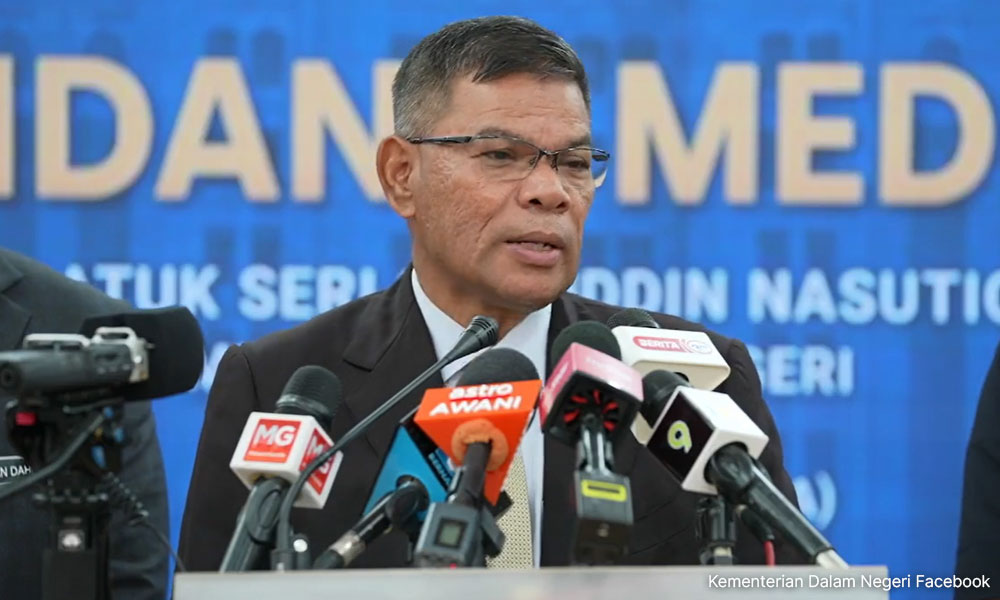
Damansara MP Gobind Singh Deo has called on Home Minister Saifuddin Nasution Ismail to reconsider his stance on the Security Offences (Special Measures) Act 2012 (Sosma) which denies bail to those charged under the law.
The former communications and multimedia minister, in a Facebook post today, labelled the minister’s position on the issue as being at odds with Harapan’s stance which has acknowledged it to be “problematic”.
“Whilst we accept that there is a need for laws to deal with the security of the nation...
Damansara MP Gobind Singh Deo has called on Home Minister Saifuddin Nasution Ismail to reconsider his stance on the Security Offences (Special Measures) Act 2012 (Sosma) which denies bail to those charged under the law.
The former communications and multimedia minister, in a Facebook post today, labelled the minister’s position on the issue as being at odds with Harapan’s stance which has acknowledged it to be “problematic”.
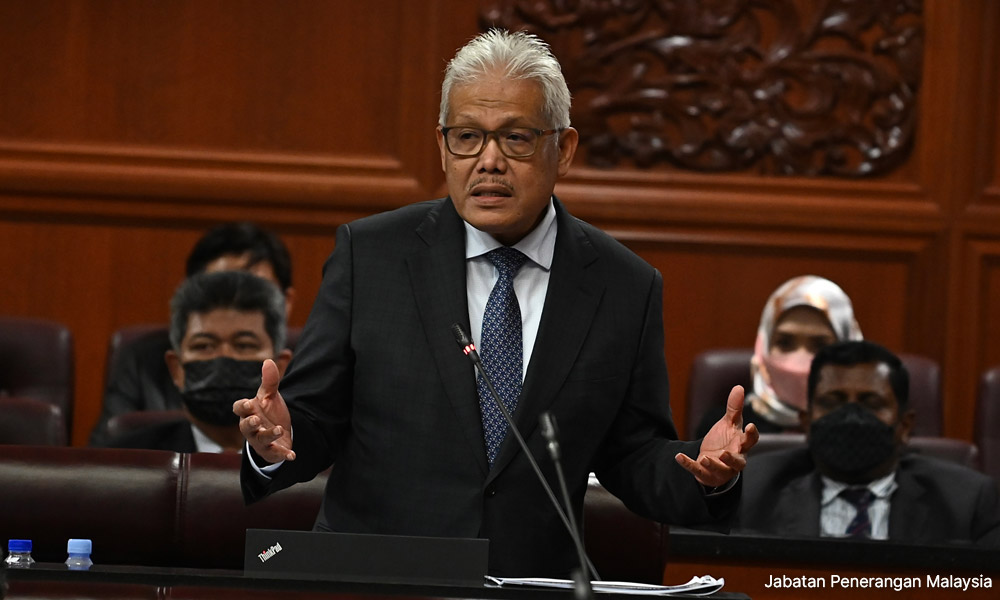
“Whilst we accept that there is a need for laws to deal with the security of the nation, we cannot deny the fact that Sosma is oppressive in nature,” said Gobind (above).
He added that in 2019, Prime Minister Anwar Ibrahim reportedly described some parts of Sosma as needing amendments due to its harsh nature.
In January 2020, then attorney-general Tommy Thomas said Putrajaya was intent on amending Section 13(1) in March of that year. However, there was a change of government soon after.
In a press conference on Dec 13, Saifuddin indicated that he has no intention of reviewing Sosma.
The home minister stated that the law was not a preventive detention law unlike the defunct Internal Security Act 1967.
He argued that the law only allowed for 28 days of detention and the suspect will have access to legal services if the matter was brought to court.
Pakatan Harapan did not pledge a review or repeal of Sosma in the run-up to the Nov 19 election, nor did any other coalition.
“There is certainly much to be done in order to remove these draconian aspects of Sosma. We in Harapan have been consistent in our call for change.
“When faced with legislation oppressive in nature, discussions must be held and points of view taken moving ahead in line with our push for reforms,” said Gobind.
No check and balance
Further, the Damansara MP pointed to Section 4 of Sosma - which allows for an individual to be detained for a period of up to 28 days and without access to the court.
"There is therefore no check and balance on the powers of the investigating authorities during this period of time. This allows for abuse not only at the point of wrongful arrests but also during the course of investigations which must not be allowed.
"There ought to be that process which allows a person detained access to the court during that time. This is why we in Harapan voted against the motion brought by the previous home minister to extend Section 4(5) of Sosma in Parliament on March 23," he added.
Gobind also highlighted that other issues remained which, when combined, could entail "years in court".
"The trial and appeals process is lengthy, which means that an accused in a case like this would be held in custody for indefinite periods of time… which is certainly harsh and oppressive.
"There is certainly much to be done in order to remove these draconian aspects of Sosma," he said.
Gobind also raised the need to review other provisions of Sosma.
This included Section 6 (provisions for interception of communications), Section 14 (taking of evidence of witnesses in a manner not seen or heard by an accused or their counsel), as well as Sections 20, 22, 23, 24, and 25 (deal with the admissibility of documents and evidence) among others.
/file/publisher-c1a3f893382d2b2f8a9aa22a654d9c97/2019/03/eb47ead3a3863af922b8119c063bd9ba.jpg)
/file/publisher-c1a3f893382d2b2f8a9aa22a654d9c97/2020/07/59b54da36eb5e23dd7917eaeed7780a7.jpg)
/file/publisher-c1a3f893382d2b2f8a9aa22a654d9c97/2022/12/79ffca6b1f7aef9905f349e5bf09bea9.jpg)
/file/publisher-c1a3f893382d2b2f8a9aa22a654d9c97/2022/12/6a5e6e9ed15ddbf34b7378fecc04827a.jpg)
/file/1305/fd3317690ef80b0797b380997a4f7ee8.jpeg)


Report this comment
Are you sure you want to delete this comment?
This action cannot be undone.