




Simpang Renggam: 95 deaths in 7 years
There have been 95 deaths in the Simpang Renggam detention centre in Johor from 2000 to March 19, 2007, the Dewan Rakyat was told today.
There have been 95 deaths in the Simpang Renggam detention centre in Johor from 2000 to March 19, 2007, the Dewan Rakyat was told today.
 The figure was revealed by Deputy Internal Security Minister Fu Ah Kiow in response to a question from Huan Cheng Guan (BN-Batu Kawan). He also provided a break down of the causes of death.
According to Fu, out of the total, 77 people died because of HIV. This is followed by poor health (16), suicide (1) and electrocution (1).
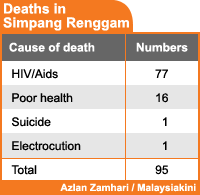 The large number of deaths related to HIV prompted Huan to ask the deputy minister for an explanation.
"The high number of deaths in Simpang Renggam is caused by diseases contracted by the inmates before they were put behind bars such as those who came in with HIV and Aids.
"When they are detained, we would conduct a medical check and keep those who are ill separate from those who are not to control the spread of disease," Fu replied.
He also said there is no proof to show that those released from Simpang Renggam turn into more violent criminals.
"We cannot use one or two cases to generalise. There is no proof or numbers to back up such claims," he added.
On Tuesday, Bung Mokhtar Radin (BN-Kinabatangan) told the Dewan Rakyat that Simpang Renggam turned amatuer criminals into professionals.
Rehabilitation programmes
Meanwhile, Fu also explained that the detention centre consists of three components:
- Jail for prisoners and remand with a capacity of 1,100 people
- Correction centre for those held under the Dangerous Drugs Act (Special Preventive Measures) Act with a capacity of 900 people
- Emergency Ordinance (EO) with a capacity of 500 people
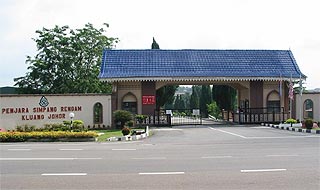 He said all detention centres, including Simpang Renggam, have rehabilitation programmes to ensure that detainees freed would have learnt their lesson.
Under the EO and Dangerous Drugs Act, the internal security minister has wide powers to order for suspects to be detained for two years. The minister's decision cannot be challenged in court.
The EO has been used over the years to detain or restrict the movement of suspected gang members and criminals - most of whom the police find difficult to bring to justice due to lack of evidence.
Instead of arresting suspects and charging them for offences under the criminal law, the police detain them in Simpang Renggam.


Are you sure you want to delete this comment?
This action cannot be undone.