




Pacific still lacking in tsunami alert systems
Pacific nations still lack sufficient systems to warn them of an impending tsunami, a UN expert warned Tuesday just days after killer waves struck the Solomon Islands following an earthquake.
Pacific nations still lack sufficient systems to warn them of an impending tsunami, a UN expert warned Tuesday just days after killer waves struck the Solomon Islands following an earthquake.
Laura Kong, director of the Hawaii-based International Tsunami Information Centre, said millions of dollars in funding since a devastating December 2004 tsunami had flowed mostly to Indian Ocean nations.
An estimated 230,000 were killed in that tsunami, which was triggered by a massive undersea earthquake off Sumatra.
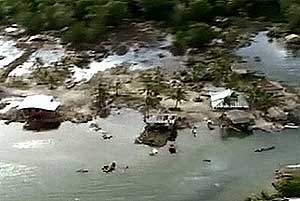 Monday's disaster in the western Solomons left at least 24 dead, according to officials there, but many are missing and thousands are homeless following the 8.0-magnitude quake and ensuing tsunami.
"We would like to see more systems in the Pacific. It is probably where it (the next earthquake) is going to happen," Kong told AFP .
"Most of the money from donor countries are being spent in the Indian Ocean. We have not seen donors' support for the Pacific."
Finding the funds
She said many nations were now better prepared to respond to such threats, in particular in Southeast Asia following the 2004 disaster.
"Thailand, Singapore, Malaysia and Indonesia are better prepared now. The locals now know what tsunami is," Kong said.
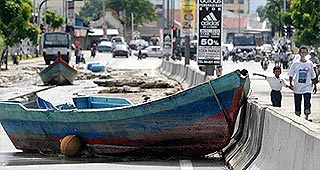 "In the last two years, some 40 places in the Indian Ocean have sea level monitoring systems in place from zero previously," she added.
Kong said the challenge faced by most countries was finding enough funds to maintain warning and monitoring systems initially funded by donor nations.
"They need to plan and budget for maintenance of the equipment to keep the systems going," she said.


