


/file/publisher-c1a3f893382d2b2f8a9aa22a654d9c97/2022/11/59e19f1abc3428b9f93184e0c215e3f4.jpg)

Focus on resolving Indian community’s issues, Klang MP urges govt
The Selangor DAP vice-chairperson said many of the seats which Pakatan Harapan and BN candidates lost involved slim majorities - lower than 1,500 votes...
Klang MP V Ganabatirau urged the federal government to examine a report suggesting a shift in support among Indian voters in the recent six state elections.
The Selangor DAP vice-chairperson said many of the seats which Pakatan Harapan and BN candidates lost involved slim majorities - lower than 1,500 votes.
“It is important to remember that some state seats that Harapan-BN lost had a rather significant percentage of Indian voters.
“For example, in Semenyih, there are many Indian voters, yet the turnout was low.
“The same trend was seen in Taman Medan, Ijok, Bukit Melawati, Sementa and several other state seats which saw Harapan-BN candidates lose with a slim majority.
“Why did this happen? One reasonable and necessary aspect to examine is the ‘protest vote’ against the federal government,” he told Malaysiakini.
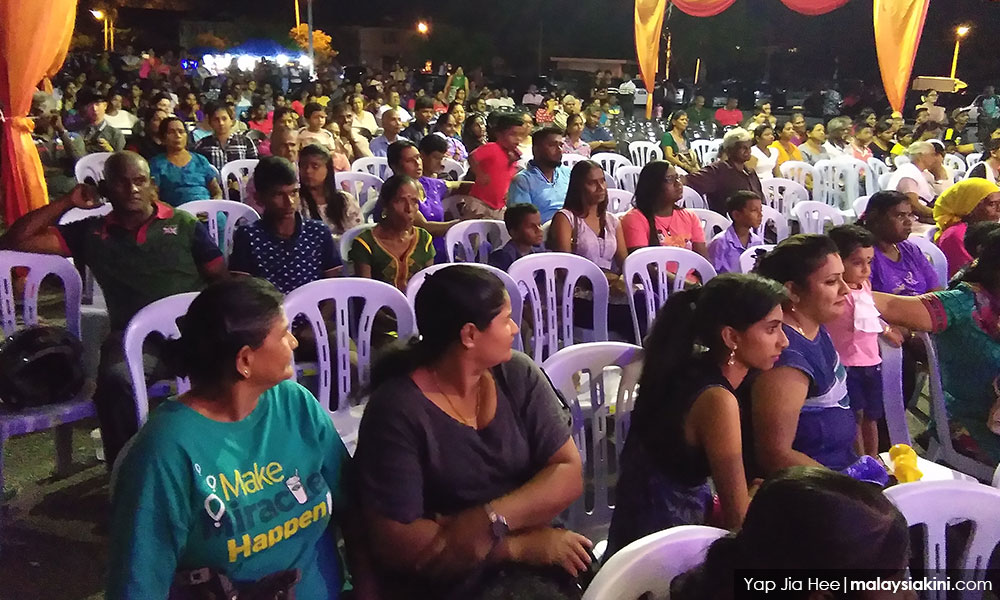
However, Ganabatirau noted that the general sentiment within the Indian community was still leaning towards supporting the unity government.
He said this was especially noticeable in areas like Pandamaran, Sentosa, Kota Kemuning and Banting.
Void in leadership
Nevertheless, he distinguishes this scenario from rural and semi-rural areas, where several issues have been identified as causing dissatisfaction among Indian voters.
“The main issue is a leadership void. Despite Harapan fundamentally advocating for the rights of marginalised communities regardless of their ethnicities, the Indian population feels they continue to be sidelined.
“This sentiment is evident when they compare the inclusion of four Indian leaders as ministers during the 2018 Harapan era with the present, and they feel there is a lack of an effective platform to raise Indian-related issues with the government,” he said.
Ganabatirau added that although an inclusive approach is commendable, it does not resonate optimally with Indian voters, who are a minority in terms of population but still constitute a significant portion of the B40 socio-economic group in the country.
As such, the Indian community is questioning the effectiveness of the initiatives aimed at helping them.
“The government is working on several initiatives in certain constituencies, yet the focus is still unclear on critical issues such as the situation of foreign workers in Indian restaurants, hairdressers and the scrap metal industry.
“This concern, in turn, has broader implications for the livelihoods of entrepreneurs and the communities dependent on them.
“The same concern is seen in matters related to Tamil schools, funding allocations to the Indian community, citizenship issues and the Security Offences (Special Measures) Act (Sosma). The federal government needs to expedite solutions for these issues,” he said.
Education issues
The DAP leader also said the ongoing debate about meritocracy and the quota systems in higher education, particularly within the non-bumiputera communities, had an impact on the recent state election results.
“I have consistently issued statements, and various parties have also highlighted the need for a quota system. I believe the Indian community understands the nature of this system which cannot be revoked.
“However, it is important to thoroughly examine specific policies that support the welfare of non-bumiputera citizens, especially Indian students in the education sector.
“I’m sure that they want an assurance that high-achieving students will not be marginalised in mainstream education,” he said.
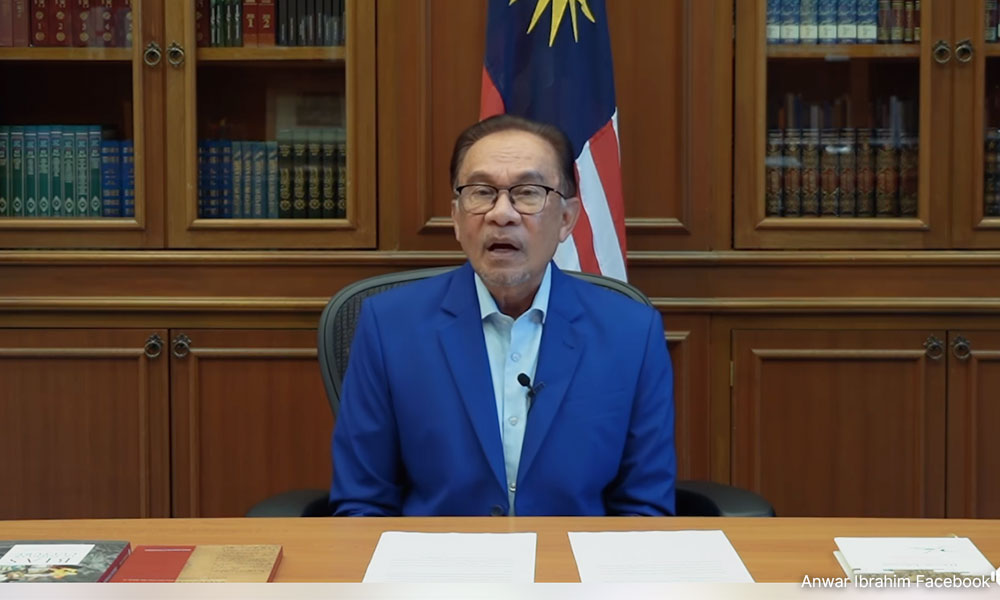
Ganabatirau said that he hopes that Prime Minister Anwar Ibrahim will guarantee fair treatment for Indian students in matters of education, social justice and the economy.
“It’s not too late to address these concerns and regain the trust and support of the Indian community.
“I am optimistic about the implementation of the Indian Action Plan and the prioritisation of the Indian community.
“What is certain is that they do not want to take away the rights of the other ethnicities. Instead, they just want their demands to be given fair and reasonable consideration,” he said.
/file/publisher-c1a3f893382d2b2f8a9aa22a654d9c97/2023/08/272d28e865340848dca3cc27a62e67d9.jpg)
/file/publisher-c1a3f893382d2b2f8a9aa22a654d9c97/2023/07/42a161264384cf1261a4b5d494fca5d6.jpg)
/file/1111/8011945b1aa510abd84065347517e690.jpeg)
/file/publisher-c1a3f893382d2b2f8a9aa22a654d9c97/2023/08/ac0c4e74b3a2a9c3f1c8e511be71446b.jpg)
/file/publisher-c1a3f893382d2b2f8a9aa22a654d9c97/2023/08/5afa3cf8ef7f93890db00f9b8868b74e.jpg)


Are you sure you want to delete this comment?
This action cannot be undone.