


/file/publisher-c1a3f893382d2b2f8a9aa22a654d9c97/2023/09/901ab2abeac3bc2cf72d51311d3362b3.jpg)

Toddler’s death by croc shows tragedy of statelessness
This is Part 4 of a Malaysia Day series on the issue of statelessness in the country.
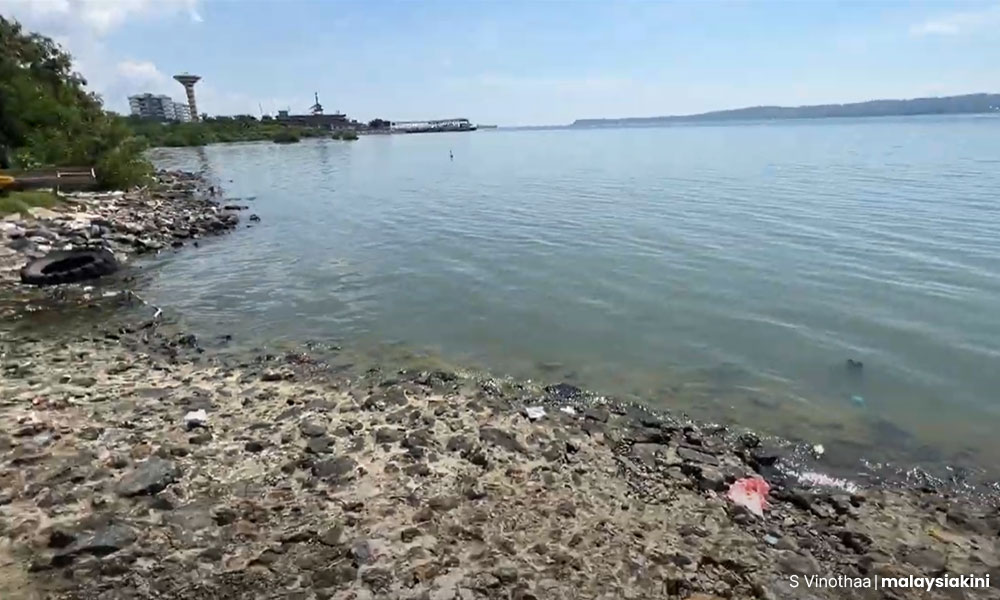
Dashing into the water at the shores of the coastal town of Lahad Datu, Sabah, foremost on Morehat Lindasani’s mind was keeping his two-year-old son safe from the immigration dragnet.
The risk of capture by enforcement officials had eclipsed any possible threat from the deep blue bay and Morehat did not expect a saltwater crocodile to be so close to the busy shoreline.
Within moments...
This is Part 4 of a Malaysia Day series on the issue of statelessness in the country.
Dashing into the water at the shores of the coastal town of Lahad Datu, Sabah, foremost on Morehat Lindasani’s mind was keeping his two-year-old son safe from the immigration dragnet.
The risk of capture by enforcement officials had eclipsed any possible threat from the deep blue bay and Morehat did not expect a saltwater crocodile to be so close to the busy shoreline.
Within moments, eyewitnesses said, the crocodile disappeared into the bay with his toddler.
By the time Morehat, who was also attacked by the crocodile, realised his son was taken, it was too late.
In a viral video captured by bystanders of the incident on Dec 1, 2022, Morehat, crying and in shock, came ashore for help.
Off-screen, a voice is heard blaming him for his son’s death: “Who asked you to run? Now (the child) has been eaten by the crocodile” (Siapa suruh kau lari tadi? Kan sudah makan buaya).
It remains unclear if the remarks came from enforcement officers who witnessed the crocodile attack, but no subsequent action has been taken to detain Morehat during or after his hospitalisation.
Malaysiakini has contacted the Immigration Department for comments.
The National Human Rights Commission (Suhakam) declined to comment pending its investigation.
Dragnet continues despite boy’s death
The injuries to Morehat’s head and body had healed when met one month later but he could barely speak about the tragedy. His responses were brief and incomplete, accompanied by vacant stares.
The official version of the incident came from Lahad Datu Fire and Rescue Department head Sumsoa Rashid. Allegedly based on eyewitness accounts, the department stated that the father and son were on a wooden dinghy when the crocodile attacked.
Sumsoa said his team was dispatched after the attack and he reported that Morehat was rescued by locals while the search for his son continued that day.
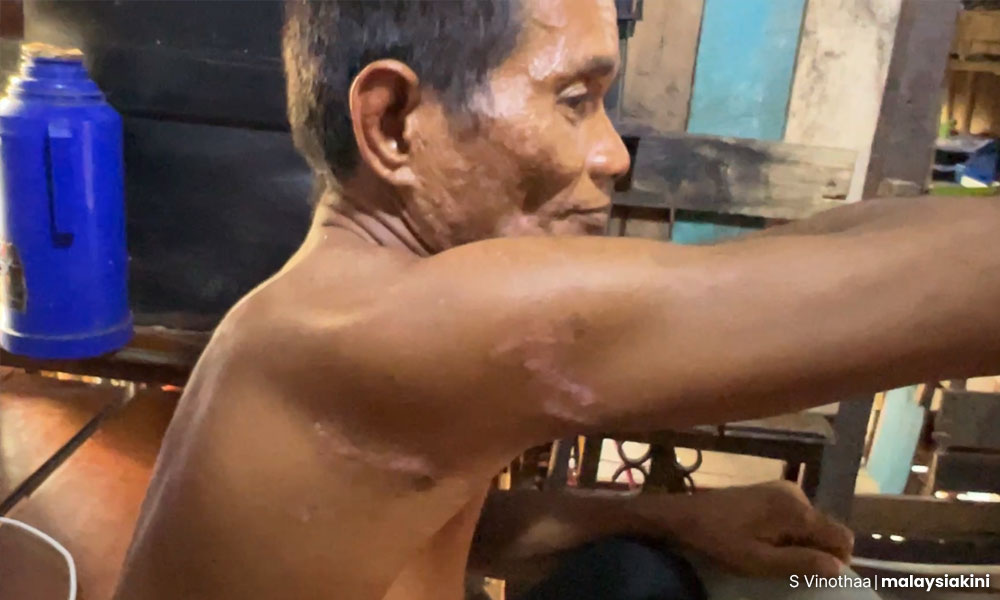
This contradicted the accounts by Morehat and other locals who spoke to Malaysiakini.
They said Morehat was treading water during and after the attack before he came ashore seeking help. Morehat said he had entered the water to get to his dinghy but was attacked before he reached the vessel.
READ MORE: Baby snatching: How stateless mums lose their infants in Sabah hospital
As news of the mauling spread over social media, Sabahans expressed their confusion and outrage, demanding an end to the crackdown.
Despite the outcry, immigration authorities stepped up raids in the following days and more arrests were made, said Bajau Laut community leader Fandry Alsao.
“They did not hit pause,” he said.
Heightened enforcement in Bajau Laut
The incident paints a grim picture of the challenges faced by stateless individuals in Sabah and the Bajau Laut community.
The Bajau Laut are nomads living off the sea. Their ancestral maritime domain stretches across the Sulu-Celebes seas, spanning across national borders.
They have been faring between sea villages in Sulu in the Philippines, Semporna in East Sabah and South Sulawesi in Indonesia, for many generations.
Despite being recognised by the Sabah government for their nomadic, seafaring lifestyle and as indigenous people of the state, most of the Bajau Laut community are stateless by law and are often hounded by the Immigration Department for being “illegal immigrants”.
Morehat, now estranged from his wife and in-laws in the neighbouring coastal town of Semporna, believes he must leave his marine dwelling due to the Bajau Laut myth against making enemies with crocodiles.
According to community folklore, if someone is attacked by a crocodile, they become a lifelong target and the reptile would continue to seek them out if they remained in its territory.
“If I live in the sea, it will find me,” he said.
Morehat hopes to be granted Malaysian citizenship, which would enable him to live safely inland but is unsure if someone like himself, who is stateless and indigenous, would be successful in obtaining Malaysian citizenship.
Project IC and a convenient scapegoat
The insecurities and concerns among the larger indigenous groups - such as the Kadazan, Dusun, and Murut (KDM) - about their political rights and sovereignty have deep roots and are often exploited at the expense of marginalised groups.
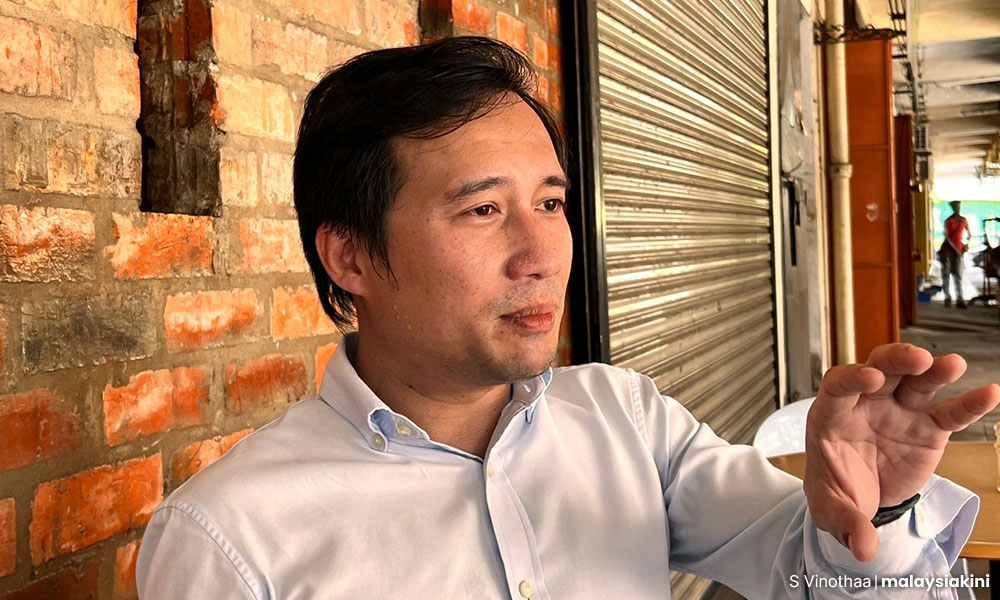
Sabah Human Rights Centre president Sherzali Asli said many Sabahans feel deprived of a better life, so they believe making stateless people citizens will only make matters worse for them.
Once enjoying a higher per capita GDP than the national average in the 1970s due to the timber boom, Sabah is now the fifth-poorest state in the country by the same measure. It is also the state with the highest level of poverty at 19.7 percent of the population.
The reasons for this are complex but are also intertwined with the state’s political and social history, including the influx of Mindanao refugees fleeing violence there in the 1970s.
Local unhappiness over this helped Parti Bersatu Sabah (PBS) - a party mostly made up of indigenous Kadazan and Dusun members - into power in 1985, the same year it was formed.
To undermine the PBS, there was an alleged federal government-linked move to alter the electoral demographics, including registering scores of migrants as citizens, key political actors testified in a Royal Commission in Inquiry decades later.
PBS fell in 1994. By then, the population had grown more than 82 percent compared to 1985 and continued growing. Today, Sabah is the third-most populous state in Malaysia with 3.1 million people.
“The population growth is obviously artificial,” said Sherzali.
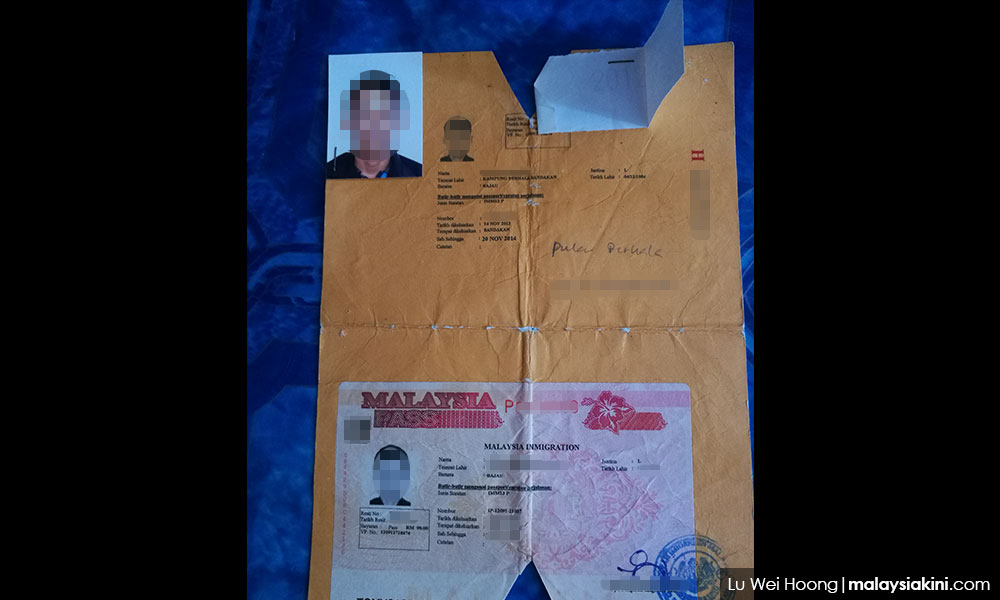
While negative sentiments against the Bajau Laut community are entangled with those against immigrants who came in the 1970s, treatment by the state has not been the same.
Those escaping the violence then were issued passes like the IMM13 card, affording them some documentation.
However, the Bajau Laut, who live in the waters and struggle to settle on land, mostly remain undocumented, excluded, poor, and ostracised.
Boats with nowhere to fish
After the mauling, Morehat relocated over 400km away from Lahad Datu with the help of local NGOs.
He now lives a discreet life with distant relatives, trying to avoid detection for immigration-related offences.
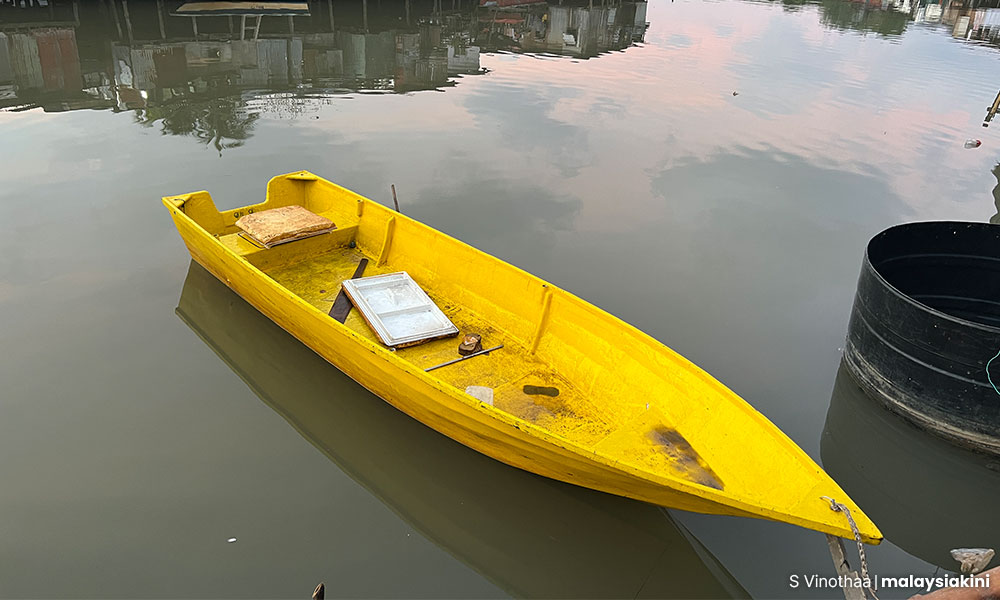
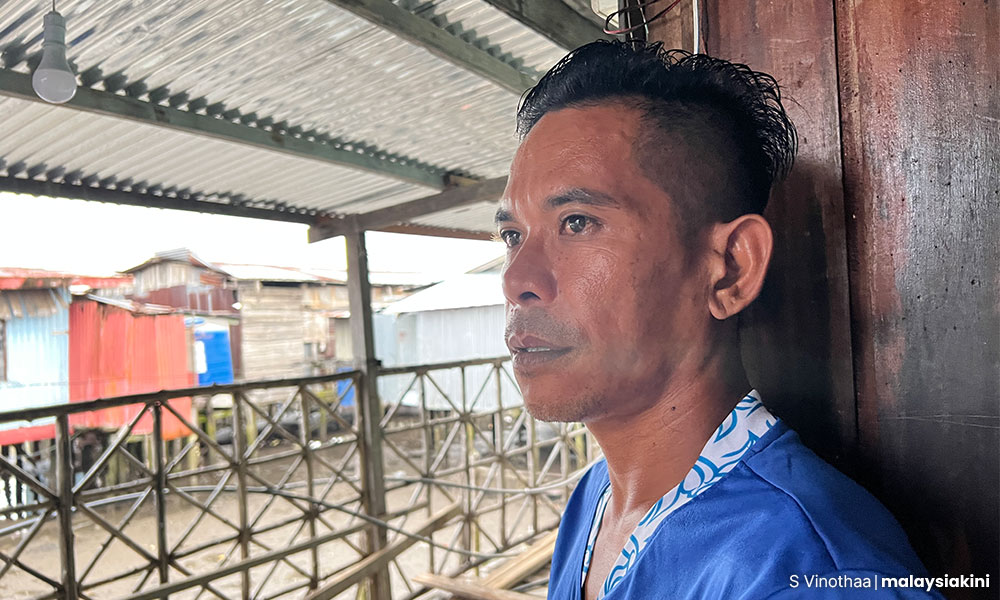
However, he is unable to use the wooden dinghy gifted to him, outside the limited area of the dark and polluted river, where his dilapidated shack stands alongside 50 or so other houses in a community consisting of people of Suluk and Bajau Laut ethnicities.
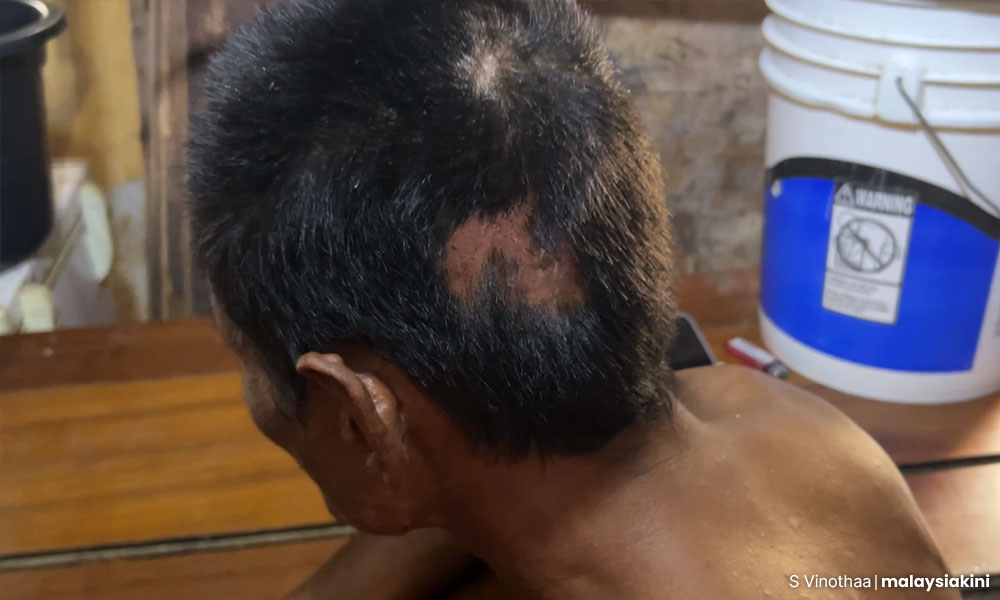
Living in constant fear of being caught, Morehat refrains from venturing out to sea on his new boat despite facing hunger.
The only form of identification he possesses is an old black and white photograph printed on a piece of paper with the Malaysian Coat of Arms at the top (below).
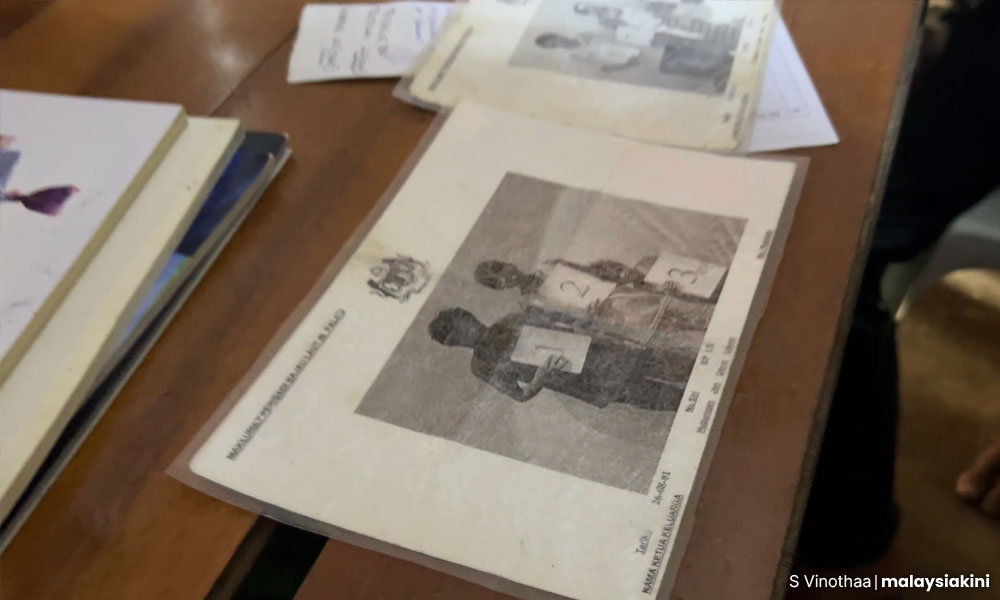
The photograph was laminated after the faces had faded. It serves as the only remaining evidence of his ancestral ties to Malaysia.
Restricted to his shack without employment or income, Morehat does not know how long he can keep his wooden dinghy.
Without documentation, he cannot register his boat and unregistered vessels are subject to confiscation by the Eastern Sabah Security Command (Esscom).
‘Ops Gasak Laut’
Esscom’s immigration operations over the last few years have pushed Bajau Laut families deeper into poverty, forcing desperate measures like scavenging for scraps.
Meanwhile, children sniff glue in a bid to stave off hunger, NGOs operating in the area told Malaysiakini.
Since 2020, Esscom has conducted immigration operations known as “Ops Gasak Laut”, resulting in the demolition of water villages and the seizure of unregistered boats in Kudat, Tawau, Semporna, and Lahad Datu.
Eviction notices are stuck to vacant shacks suspected of being used for cross-border crimes before being demolished.
Because they are undocumented, the residents of such shacks - some the size of a small room and mostly weather-worn and dilapidated - usually choose to disappear rather than risk capture.
Those wishing to reclaim their boats face a fine of RM1,500, but this is an endless cycle because without personal documentation, they can never register the boats and the vessels will be seized again in no time.
Overnight, many Bajau Laut families like those in Kampung Panji and Kampung Air in Lahad Datu, already pushed to the brink of destitution during the Covid-19 pandemic, lost their only source of income, further hindering their recovery.
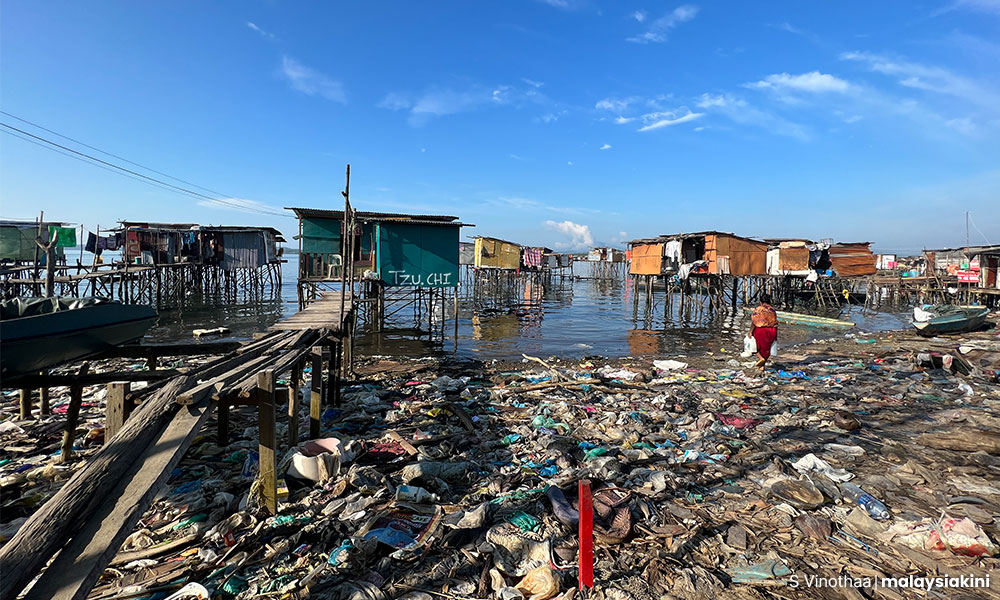
From their homes on stilts that are planted into the seabed, many villagers resorted to climbing down to scavenge for scraps they could sell despite the danger of encountering crocodiles.
The threat of homelessness
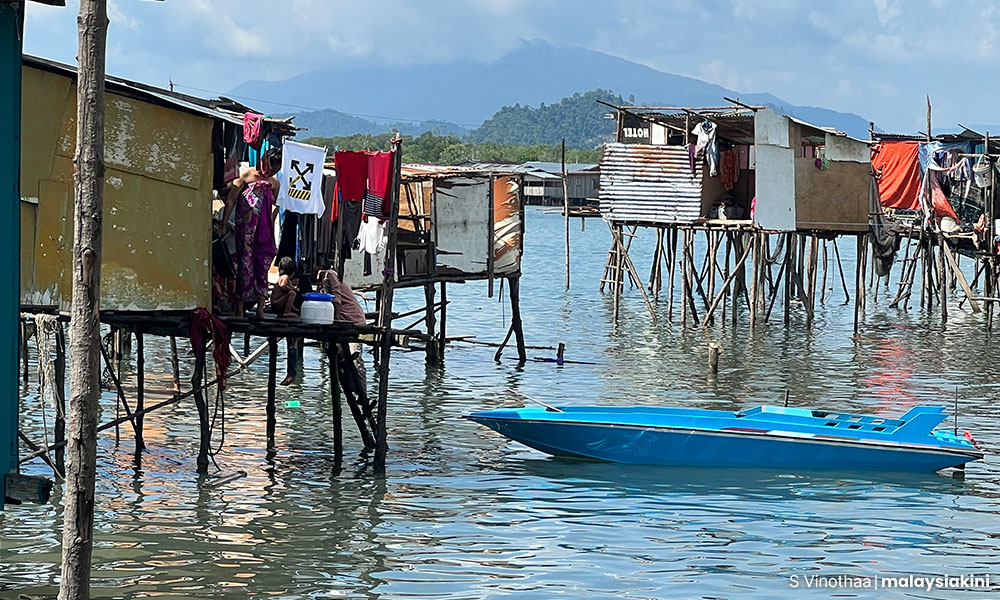
Most Bajau Laut families in Lahad Datu live in water villages consisting of houses on stilts planted into the seabed along the shoreline or on boats about 5km from the shore.
Some who live onboard moor their boats closer to the shore after dark while others continue to live rough in the town streets.
When the village demolition phase of “Ops Gasak Laut” reached Lahad Datu in April 2022, about 100 families in Kampung Panji were facing the threat of homelessness in the form of two developers.
Kampung Panji village head, Fandry, said representatives of two firms - Bumimore Corporation Sdn Bhd and Bindup Enterprise Sdn Bhd - told villagers that all structures from the shorelines up to 5m into the sea would be demolished to make way for construction.
Fandry filed an affidavit to the High Court in Tawau explaining that the municipal council together with Esscom had moved the community from the town’s streets to the coastline some 10 years ago.
They built their homes using the building materials provided by the municipality. He added that the villagers were not trespassing since the homes were in the waters off the shoreline and not on the land the companies planned to develop.
The villagers were granted a stay of execution.
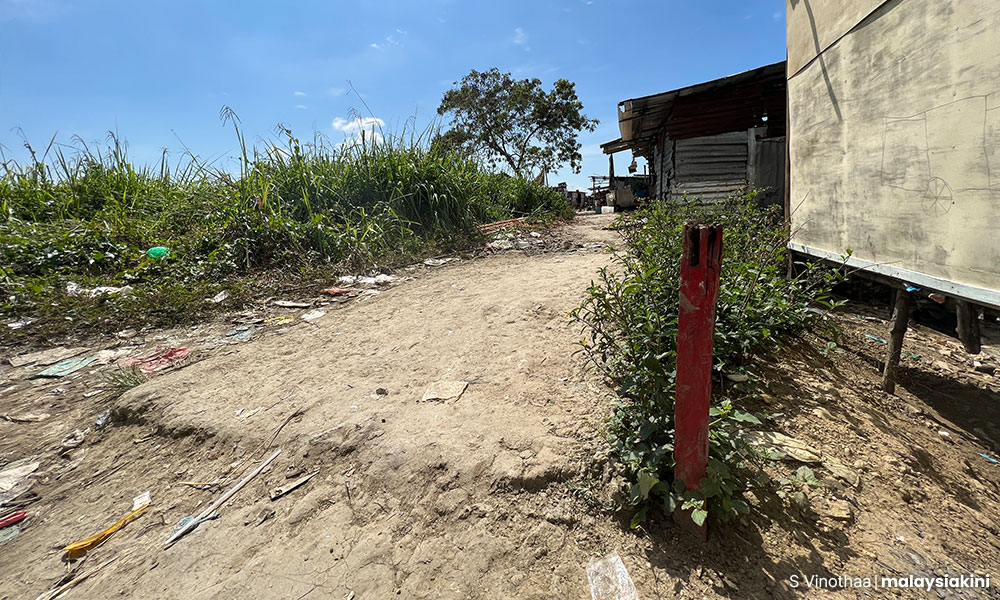
Having come from the brink of homelessness, months on, the poverty-stricken villages are still unable to repair their dilapidated homes.
Mostly a patchwork of plywood, villagers say toddlers have fallen through the wide gaps in wooden footpaths and drowned.
But these risky lodgings are all they have.
Part 1: Baby snatching: How stateless mums lose their infants in Sabah hospital
Part 2: Stateless boy with HIV dies after deprived treatment for years
Part 3: Mounting hospital bills led to stateless mother-infant murder-suicide in Sabah
Tomorrow: Generations living in landfill, Sabah stateless may soon face eviction
/file/publisher-c1a3f893382d2b2f8a9aa22a654d9c97/2023/07/be2ff074744f3c8af454b2ba7a7fdb7d.jpg)
/file/publisher-c1a3f893382d2b2f8a9aa22a654d9c97/2023/03/cff8a5b779430463151e1754e167acb4.jpg)
/file/955/81101f546c5f21f847ac58035aa42112.jpg)
/file/publisher-c1a3f893382d2b2f8a9aa22a654d9c97/2023/07/7d086bd853bb9a2880b1ec013e73451e.jpg)
/file/publisher-c1a3f893382d2b2f8a9aa22a654d9c97/2023/06/ef3f26084d30b5860b2808fc5b174318.jpg)
/file/publisher-c1a3f893382d2b2f8a9aa22a654d9c97/2020/09/228b2c4f59f5036680ed70d8c3949fce.jpg)
/file/publisher-c1a3f893382d2b2f8a9aa22a654d9c97/2023/06/6cec44937d30a96bc275b9de13cd3b55.jpg)


Are you sure you want to delete this comment?
This action cannot be undone.