


/file/publisher-c1a3f893382d2b2f8a9aa22a654d9c97/2019/11/21d6eb862d7c2ccc2b4c743a4262c8e3.jpg)

No forced acquisition of Renong, Dr M, two others contend
Former prime minister Dr Mahathir Mohamad, the government and another contended that businessperson Halim Saad was never forced to relinquish his controlling stake in troubled firm Renong Bhd in 2001.
The two parties as well as another defendant, former finance minister II Nor Mohamed Yakcop, made this contention in their statement of defence against Halim’s lawsuit.
“The third defendant (government) has never perpetrated forced take-over of the controlling shareholding stake of the plaintiff (Halim) in order to execute the general offer (GO) whether individually or with Renong Bhd...
Former prime minister Dr Mahathir Mohamad, the government and another contended that businessperson Halim Saad was never forced to relinquish his controlling stake in troubled firm Renong Bhd in 2001.
The two parties as well as another defendant, former finance minister II Nor Mohamed Yakcop, made this contention in their statement of defence against Halim’s lawsuit.
“The third defendant (government) has never perpetrated forced takeover of the controlling shareholding stake of the plaintiff (Halim) in order to execute the general offer (GO) whether individually or with Renong Bhd on the entire shareholding in UEM Malaysia Bhd (UEM).
“The acquisition of the plaintiff’s right was agreed to by the plaintiff himself with compensation of RM165 million,” the three defendants contended in the defence affirmed on Oct 6 and filed at the Kuala Lumpur High Court
On Aug 2, Halim (above) filed a writ of summons against Mahathir, Mohamed, and the government.
The plaintiff claimed that he was directed by Mahathir, directly as well as through Mohamed, not to proceed with the intended GO because the government wanted instead to acquire all the shares in UEM through a designated entity, Khazanah Nasional Bhd or a party it was to nominate.
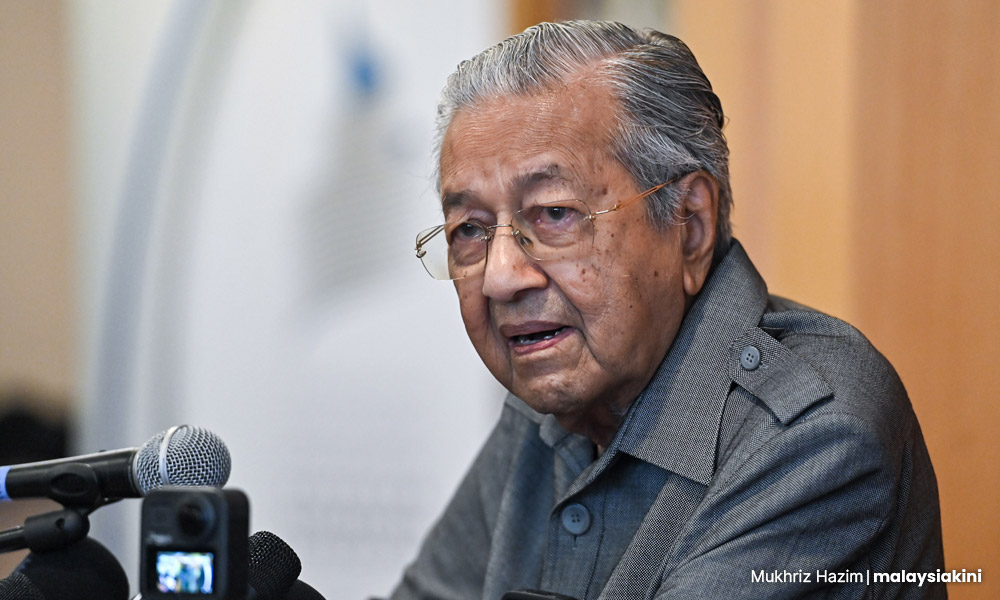
Halim claimed that this was done by virtue of Khazanah Nasional effecting a takeover of UEM at the direction of the government as part of a compulsory acquisition between July and October 2001.
Halim claimed that the acquisition affected 372 million shares in Renong and that Mahathir and Mohamed were the prime movers of the acquisition.
The veteran businessperson contended that prior to being allegedly directed to do otherwise by Mahathir, he had instead intended to make the GO on UEM, either through Renong or jointly with Renong, to take it private as a subsidiary of Renong.
He also alleged that despite receiving RM165 million from Khazanah, he contended this does not represent the true value of the vested right and Renong shares.
Halim claimed the part of the RM165 million, namely RM100 million, was to compensate him for having paid RM100 million to UEM in connection with a put option which the government then was required to lapse.
He claimed the RM65 million portion of the RM165 million was to compensate him for losses due to the foreclosure of various assets pledged by him to various financiers for the financing of the RM100 million.
Identical legal action
Meanwhile, according to the defence, Mahathir and the other two defendants further contended that Halim’s current lawsuit is barred from being filed due to an earlier failed similar legal action.
The three defendants claimed that Halim in 2013 had filed an identical legal action which had led to the Kuala Lumpur High Court dismissing it on Oct 31, that same year.
The trio claimed that both the Court of Appeal and Federal Court upheld the lower court ruling between 2014 and 2015.
“Therefore, the plaintiff’s (current) action is barred by the principles of res judicata and estoppel,” the defendants said.
Res judicata is a legal maxim meaning a thing or matter that has been finally juridically decided on its merits and cannot be litigated again between the same parties.
Estoppel is a legal principle that prevents someone from arguing something or asserting a right that contradicts what they previously said or agreed to by law.
Besides having been prime minister and finance minister, Mahathir also used to be chairperson of sovereign wealth fund Khazanah.
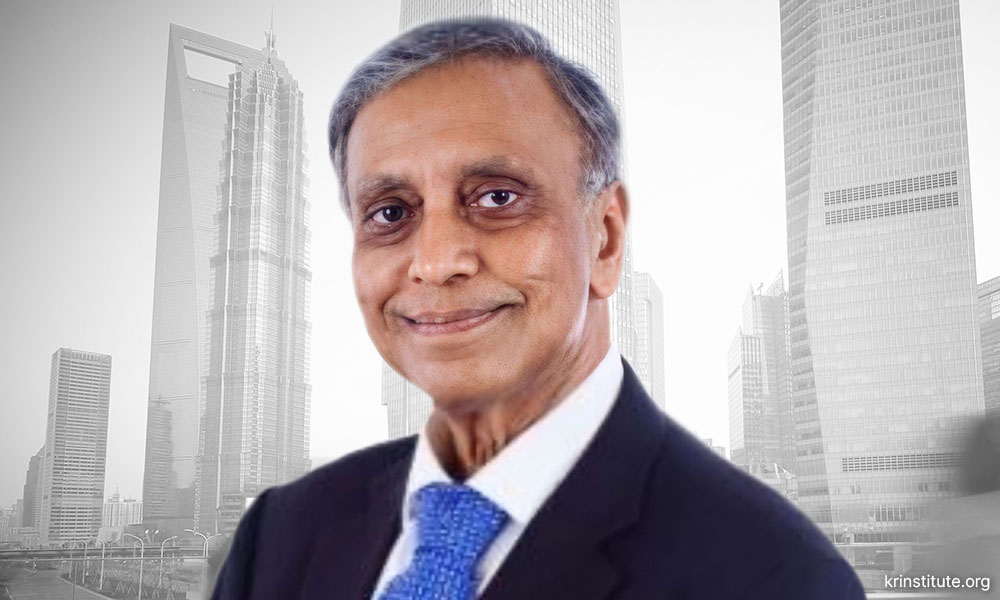
From September 1998 to April 2000, Mohamed was an adviser to Bank Negara and worked with Mahathir to address the Asian financial crisis besetting Malaysia then.
Later in 2002, Mohamed was appointed Khazanah director.
Through the lawsuit, Halim is seeking declaratory reliefs as well as a remedy for alleged violation of his fundamental liberties under Articles 13 and 8 of the Federal Constitution.
Article 8 enshrines equality and entitlement to equal protection before the law, while Article 13 provides the fundamental right to property.
Among the relief sought by Halim is a declaration that the government was obliged to provide him adequate compensation for the acquisition.
Halim is represented by counsel from law firm Malik Imtiaz Sarwar.
Mahathir and the other two defendants are represented by the Attorney-General’s Chambers (AGC).
/file/publisher-c1a3f893382d2b2f8a9aa22a654d9c97/2019/11/21d6eb862d7c2ccc2b4c743a4262c8e3.jpg)
/file/publisher-c1a3f893382d2b2f8a9aa22a654d9c97/2023/05/d85812564eaf82a27711117f572f6a01.jpg)


Report this comment
Are you sure you want to delete this comment?
This action cannot be undone.