


/file/publisher-c1a3f893382d2b2f8a9aa22a654d9c97/2023/12/a42ee1e941a4cb07a9f3b10d6661c780.jpg)

Doctors Without Borders shares Rohingya’s pain in animated film
This animated film also celebrates their resilience.
'Lost at Sea' is based on the experience of Muhib, a Rohingya man who fled Myanmar and made a dangerous journey across the sea to seek safety in Malaysia.
He was stranded for more than two weeks on board a fishing boat in the Andaman Sea full of men, women and children also fleeing for their lives.
He also witnessed 27 people die on board, and their bodies had to...
Médecins Sans Frontières (MSF) or Doctors Without Borders launched a short animation film titled “Lost at Sea” on Dec 2, giving us a glimpse of the harsh reality Rohingya refugees endure as they try to seek safety.
This animated film also celebrates their resilience.
‘Lost at Sea’ is based on the experience of Muhib, a Rohingya man who fled Myanmar and made a dangerous journey across the sea to seek safety in Malaysia.
He was stranded for more than two weeks on board a fishing boat in the Andaman Sea full of men, women and children also fleeing for their lives.
He also witnessed 27 people die on board, and their bodies had to be put into the sea as no help arrived.
In the film, in dream-like flashbacks, Muhib is haunted by a song his mother sang to him as a child in Myanmar as he tries to remember the reasons that forced him to flee in the first place.
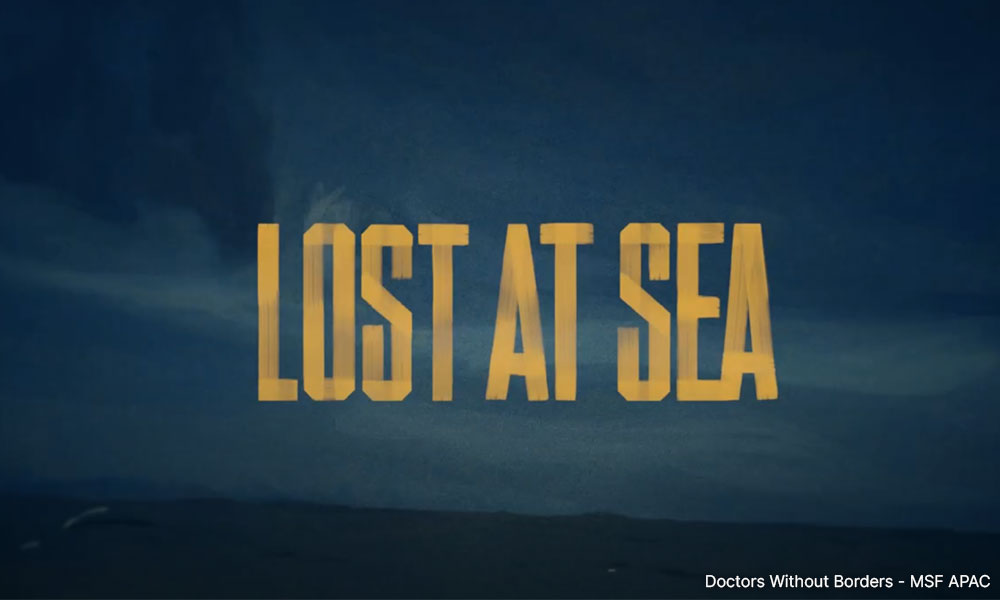
This short film uses simple visuals. The song Muhib’s mother sings and some minimal dialogue helps carry this heart-breaking story across.
In 2022, MSF released a film called “Selfish” showing what their teams across the world had to deal with during the pandemic.
Paul Brockmann, 61, MSF's regional director, told Malaysiakini that the idea was conceived before that.
“It came from right here (Malaysia), from our colleagues who spoke to this man who worked for us in 2019 and 2020.
“They told me that his story was so compelling that it melted their hearts. I hope people will like it,” said Brockmann, who paid tribute to his colleagues here whom he said do great work.
Brockmann, who has been with MSF for 19 years, is based in Amsterdam but oversees operations in Bangladesh, Iraq, Malaysia, Myanmar and Nigeria.
Mental health a serious issue
According to Brockmann, mental health is one of the serious issues that Rohingya refugees face as a vast majority of them live in fenced camps with severe movement restrictions.
They also face limited opportunities for employment and education.
Those in the Bangladeshi refugee camps also experienced significant levels of violence. Desperation forces them to take this risky sea journey.
Since 2017, MSF has provided mental health consultations to over 140,000 Rohingya patients in Bangladesh. Since 2021, the number of people treated at their hospitals in Bangladesh after attempting suicide has doubled.
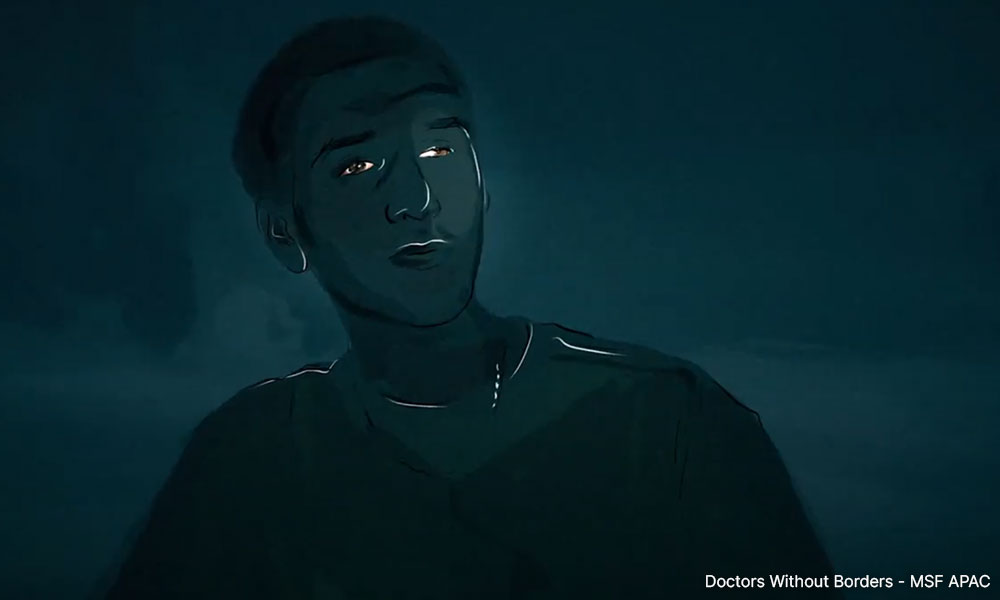
These refugees also fall victim to human traffickers. There are also many cases of children being abducted and families are forced to pay a ransom for their return.
Unlike other refugees across the world, the Rohingya's plight is compounded by the denial of their citizenship in Myanmar - which renders them stateless in their own country.
Therefore, they are unable to get identification documents and passports and they have no legal means to cross international borders.
This is why they are willing to risk their lives to get on rickety boats to seek asylum in another country or rely on human trafficking networks that put them at great risk.
Desperate for a home
In November, five boats carrying 866 Rohingya refugees landed in parts of Aceh, but two boats were turned away by villagers. They were only allowed to come ashore after urgent appeals by the United Nations High Commissioner For Refugees (UNCHR).
“In Malaysia, we hear stories of Rohingya refugees being bullied by locals and treated as though they are lesser humans. No one asks to be put in the situation they are currently in,” Brockmann said.
Brockmann was at the Rohingya refugee camps in Bangladesh between 2018 and 2020.
When asked how vulnerable these refugees are to outbreaks of disease in crowded camps, Brockmann said: “I think pretty much any sort of densely concentrated population centre such as cities and certainly refugee camps can lead to greater spread of some diseases.
"The challenge that we saw earlier in 2017 was relatively frequent outbreaks of some unusual diseases, to which Rohingya living in Myanmar hadn't been exposed, such as chickenpox. In the US where I grew up, children get it and it is not very serious.
“We had adults coming down with that when I first worked there between 2018 and 2019. Diphtheria was a threat too. Vaccinations have generally caught up.”
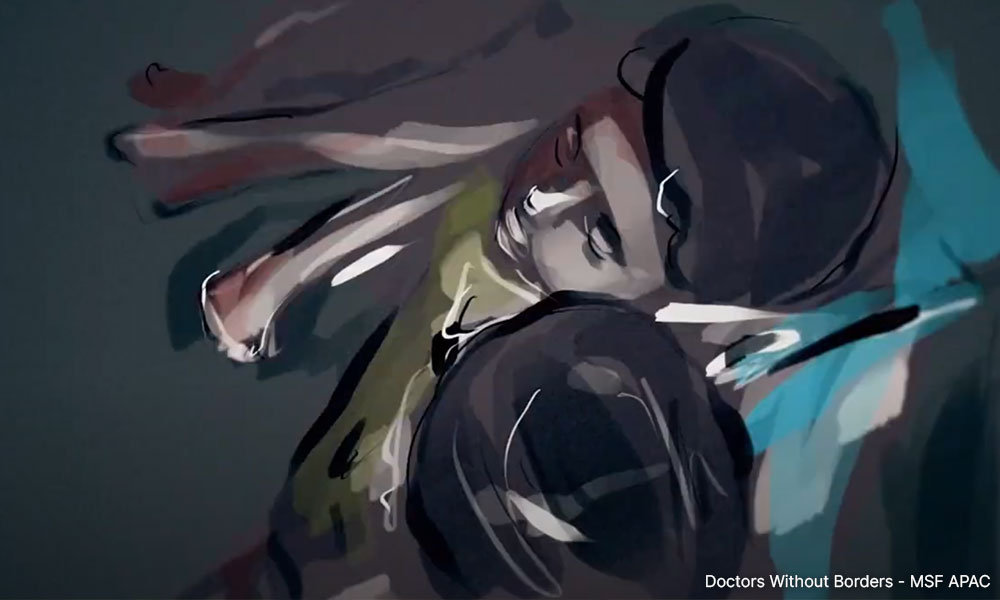
While there have been some good vaccination campaigns, outbreaks are still a risk, especially waterborne diseases.
“So we’ve seen cholera, acute watery diarrhoea and scabies outbreaks. Scabies is not a deadly disease, but it's a completely undetectable disease. It's a bit like bed bugs. It's just very uncomfortable.
“It's completely avoidable with sufficient provision of water, sufficient provision of salt and clean bedding space for people to air their bedding out.
"These aren't available to people living in such a cramped and dense campsite where health, water and sanitation are not provided in a dignified manner for more or less a million people who have no choice but to live there.”
Public needs to be educated
Brockmann said the public need to be educated on the unique challenges faced by Rohingyas.
“The idea of really educating people about the consequences of not being able to go home is really important.
“The consequences of not knowing whether your children will get an education and be able to develop a professional career,” said Brockmann, who then related the story of a young Rohingya man he met at a camp over a year ago.
The young man said that he admired the work that doctors do, and although he wanted to become a doctor himself, he knew he would never get the education that he needed.
“I find that such a waste of human potential and I just think it's wrong. The global system has rendered this population dependent on it.
“The global system needs to do good for this population. They've been rendered dependent on aid because there's no place where they can live,” Brockmann lamented.
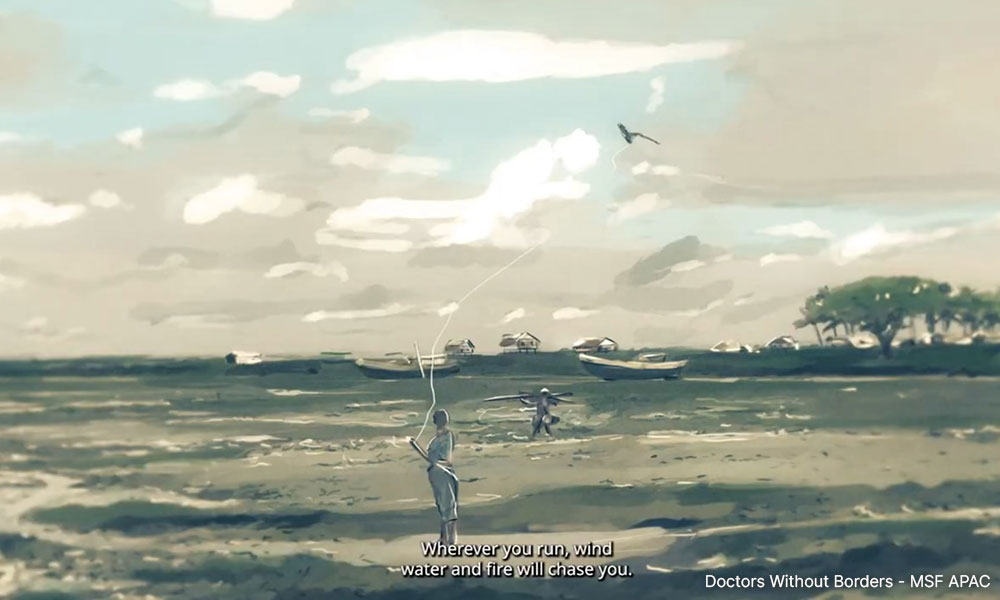
Nobel Peace Prize winner Aung San Suu Kyi turned a blind eye to the Rohingya’s plight when she was in power, but the military that overthrew her government is even worse.
Brockmann said that access to general healthcare in Myanmar since Feb 2021 has been harder for most people in the country. However, he noted that it has stabilised recently.
“In the last couple of months, we've seen a significant increase in violence in Rakhine. That's the original home from which the Rohingya had to flee in 2017 and other ways. Violence there meant that we had to suspend most of our clinics for security reasons.
“That also means patients won't be able to come to our clinics. A very similar situation happened around this time last year.
"There was another offensive fighting between ethnic armed organisations and then the military of Myanmar,” Brockmann explained.
To get on a boat to travel to a far-off country and end up being treated badly is not something anyone looks forward to and based on what Brockmann has seen, he said many have regretted taking that journey.
However, he reminded the public that like any other refugee or immigrant around the world, the Rohingyas just want the opportunity to build a future and raise a family for themselves.
/file/publisher-c1a3f893382d2b2f8a9aa22a654d9c97/2023/11/8200bfc19ee76c8767c3d7b7e08326ee.jpg)
/file/publisher-c1a3f893382d2b2f8a9aa22a654d9c97/2023/11/9f49e374a6f76fe523c569531bc0f1cb.jpg)
/file/publisher-c1a3f893382d2b2f8a9aa22a654d9c97/2023/10/b1ac5d792120ae60a591e945a58f6485.jpg)
/file/publisher-c1a3f893382d2b2f8a9aa22a654d9c97/2023/08/847284e9dcd28d551f1b58eaeafa24b5.jpg)


Report this comment
Are you sure you want to delete this comment?
This action cannot be undone.