


/file/publisher-c1a3f893382d2b2f8a9aa22a654d9c97/2024/04/da276543dab305eaba7da88a65bbc05f.jpg)

Don't underestimate corruption, even small dept can leak RM2b: PM
“People who underestimate the issue of corruption forget that in the special team of a small department, it can still cause a loss of almost RM2 billion to the country,” he said...
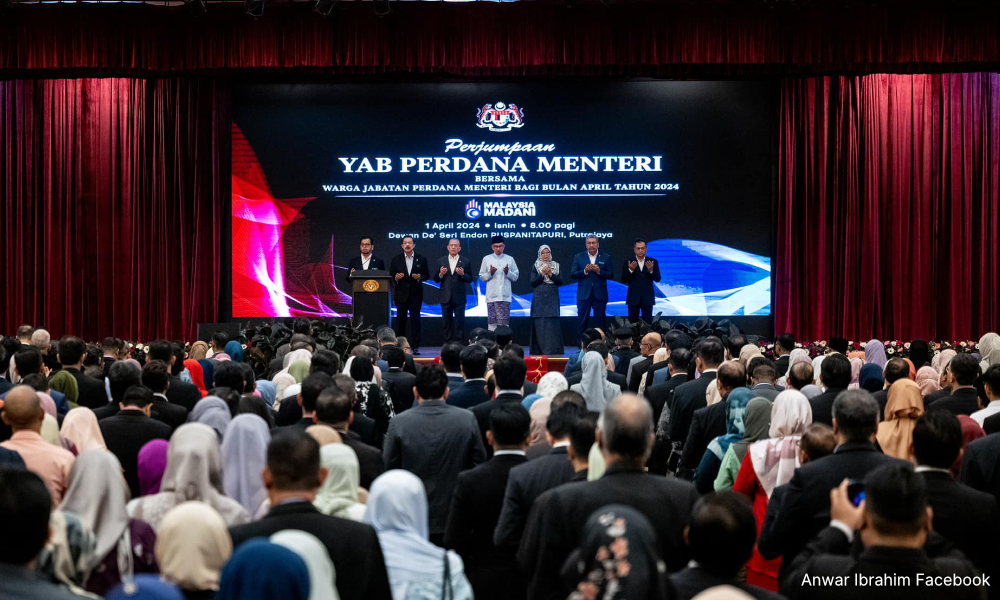
Prime Minister Anwar Ibrahim said corruption should not be underestimated, citing the loss of nearly RM2 billion caused by Customs officials involved in smuggling.
“People who underestimate the issue of corruption forget that in the special team of a small department, it can still cause a loss of almost RM2 billion to the country,” he said during his monthly address to the Prime Minister’s Department this morning.
Anwar was commenting on MACC’s revelation last Friday that a smuggling syndicate involving members of the Customs Department at the Kuala Lumpur International Airport (KLIA) cargo terminal had caused RM2 billion in losses over the past three years.
The losses would be even higher if leakages of diesel and cooking oil were also taken into account, the prime minister said as he lamented that tens of billions of ringgit could have been saved.
However, he divulged that enforcement bodies such as the MACC have assured him that senior officers in the government are keeping away from abuse of power and corruption.
Blanket subsidies
Anwar said the losses were due to blanket subsidies given not only to Malaysians but also to foreigners who come to the country to enjoy them.
“Because of that, enforcement is important,” he stressed.
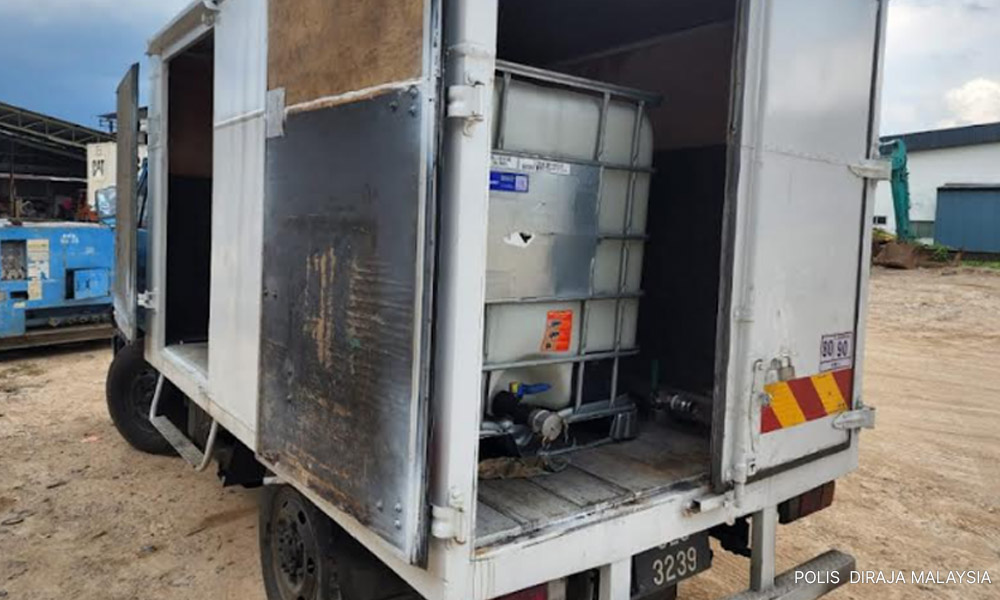
He described how enforcement officers at the borders have learnt to identify vans and lorries with large tanks beneath them to store oil.
He went on to stress the importance of targeted subsidies to ensure these are enjoyed by people who truly need them.
The prime minister also defended the recently implemented SST hike as many exemptions were given.
He admitted there was a “slight effect” as a result of the hike, such as traders who took advantage of it to raise prices.
The cost of certain items, however, is lower now compared to before the 15th general election, he said.
Chicken costs around RM9 per kg now but it was RM13 per kg back then, he added.
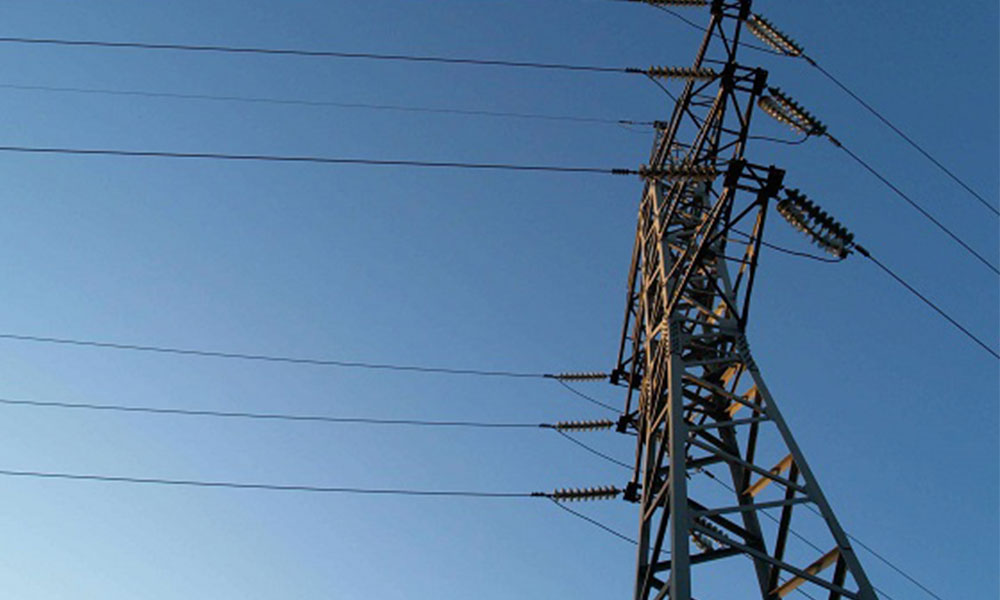
Anwar also upheld the higher electricity tariffs introduced on Jan 1, saying that 85 percent of consumers have not been affected.
Besides that, he said early reform measures, such as the Fiscal Responsibility Act 2023, have borne fruit in the form of investments and validation from other countries.
“As such, it can be seen that there is will to implement a programme for change,” he added.
/file/publisher-c1a3f893382d2b2f8a9aa22a654d9c97/2023/07/500cff3465fd7c31cdbdc932a0b5f11e.jpg)
/file/publisher-c1a3f893382d2b2f8a9aa22a654d9c97/2023/02/17a31e67a3a9fc13c1000fe338b27c2c.jpg)
/file/1284/e8dccc41c99902c6a4a564c9eaceb572.jpeg)
/file/publisher-c1a3f893382d2b2f8a9aa22a654d9c97/2020/10/05cc3403db1fe1e99fe5e81a3416e291.jpg)


Are you sure you want to delete this comment?
This action cannot be undone.