


/file/publisher-c1a3f893382d2b2f8a9aa22a654d9c97/2024/04/94de25f6f149649e227fc54b9522a81f.jpg)

Bar says proposed constitutional amendment won't help Orang Asli
The Malaysian Bar has criticised the proposed constitutional amendment that would place Orang Asli's welfare under the joint responsibility of federal and state governments.
In a statement, its president Mohamad Ezri Abdul Wahab said the proposal by Cameron Highlands MP Ramli Mohd Nor could complicate efforts to protect and recognise Orang Asli's rights and resources in Peninsular Malaysia.
“There are sufficient federal powers to...
The Malaysian Bar has criticised the proposed constitutional amendment that would place Orang Asli's welfare under the joint responsibility of federal and state governments.
In a statement, its president Mohamad Ezri Abdul Wahab said the proposal by Cameron Highlands MP Ramli Mohd Nor could complicate efforts to protect and recognise Orang Asli's rights and resources in Peninsular Malaysia.
“There are sufficient federal powers to resolve Orang Asli land issues. Examples of laws and policies that have been passed through the aforementioned National Land Council include the National Land Code and, more pertinently, the policy on Orang Asli land titles in 2009.
“We believe that shifting Orang Asli matters to the Concurrent List as proposed would not add much value to the law since each State can still act independently in respect of such matters,” said Ezri (above).
The Concurrent List is part of the Constitution’s Ninth Schedule, which lists matters that are under both the federal and state government’s jurisdiction. Other parts of the schedule list matters that are exclusively under the purview of the state or federal governments.
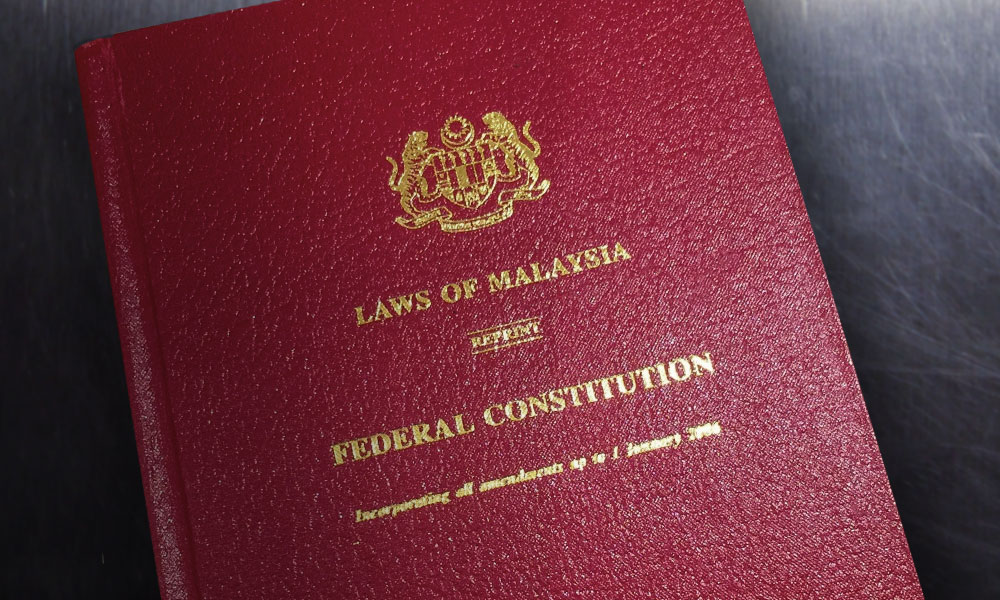
Among others, it places Orang Asli welfare under federal jurisdiction, while land matters are decided by the state governments.
Last month, Bernama quoted Ramli claiming that Orang Asli land matters are affected by the division or responsibilities between the federal and state governments and proposed moving Orang Asli affairs under the Concurrent List to resolve this.
The proposal is scheduled to be tabled in Parliament by 2027.
However, Ezri countered that Article 83 of the Federal Constitution allows the federal government to acquire land from states for federal purposes, including those related to the Orang Asli.

“Additionally, under Article 91 of the Federal Constitution, the federal government has the constitutional powers to pass land policies across Peninsular Malaysia through consensus with state governments at the National Land Council,” he explained.
Previously, the Peninsular Malaysia Orang Asli Villages Network had also disputed Ramli’s diagnosis of the Orang Asli’s customary land woes, saying various legal avenues can be used by federal and state governments to recognise Orang Asli land.
/file/publisher-c1a3f893382d2b2f8a9aa22a654d9c97/2024/08/126698994e656f60e3a037afdcc6b353.jpg)
/file/publisher-c1a3f893382d2b2f8a9aa22a654d9c97/2024/08/383a158a3feb6739d6d8167e6818bfdb.jpg)
/file/publisher-c1a3f893382d2b2f8a9aa22a654d9c97/2021/03/8aafc10d9a9812e2b0207a51a89c39c8.jpg)
/file/publisher-c1a3f893382d2b2f8a9aa22a654d9c97/2024/07/e8553f9cac9a74b55071a9cf7e591d92.jpg)
/file/publisher-c1a3f893382d2b2f8a9aa22a654d9c97/2024/07/05e67c9436a7712b854a7f10fdcc6b40.jpg)


