


/file/publisher-c1a3f893382d2b2f8a9aa22a654d9c97/2021/10/1354fc06e395b0d6c20ee9c9dd1b8a89.jpg)

Increase minimum wage by 65pct in 10 years, economist says
He said to balance workers’ needs with business requirements and broader economic considerations, the minimum wage needs to be increased by 65 percent over the next 10 years.
“This approach aims to...
The minimum wage must be fine-tuned further to effectively improve the lives of low-income earners, said Universiti Sains dan Teknologi Malaysia economist Barjoyai Bardai.
He said to balance workers’ needs with business requirements and broader economic considerations, the minimum wage needs to be increased by 65 percent over the next 10 years.
“This approach aims to balance the needs of workers with employers’ concerns over rising business costs.
“However, some experts believe the minimum wage should be raised more significantly to provide a truly sufficient income to cover the cost of living,” Barjoyai said in a statement.
During the tabling of Budget 2025 on Oct 18, Prime Minister and Finance Minister Anwar Ibrahim announced an increase of the minimum wage from RM1,500 to RM1,700 per month, effective Feb 1, 2025.
The government also decided to delay the implementation of the minimum wage for employers with fewer than five employees to Aug 1, 2025.

Barjoyai suggested that adopting a Universal Pay Policy could ensure that minimum wage levels are sufficient to cover living costs for workers in high-cost urban areas like Kuala Lumpur.
He explained that the government could also offer tax incentives to small businesses and help offset increased labour costs.
“Exempting young, inexperienced workers from minimum wage requirements may also be necessary, as they are often at the beginning of their careers and focused on gaining valuable work experience, which could be more beneficial for their long-term career development than a higher starting salary,” he said.
He also said the government should enforce the minimum wage policy by conducting regular workplace inspections and penalising violations.
Benefitting migrant workers
Barjoyai added that a minimum wage increase would likely benefit migrant workers more, as they typically accept the established wage rate upon arrival in Malaysia.
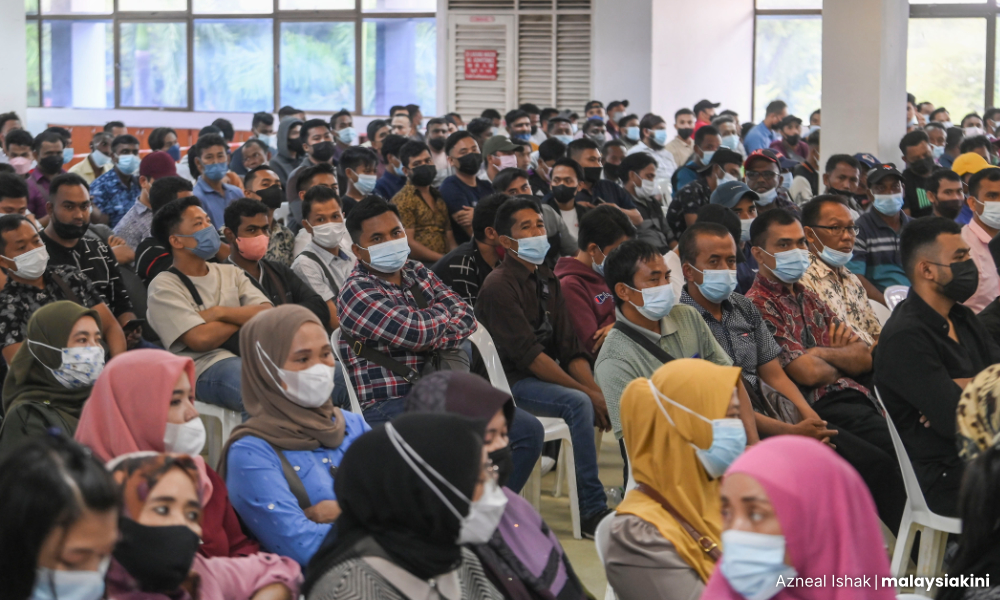
They also tend to maintain a similar lifestyle and cost of living to what they had in their home countries, he added.
“Every additional portion of their wages will be seen as a bonus, which they will send back to their home countries. Over RM70 billion is remitted abroad each year.
“It is estimated that for every RM100 increase in the minimum wage, approximately RM4 billion will be transferred out of the country. Thus, a RM200 increase in the minimum wage is expected to boost remittances by RM8 billion.”
However, he said the currency outflow could be limited as the government introduced the Employees Provident Fund (EPF) contribution system for migrant workers.
This consists of migrant workers contributing 11 percent of their salary to the EPF while their employers must contribute an additional 13 percent.
Minimum wage not a starting salary
Meanwhile, Human Resources Minister Steven Sim Chee Keong recently advised employers not to use the new minimum wage as a starting salary for all employees, including graduates.
Sim highlighted that the increase in the minimum wage from RM1,500 to RM1,700 was intended for basic workers with low academic qualifications and skill levels, including those in 3D jobs (dirty, dangerous, and difficult).
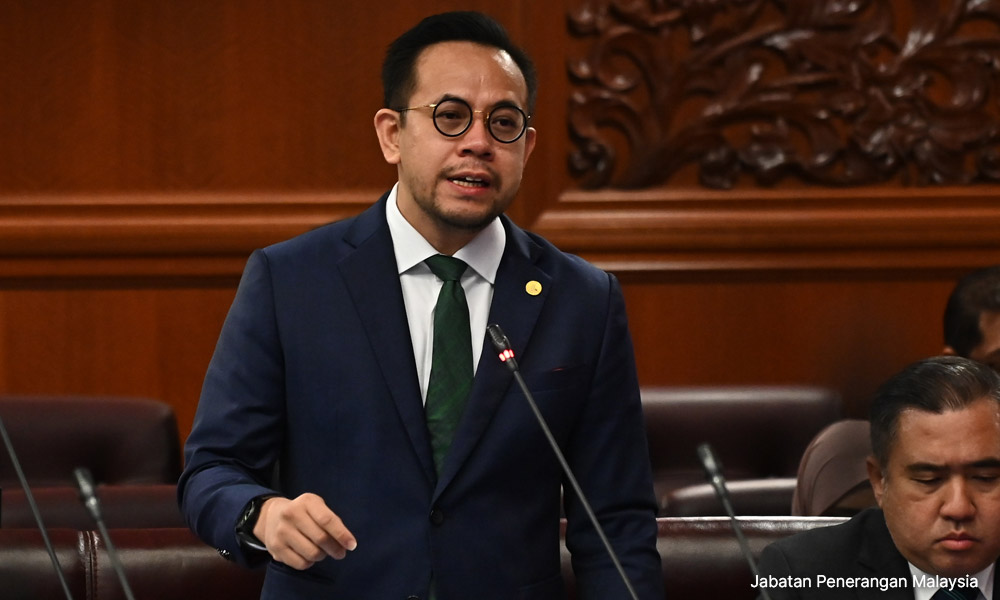
“We recommend that employees be compensated fairly based on their skills or academic qualifications. The minimum wage should not serve as a baseline for starting salaries across all employee groups.
“This adjustment targets the most basic level of workers, namely the 4.35 million of whom are still earning below RM1,700,” he said.
Sim added that the adjustment period provided is reasonable and sufficient.
He also urged anyone, especially employees aware of labour law violations, including those related to the minimum wage, to report them to the Human Resources Ministry, particularly the Labour Department.
The minimum wage increase, he noted, is not intended to burden employers; rather, it aims to enhance workers’ purchasing power, which will indirectly boost economic benefits for local entrepreneurs and small businesses.
- Bernama
/file/publisher-c1a3f893382d2b2f8a9aa22a654d9c97/2024/09/6fceb59a2b8017ff526645f60253af12.jpg)
/file/publisher-c1a3f893382d2b2f8a9aa22a654d9c97/2024/10/6d1a335acc3d83a47dfa7a0db380bcfd.jpg)
/file/publisher-c1a3f893382d2b2f8a9aa22a654d9c97/2023/10/facc0566f19b60040e43510088faa516.jpg)
/file/publisher-c1a3f893382d2b2f8a9aa22a654d9c97/2023/07/a73bf847b63cce331f0f3cf70ed493d6.jpg)


Report this comment
Are you sure you want to delete this comment?
This action cannot be undone.