


/file/publisher-c1a3f893382d2b2f8a9aa22a654d9c97/2020/06/f157fe876f28f156b981e1861826bc0d.jpg)

MCCBCHST: Non-Muslim affairs minister proposal not against Islam
The proposal for a non-Muslim affairs minister is not disrespectful to Islam, the Malaysian Consultative Council of Buddhism, Christianity, Hinduism, Sikhism, and Taoism (MCCBCHST) said.
It added that the proposal also doesn’t run afoul of the Federal Constitution as critics allege.
Summary
Interfaith group MCCBCHST says merely proposing for there to be a non-Muslim affairs minister can't be considered as being disrespectful to Islam.
It adds that the Federal Constitution’s provisions about Islam - as interpreted by the courts - only cover rituals and ceremonies, an interpretation upheld by the Federal Court in the past.
The proposal for a non-Muslim affairs minister is not disrespectful to Islam, the Malaysian Consultative Council of Buddhism, Christianity, Hinduism, Sikhism, and Taoism (MCCBCHST) said.
It added that the proposal also doesn’t run afoul of the Federal Constitution as critics allege.
The proposal by Raub MP Chow Yu Hui had sparked outrage among Muslim politicians, who argued among others that it would undermine Islam’s position in the country.
The cabinet later rejected the proposal, with Prime Minister Anwar Ibrahim saying that the current set of cabinet portfolios is sufficient to meet the needs of all Malaysians.
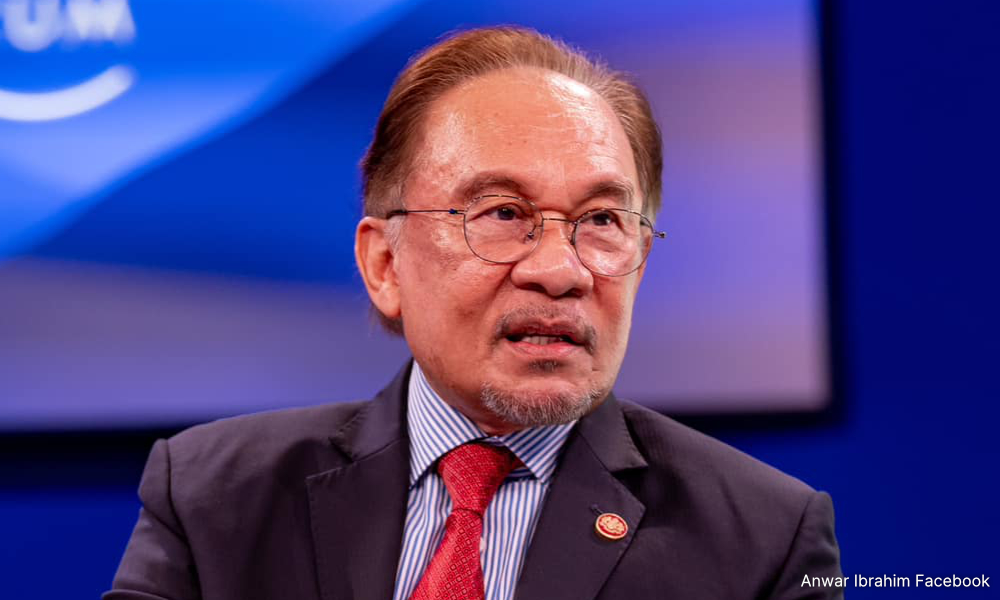
In a statement today, the MCCBCHST said it would not comment on the necessity for a non-Muslim affairs minister but defended the proposal.
“The MCCBCHST is of the view that merely proposing for the appointment of a minister of non-Muslim affairs - although MCCBCHST does not wish to make any comment on its need - cannot be equated as disrespect to Islam.
“Further, MCCBCHST wishes to reiterate that it fully supports the position of ‘Islam as the religion of the Federation (Article 3(1) of the Federal Constitution), the ‘special position of the Malays and natives of any of the states of Sabah and Sarawak’ (Article 153), the Yang di-Pertuan Agong and state rulers, (Articles 32 and 38), and the position of the ‘National Language shall be the Malay Language’ (Article 152),” it said.
Legal precedent
The group then cited legal precedents by the previous Supreme Court - which were upheld in recent cases.
Specifically, they cited the 1988 case of Che Omar bin Che Soh V Public Prosecutor, in which five Supreme Court judges unanimously ruled that the term “Islam” under Article 3 refers only to the ritual and ceremonial aspects, and not Islam as a way of life.
This is because at the time the Federal Constitution was being drawn up, Islamic law as the framers would have viewed it, was confined to issues of marriage, divorce, and inheritance.
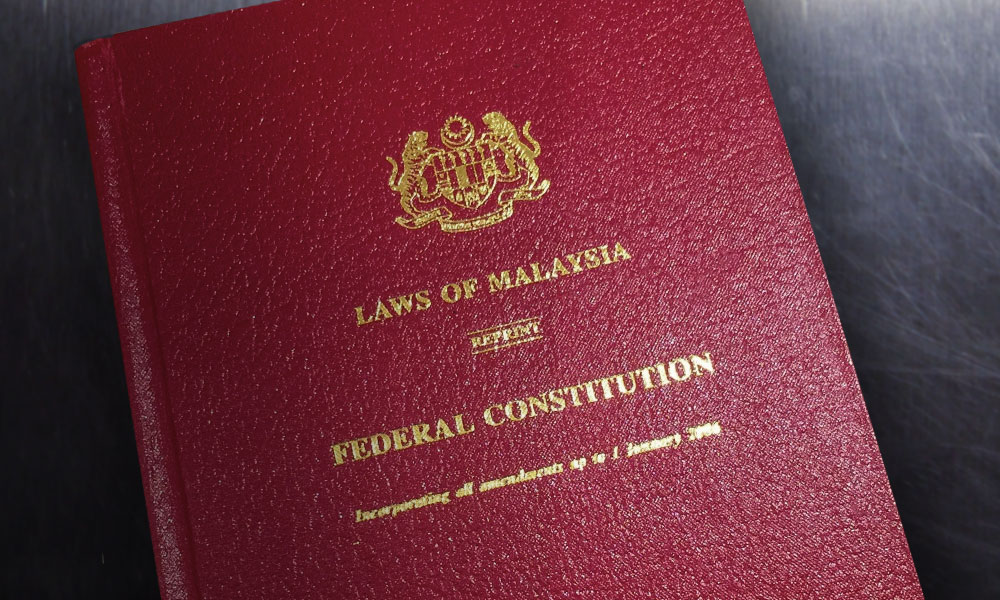
The Supreme Court had argued then that otherwise there would have been a provision voiding any laws that contradicted Islam.
Further, MCCBCHST points out that Article 3(4) limits Article 3 to itself, by stating that it would not derogate any other provisions in the Federal Constitution.
As such, the MCCBCHST argued that Article 3 can’t be used to dismiss a proposal for there to be a non-Muslim affairs minister.
The group hoped that the government would take steps to teach the Constitution in schools.
/file/publisher-c1a3f893382d2b2f8a9aa22a654d9c97/2025/02/6692f3d63a9468de9e15e10f05c0d75f.jpg)
/file/publisher-c1a3f893382d2b2f8a9aa22a654d9c97/2025/02/1d308a144e1cd3621885d85c818d5230.jpg)
/file/publisher-c1a3f893382d2b2f8a9aa22a654d9c97/2025/02/029e097cae275f7c1f3db543121c2987.jpg)
/file/publisher-c1a3f893382d2b2f8a9aa22a654d9c97/2024/10/e2bdc56200f535c9ec5b5fc209378294.jpg)
/file/publisher-c1a3f893382d2b2f8a9aa22a654d9c97/2025/02/f1992dde8715041e66c090631e1073fc.jpg)


Are you sure you want to delete this comment?
This action cannot be undone.