


/file/publisher-c1a3f893382d2b2f8a9aa22a654d9c97/2022/01/b0a598a3b470cf5030913c4d08f8adb7.jpg)

Pahang Orang Asli get land in settlement with oil palm company
YP Olio Sdn Bhd will also have to pay a monthly allowance of RM700 for 20 years to six of the seven Temoq plaintiffs who initiated legal action against the company and several other defendants in 2022.
According to a consent judgment before Kuantan High Court judge Radzi Harun on March 27, the company must...
Summary
A group of Temoq Orang Asli have secured 728.43ha of land from YP Olio Sdn Bhd, following a legal dispute over the oil palm company’s alleged illegal encroachment.
The company will also have to pay the plaintiffs a monthly allowance for 20 years as well as additional payments.
YP Olio was also prohibited from conducting work in the reserve area.
A group of Orang Asli who live in and around the Bukit Ibam forest reserve in Rompin, Pahang, have secured 728.43ha of land from an oil palm company they accused of encroaching on their customary land.
YP Olio Sdn Bhd will also have to pay a monthly allowance of RM700 for 20 years to six of the seven Temoq plaintiffs who initiated legal action against the company and several other defendants in 2022.
According to a consent judgment before Kuantan High Court judge Radzi Harun on March 27, the company must start paying the allowance in three years.
The company must also pay RM80,000 to each of the six plaintiffs, who previously claimed that YP Olio breached their cultural land area when doing land clearing activities starting in 2018.
They also named the Pahang government, the federal government, the Environmental Department (DOE), the Orang Asli Development Department (Jakoa), and six others as defendants in the suit filed via Messrs AmerBON.
Out of the seven plaintiffs from the Berengoi-Mesau village - Omar Rani, Rani Jinal, Rosman Rani, Lina Lehoi, Suhami Suhin, Maarof Abdullah, and Sani Kotiz - only Lina was not included in the financial settlement.
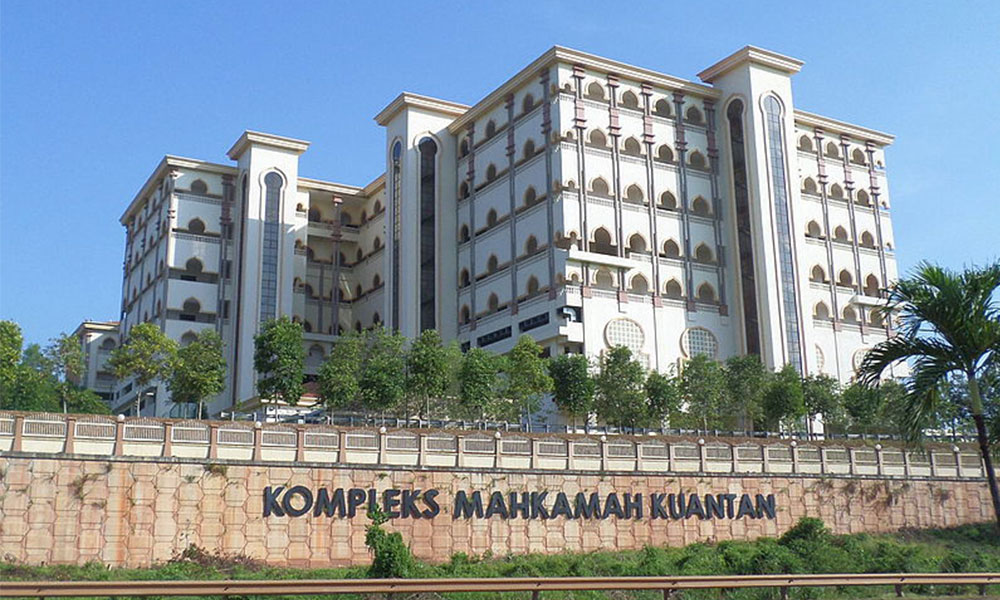
Additionally, YP Olio has been prohibited from carrying out any works or activities within 100m of the reserve area until a marking process to determine the boundaries of the area is completed.
It is also banned from commencing works on the reserve area, while the plaintiffs are not allowed to obstruct or interfere with any work carried out by the company on its land.
The consent judgment also stated that the plaintiffs would withdraw - without the freedom to refile or order to costs - their March 2023 judicial review application against a decision by the government to approve the company’s environmental impact assessment (EIA) for a palm oil plantation project in the disputed area.
RimbaWatch previously urged the DOE to retract its approval of an EIA report for the palm oil project, warning of numerous environmental and social issues that would arise should the project proceed.
‘Disputes happening everywhere’
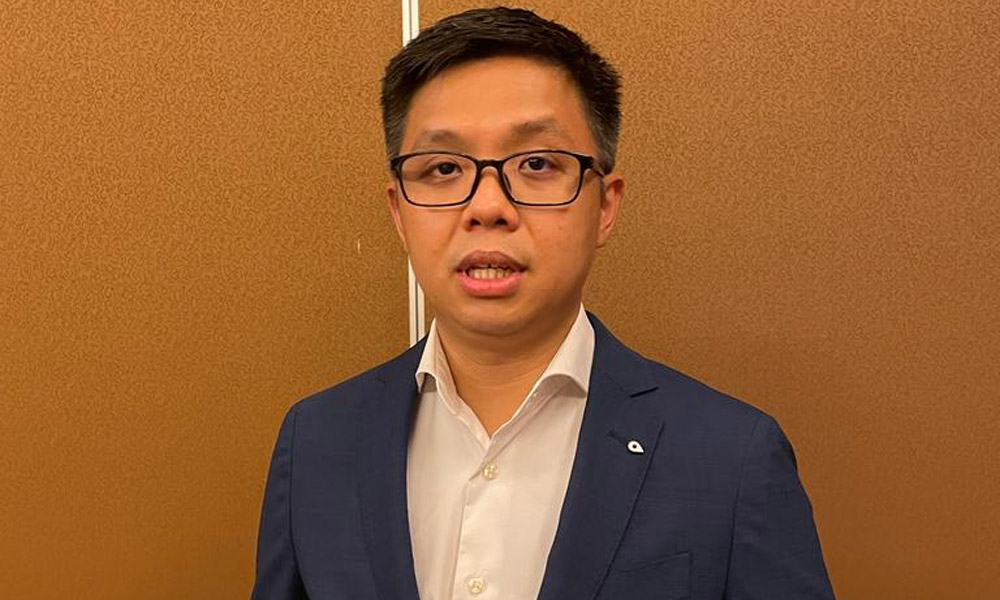
Lawyer New Sin Yew, who appeared for the plaintiffs, said while the settlement is a welcome step for the Orang Asli, the authorities must do more to ensure better conditions for the community.
“It’s certainly good that the community managed to come into an agreement with the land owner, but we cannot lose sight of the fact that there is simply not enough being done by both the state and federal governments to recognise the indigenous community as well as to protect and promote their rights.
“That is why there are similar disputes happening everywhere,” he told Malaysiakini.
Based on the plaintiffs’ statement of claims filed in 2022, the Pahang state government had on July 19, 2017, approved YP Olio’s application to alienate 8,498.58ha of land in the Bukit Ibam forest reserve to facilitate an oil palm plantation project.
The plaintiffs argued that the state government decided to register YP Olio’s interest over the land without waiting for its status as a forest reserve under the National Forestry Act 1984 to first be cancelled.
Claiming that they or any of the Temoq populace were unaware of the 2017 decision as they were not consulted by the defendants, the plaintiffs discovered in April 2018 that bulldozers and other machinery were clearing trees in the forest areas within the native customary land.
They claimed that around February 2020, representatives from Jakoa and DOE came to meet some of the villagers, requesting that they not object to the project as YP Olio had already paid the premium for the land.
Six months later, villagers discovered that some of the burial grounds in the customary land had been destroyed by YP Olio’s workers.
The first plaintiff, together with some other villagers, had also shown the destroyed burial grounds to a few police officers from Muadzam and Rompin, who allegedly refused to take any action.
The plaintiff also contended that a purported consent letter for the project - featuring their signatures - has no legal effect as the contents of the document were not explained to them by Jakoa or DOE representatives during a meeting in September 2020.
/file/publisher-c1a3f893382d2b2f8a9aa22a654d9c97/2023/11/264a865387cd1f0ad9c83e05a24bca4d.jpg)
/file/publisher-c1a3f893382d2b2f8a9aa22a654d9c97/2022/07/876f2b334c473308ddaf35d12b4ec363.jpg)


Are you sure you want to delete this comment?
This action cannot be undone.