


/file/publisher-c1a3f893382d2b2f8a9aa22a654d9c97/2025/06/a51146fd6e56fd406e392454602a1e51.jpg)

MCA urges transparency over looming electricity tariff hike
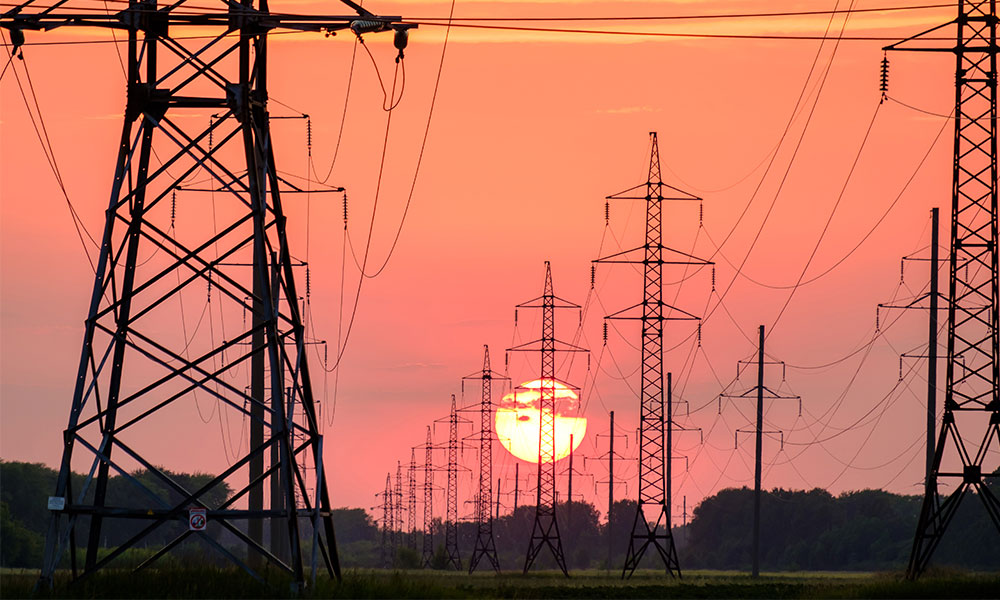
MCA has urged Putrajaya to explain the rationale behind its proposed electricity tariff hikes, cautioning that the move could destabilise public welfare if mishandled.
Acknowledging the rakyat’s unease over the increased tariff set to take effect on July 1, MCA deputy president Mah Hang Soon stressed that any changes affecting people’s daily lives should be handled with transparency, fairness, and careful planning.
“While the short-term impact might not hit low-income...
Summary
MCA warns tariff increase may strain households, SMEs, and spark inflation if poorly managed.
Party deputy president Mah Hang Soon calls for fair implementation, expanded subsidies for M20, and support for green transition.
He urges Putrajaya to explain the hike amid rising living costs and other planned fiscal reforms.
MCA has urged Putrajaya to explain the rationale behind its proposed electricity tariff hikes, cautioning that the move could destabilise public welfare if mishandled.
Acknowledging the rakyat’s unease over the increased tariff set to take effect on July 1, MCA deputy president Mah Hang Soon stressed that any changes affecting people’s daily lives should be handled with transparency, fairness, and careful planning.
“While the short-term impact might not hit low-income families too hard straightaway, rising bills will eventually take a toll,” Mah said in a statement today.
“For many households already struggling to make ends meet, higher electricity costs could be the tipping point, forcing them to cut back even more. That’s not the kind of pressure families should be facing.”
Noting that small and medium enterprises (SMEs) are likely to bear the brunt of the increase, Mah highlighted that higher operating costs due to increased electricity charges could see the burden being passed on to consumers.
“(This would) trigger inflation and erode the purchasing power of ordinary Malaysians, thus threatening the very foundation of our economy,” he said.
Greater empathy needed
While not disagreeing with the tariff hike, he said that the public must be assured that the increase is not arbitrary but directed towards upgrading infrastructure and accelerating the transition to green energy.
“Switching to cleaner energy is a long journey, and we all have a role to play, but citizens shouldn’t be left to bear the burden alone.
“Our government needs to demonstrate greater empathy and forward-thinking leadership. As we pursue long-term national goals, we must not lose sight of the immediate need to protect the welfare and stability of our people,” he added.
Mah also called on the government to expand electricity subsidies to the M40 (middle 40) group, strengthen energy-saving and carbon reduction education, and support SMEs during the transitional phase to prevent disruptions.
New tariff schedule
Last December, Tenaga Nasional Berhad proposed a new tariff schedule with a base tariff of 45.62 sen per kilowatt-hour for Peninsular Malaysia under Regulatory Period 4 (RP4).
The base tariff under RP3 had earlier been set at 39.95 sen/kWh between 2022 and 2024.
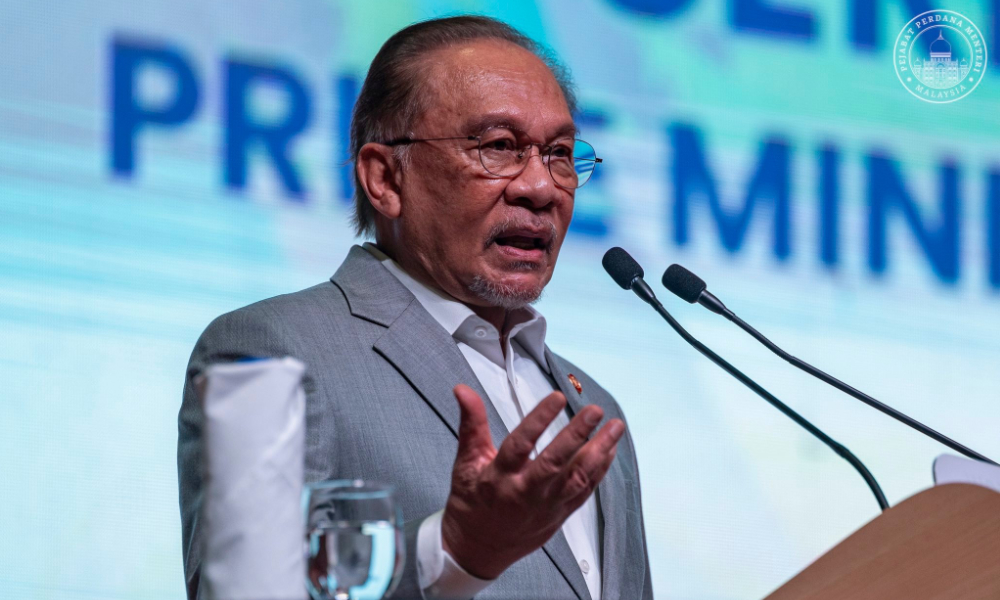
Prime Minister Anwar Ibrahim previously insisted that the raised electricity tariffs would not affect 85 percent of the population as it is instead aimed at industrial users and the “maha kaya” (ultra rich).
Yesterday, six business groups appealed for the government to postpone the sales and service tax (SST) expansion until the national economy stabilises, asserting that the tax measure’s timing, magnitude, and scope are gravely misguided.
Under the broadened tax base, also set to be implemented on July 1, non-essential goods will be taxed between five and 10 percent, while a zero percent sales tax on necessities will be maintained.
The government is also planning to implement a subsidy rationalisation for RON95 petrol.
/file/publisher-c1a3f893382d2b2f8a9aa22a654d9c97/2023/06/1f3262c10442a3210588005e0071a467.jpg)
/file/publisher-c1a3f893382d2b2f8a9aa22a654d9c97/2025/06/57de7f437fdca9eeed2c53c12151e8a7.jpg)
/file/publisher-c1a3f893382d2b2f8a9aa22a654d9c97/2025/06/85056a51a89aba5ac3cfc0541fdc8169.jpg)
/file/publisher-c1a3f893382d2b2f8a9aa22a654d9c97/2025/05/8f52ba6e50a7cb003eeabe5c85ffa034.jpg)
/file/publisher-c1a3f893382d2b2f8a9aa22a654d9c97/2022/07/72b4e4d297cb68d2741e95332b986c0c.jpg)


Are you sure you want to delete this comment?
This action cannot be undone.