


/file/publisher-c1a3f893382d2b2f8a9aa22a654d9c97/2025/08/f8ad56d4f756e971ac81d434cd109957.jpg)

PM justifies govt appeal against court decision over CMA provisions
Prime Minister Anwar Ibrahim today defended the government's appeal against a court ruling that deemed the terms "offensive" and "annoy" in the earlier version of Section 233 of the Communications and Multimedia Act 1998 (CMA) as unconstitutional.
Free Malaysia Today reported Anwar as saying that institutional reforms could not be solely based on court decisions but must be holistically studied before implementation.
Prime Minister Anwar Ibrahim today defended the government's appeal against a court ruling that deemed the terms "offensive" and "annoy" in the earlier version of Section 233 of the Communications and Multimedia Act 1998 (CMA) as unconstitutional.
Free Malaysia Today reported Anwar as saying that institutional reforms could not be solely based on court decisions but must be holistically studied before implementation.
“The courts provide their views and we will examine them,” he told reporters, adding that if a court ruling was aligned with the reform agenda, the government would be open to it.
“For example, when it comes to unlawful assemblies, I have a problem because the rulers have said that the freedom to assemble should not extend to palace compounds. So we have to think about that.
“Sometimes, in our eagerness to (ensure people’s) freedoms, it offends other areas,” he said after attending the Asean Law Forum.
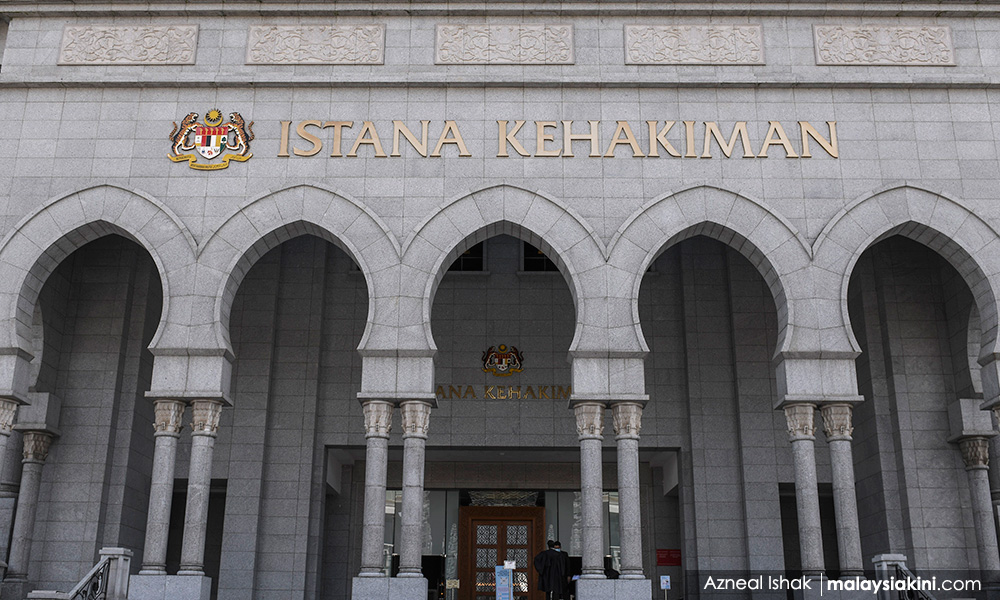
On Tuesday, the Court of Appeal declared the two words as unconstitutional, effectively neutering key provisions of the CMA.
READ MORE: Court's grounds for striking down 'offensive', 'annoy' provisions
The landmark ruling emerged from activist Heidy Quah's successful challenge to Section 233, which previously allowed prosecution for online content deemed offensive or annoying.
‘Already refined’
Yesterday, Communications Minister Fahmi Fadzil told the Parliament that Putrajaya would appeal the ruling.
Confirming that the Attorney-General’s Chambers had informed him of the plan, Fahmi clarified that the words had been refined under amendments brought under his leadership.
“Regarding the Court of Appeal’s decision, I was informed that the AGC will be filing an appeal to the Federal Court,” the minister said during his winding-up speech on the 13th Malaysia Plan.
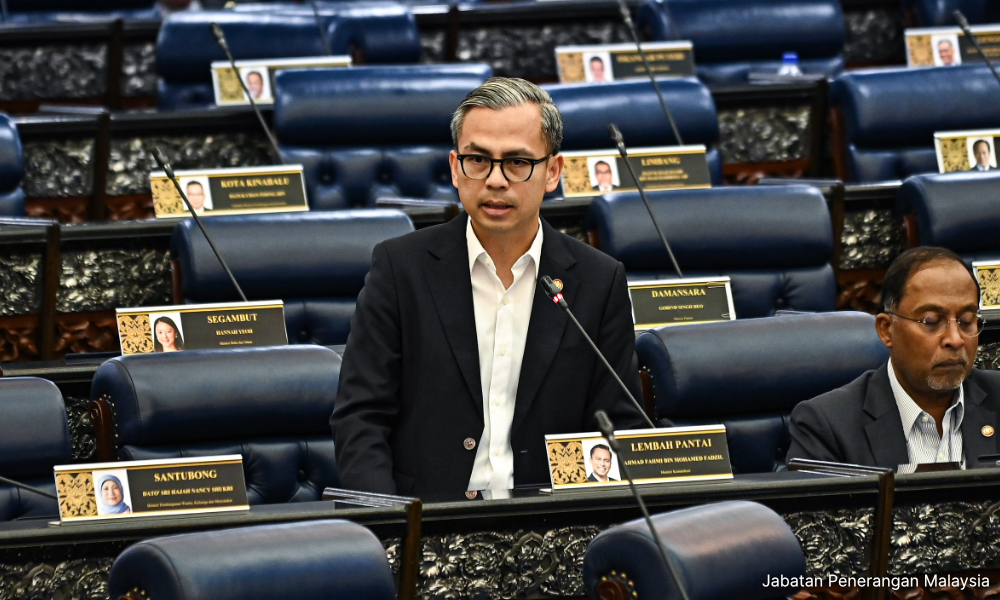
Fahmi said the earlier proposal (on amendments to Section 233 of the CMA) was more draconian compared to what was eventually refined and tabled in parliament.
He also highlighted that under the amended provision, Section 233 criminalises “grossly offensive” content while clearly specifying several aspects that are not considered an offence.
/file/publisher-c1a3f893382d2b2f8a9aa22a654d9c97/2020/10/2bda679309c88e264ef963588bbe46d2.jpg)
/file/publisher-c1a3f893382d2b2f8a9aa22a654d9c97/2025/04/1f9da94078a3bb26e02a410e9d999a04.jpg)
/file/publisher-c1a3f893382d2b2f8a9aa22a654d9c97/2025/07/3a6b3e4eb148de9d227e1d83e8eb5b0b.jpg)
/file/publisher-c1a3f893382d2b2f8a9aa22a654d9c97/2025/07/17684388b9af871e3a68901acbfb4295.jpg)


Report this comment
Are you sure you want to delete this comment?
This action cannot be undone.