


/file/publisher-c1a3f893382d2b2f8a9aa22a654d9c97/2023/10/38f4dba2caca0e1c83e0b1cd4030caaf.jpg)

Budget 2026: Fund public healthcare, scrap sugar subsidies - MMA
Budget 2026 should commit to raising public healthcare spending by abolishing sugar subsidies and expanding taxes on sugary drinks, suggested the Malaysian Medical Association (MMA).
In a statement today, the group suggested that the revenues obtained from the move should instead be redistributed to the Health Ministry to increase public healthcare spending from 2.4 percent to at least five percent of the nation’s GDP.
Summary
MMA urges govt to scrap sugar subsidies and use the money to fund public healthcare instead.
The association points to the high rate of diabetes and other non-communicable diseases among Malaysians, saying higher sugar prices discourage unhealthy eating habits and help govt save on healthcare costs.
MMA also urges govt to address other issues affecting public healthcare, including calling for an increase in doctors’ on-call allowance.
Budget 2026 should commit to raising public healthcare spending by abolishing sugar subsidies and expanding taxes on sugary drinks, suggested the Malaysian Medical Association (MMA).
In a statement today, the group proposed that the revenues obtained from the move be redistributed to the Health Ministry to increase public healthcare spending from 2.4 percent to at least five percent of the nation’s gross domestic product (GDP).
“This not only discourages unhealthy consumption, but also channels resources directly into strengthening healthcare… healthcare must be seen as an investment in Malaysia’s future, not merely an expenditure,” said MMA president Dr R Thirunavukarasu.
In 2022, the Health Ministry and the World Health Organization jointly published a report showing that diabetes treatment had cost RM4.38 billion in 2017 alone, outweighing treatment costs for other chronic conditions such as cardiovascular diseases (RM3.39 billion) and cancer (RM1.34 billion).
The report also estimated that at least one in five Malaysian adults lives with diabetes, with treatment for the disease amounting to 45 percent of the nation’s overall annual healthcare treatment costs.
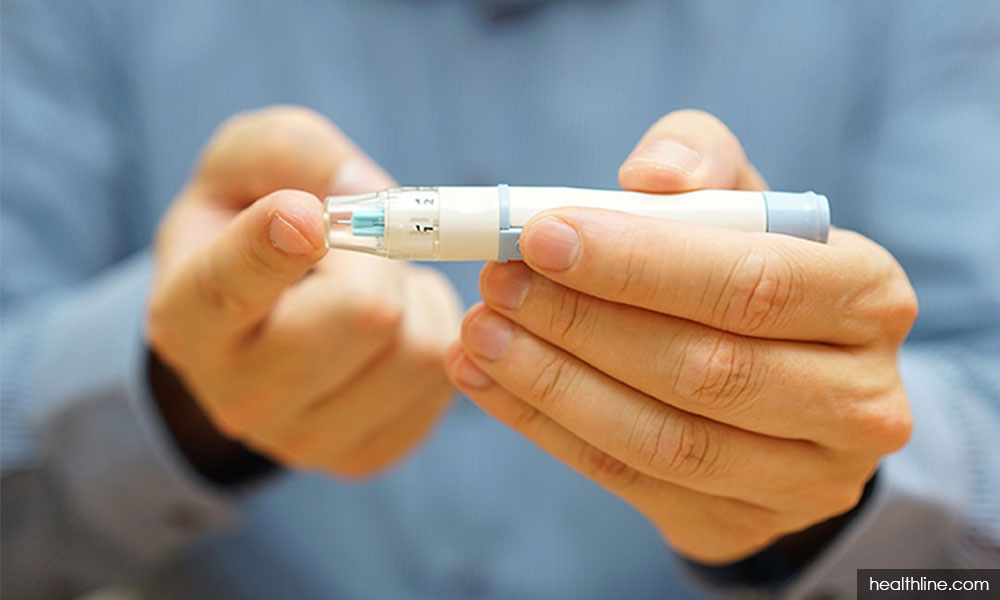
Last year, the government suggested removing sugar from the list of controlled price items and expanding taxes on sugar-sweetened beverages in the 2025 budget.
The retail price of sugar in Malaysia has been capped at RM2.85 per kg since 2011, despite the global raw sugar price increasing in recent years.
While the government had initially abolished sugar subsidies in 2013, its market value eventually exceeded the controlled item price cap, forcing the government to reintroduce the subsidies for producers in November 2023.
The subsidies amount to RM1 per kg for raw and refined sugar, costing about RM42 million per month.
Increase public healthcare fees
MMA also urged the government to increase public healthcare fees from RM1 to RM5 at primary care clinics and from RM5 to RM25 at public specialist outpatient clinics, to reduce financial strains on government services.
The funding should be directed to healthcare facility maintenance and upkeep, while continuing the exemption for B40 patients, it added.
MMA also described workforce shortages and brain drain as an “urgent priority” to be addressed in the upcoming budget.
Hence, the group strongly welcomes the government’s commitment to abolishing the contract doctor system, while further urging remaining contract doctors to be absorbed into permanent positions.
“Greater support should be given to postgraduate training through both the master’s and parallel pathways to encourage specialisation.
“Doctors’ on-call allowances remain outdated at RM9.16 per hour. We urge an increase to RM25 per hour, a meaningful adjustment that reflects workload, responsibilities, and sacrifices,” MMA added.
Public-private collaboration
Addressing the prevention of non-communicable diseases (NCD), MMA also highlighted how such diseases cost RM64.2 billion annually.
The group said this is approximately four percent of Malaysia’s GDP and suggested more robust private-public healthcare collaboration to ease the burden on public facilities.
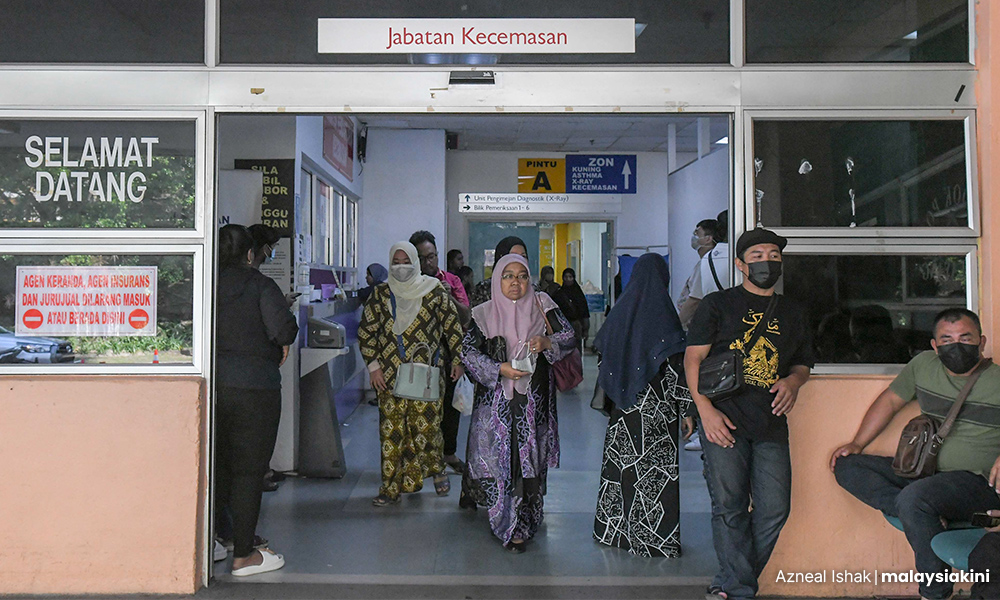
“The government should fully outsource the national immunisation programme, civil service pre-employment, and employee promotion health screenings, as well as public university pre-entry health checks, to private GPs through a structured public–private partnership.
“This will ease the burden on the public healthcare system, while all medical records are securely maintained through the MySejahtera platform,” it said.
It further stressed that Budget 2026 should also incentivise private hospitals to lend diagnostic machines after office hours through a tax relief programme in efforts to maximise existing resources.
It called on the government to also consider an official integration between government and private healthcare facilities supported via the Health Ministry–MCMC Digital Fund.
“Governance frameworks must also be modernised, starting with a review of the outdated Private Healthcare and Services Act 1998.
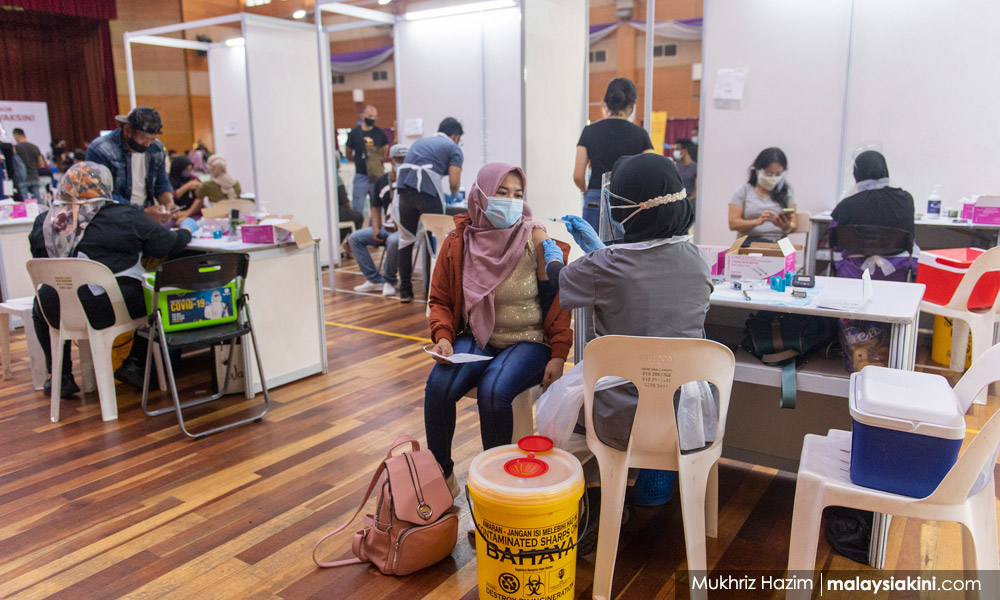
“Evidence has shown that public-private collaboration works: during Covid-19, GP-Health Ministry cooperation enabled one of the highest vaccination rates in the world. This success must be replicated in national health programmes,” MMA added.
Ageing nation
Other issues MMA highlighted included rising costs of elderly and palliative care, which is estimated to reach RM21 billion in 2040 as Malaysia heads towards an ageing nation.
The group thus urged that the upcoming budget “prepare for this demographic shift,” by investing in more training for geriatric services, and by supporting GPs interested in specialising in geriatric care through upskilling and training programmes.
MMA also called upon the government to increase spending for medical digitalisation, including enhancing the MySejahtera app, and improving mobile and internet connectivity across nationwide healthcare facilities to meet the digital demands of the 13th Malaysian Plan.
“With stronger collaboration, better funding, and fairer distribution of resources, Malaysia can reduce NCD complications, save billions in productivity losses, and protect its ageing population.
“We are fully prepared to engage with the Health Ministry and all stakeholders to strengthen and improve the nation’s healthcare system,” it said.
/file/publisher-c1a3f893382d2b2f8a9aa22a654d9c97/2025/05/a3b39a8b96339618c993076073143f24.jpg)
/file/publisher-c1a3f893382d2b2f8a9aa22a654d9c97/2025/08/8f48b921053d186f71ad8277bbe33264.jpg)
/file/publisher-c1a3f893382d2b2f8a9aa22a654d9c97/2025/08/a888d5b46d44f8c04926c8186a8b4a93.jpg)
/file/publisher-c1a3f893382d2b2f8a9aa22a654d9c97/2025/04/0527f51d711ee7bd566fc6bf24ccc151.jpg)
/file/publisher-c1a3f893382d2b2f8a9aa22a654d9c97/2023/04/d923c64b1aec1ca5052e1824f8c6bbd0.jpg)
/file/publisher-c1a3f893382d2b2f8a9aa22a654d9c97/2024/11/910730f76a614cf032967ebaf228d48a.jpg)


Report this comment
Are you sure you want to delete this comment?
This action cannot be undone.