


/file/1294/422fba7062b43eca73f50d920bd0aa13.jpeg)

April 29 verdict on challenge of Covid-era Parliament suspension
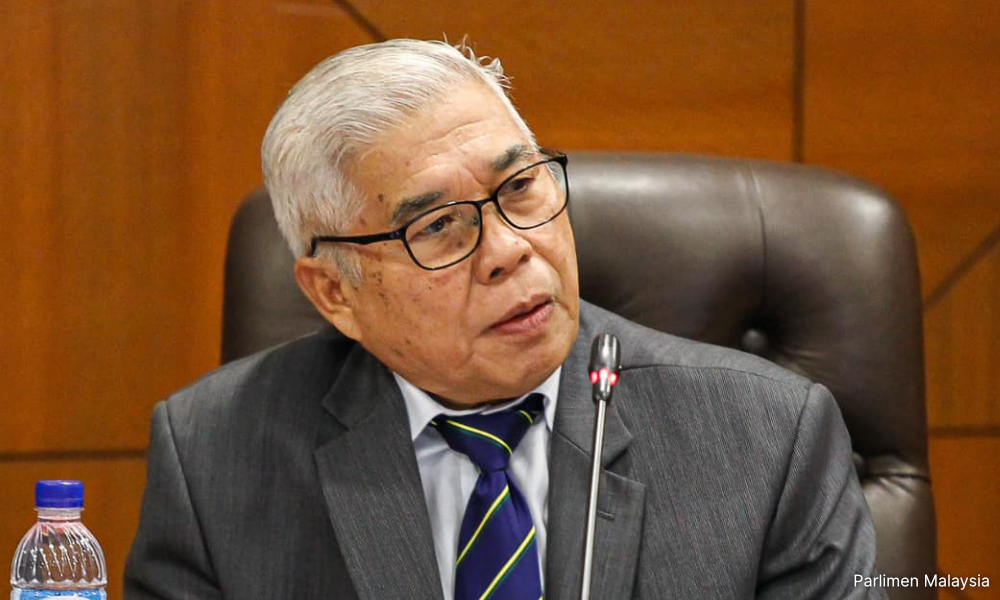
The challenge, heard before judge Aliza Sulaiman today, was filed by Pasir Gudang MP Hassan Abdul Karim and Tebing Tinggi assemblyperson Abdul Aziz Bari in 2021.
The case was heard this morning after the Federal Court...
The Kuala Lumpur High Court will deliver its verdict on a challenge against the government’s advice to the Yang di-Pertuan Agong, which led to the emergency proclamation and Parliament being suspended during the Covid-19 pandemic.
The challenge, heard before judge Aliza Sulaiman today, was filed by Pasir Gudang MP Hassan Abdul Karim and Tebing Tinggi assemblyperson Abdul Aziz Bari in 2021.
The case was heard this morning after the Federal Court allowed the MPs’ appeal in 2024, in which they appealed against the Court of Appeal’s decision that upheld the High Court’s refusal to grant them leave to proceed with their judicial review.
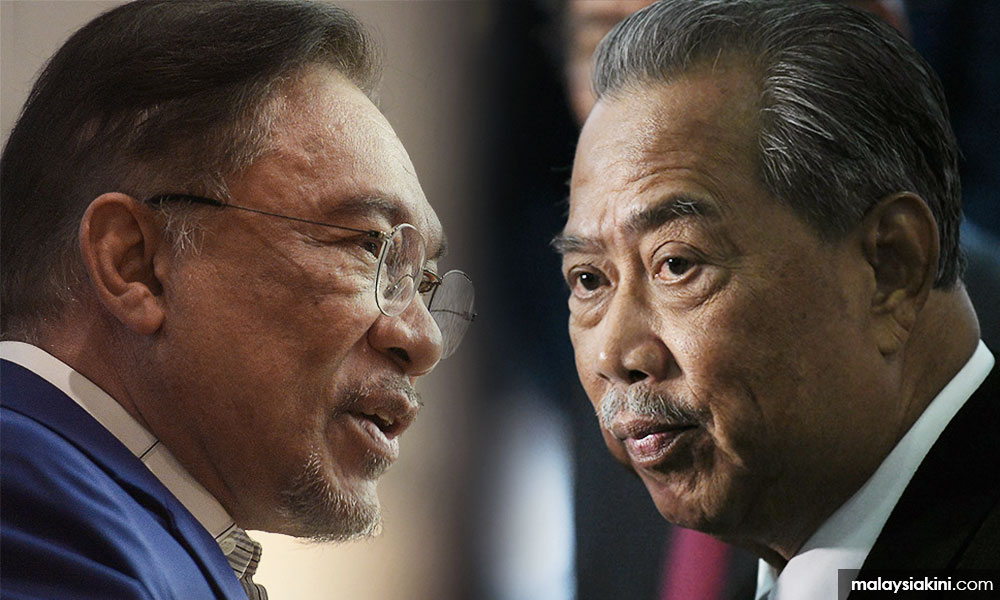
Hassan and Aziz, through the application, wanted a civil court ruling over the validity of then-prime minister Muhyiddin Yassin’s advice to the Yang di-Pertuan Agong.
They sought a court declaration that the decision by the Muhyiddin cabinet to advise His Majesty to promulgate Section 14 of the Emergency (Essential Powers) Ordinance 2021 was unconstitutional, unlawful, and of no effect.
When the challenge was initially filed at the High Court in 2021, then-opposition leader Anwar Ibrahim, then-Sungai Petani MP Johari Abdul, and then-Pulai MP Salahuddin Ayub were among the judicial review applicants.
However, Anwar and Johari, who are now the prime minister and Dewan Rakyat speaker, have since withdrawn their challenge, while Salahuddin passed away in 2023.
In 2021, the High Court denied leave for the commencement of the judicial review on the grounds that the courts have no jurisdiction to hear legal issues linked to a prime minister’s advice to the king to promulgate the Emergency Ordinance.
Now, back before the High Court, the judicial review named Muhyiddin and the government as respondents.
The judge fixed the verdict date for this April 29 after hearing submissions from the applicants, represented by lawyers Gurdial Singh Nijar, Abdullah Abdul Rahman, and Abraham Au, as well as submissions and replies from senior federal counsel Shamsul Bolhassan.
Provisions unconstitutional, unreasonable
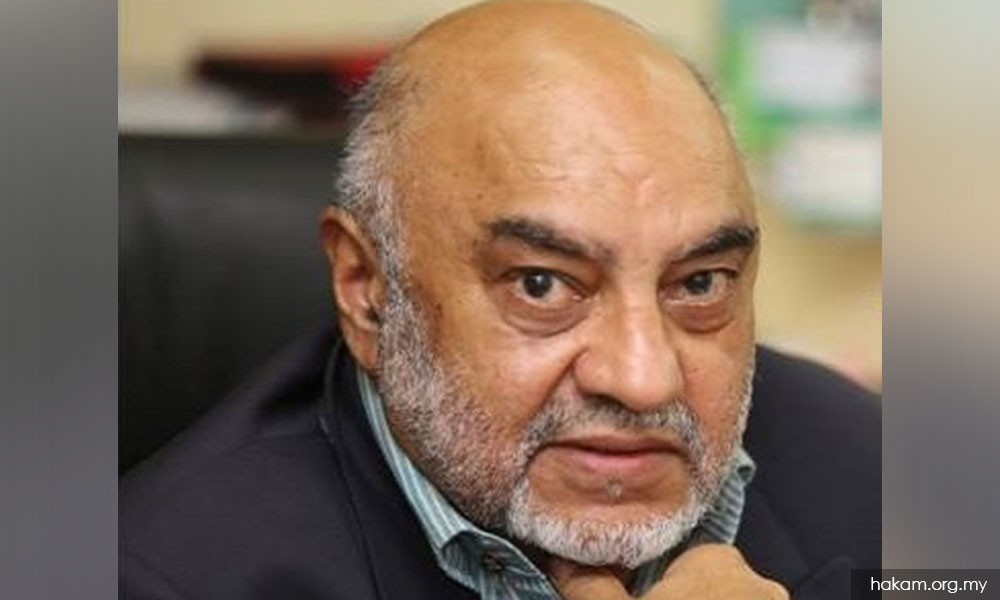
Earlier, Gurdial argued that Sections 11, 14, and 15 under the Emergency Ordinance were unnecessary, irrational, unreasonable, and disproportionate.
Section 11 addressed the continuation of executive powers while under emergency, while Sections 14 and 15 touched on the effect of the suspension of Parliament and state assemblies.
The senior lawyer further argued that the suspension of Parliament and state assemblies prevented the two from carrying out their constitutional functions, particularly as a check and balance of the executive.
This, he added, violated Article 150(3) of the Federal Constitution, which requires the emergency proclamation and Emergency Ordinance to be laid before the Parliament for a decision as to whether these two matters should continue to exist or be annulled.
“Denying the rights of Parliament and state assemblies to sit prevented (them) from carrying out their constitutional functions as legislatures and as bodies responsible for the supervision of the executives.
“It also impeded and frustrated the operation of the constitutional principle of public accountability.
“There was no basis whatsoever for the Parliament and state assemblies to be suspended, as other economic sectors, including pasar malam (night markets), were allowed to operate… suspension (of the legislatures) did not aid the purpose of containing the Covid-19 situation or pandemic,” he submitted.
He added that if the Covid-19 situation was a concern, then less intrusive measures should have been introduced to facilitate the sittings as opposed to an outright shutdown.
Such a move was disproportionate, he contended.
Responding to this, Shamsul submitted that the matters heard in court today were rendered academic as the emergency period ended in August 2021 and that Parliament has since scrutinised the proclamation as well as Emergency Ordinances.
“Hence, the purpose of parliamentary accountability has been achieved.”
/file/publisher-c1a3f893382d2b2f8a9aa22a654d9c97/2024/07/6e9a8a7501b5239e4f3252ab59274111.jpg)
/file/publisher-c1a3f893382d2b2f8a9aa22a654d9c97/2019/01/759a1a5dfd328c649ba539161da6bbf1.jpg)


Report this comment
Are you sure you want to delete this comment?
This action cannot be undone.