


/file/publisher-c1a3f893382d2b2f8a9aa22a654d9c97/2025/05/a167c3810989d2fe54aefedb07e14e79.jpg)

Country's petrol supply still stable, govt has prepared contingencies: Fadillah
Malaysia’s petroleum supply remains stable and sufficient, and the government has prepared contingency plans to ensure continued supply under any circumstances, said Deputy Prime Minister Fadillah Yusof.
He said the plan includes sourcing supplies from alternative markets if the ongoing global energy crisis - triggered by conflict in West Asia - causes prolonged disruptions.
“As an open economy...
Malaysia’s petroleum supply remains stable and sufficient, and the government has prepared contingency plans to ensure continued supply under any circumstances, said Deputy Prime Minister Fadillah Yusof.
He said the plan includes sourcing supplies from alternative markets if the ongoing global energy crisis - triggered by conflict in West Asia - causes prolonged disruptions.
“As an open economy, Malaysia is not exempt from the effects of this (global energy crisis). However, it is important to stress that our country remains under control, prepared, and is taking proactive steps to manage the impact of this crisis.
“Nevertheless, we must remain vigilant and take precautionary measures if this crisis continues,” he said during a Global Energy Crisis Briefing broadcast live on local television today.
The briefing was held following a cabinet directive to establish a Communications Command Centre linked to the National Economic Action Council to address the situation.
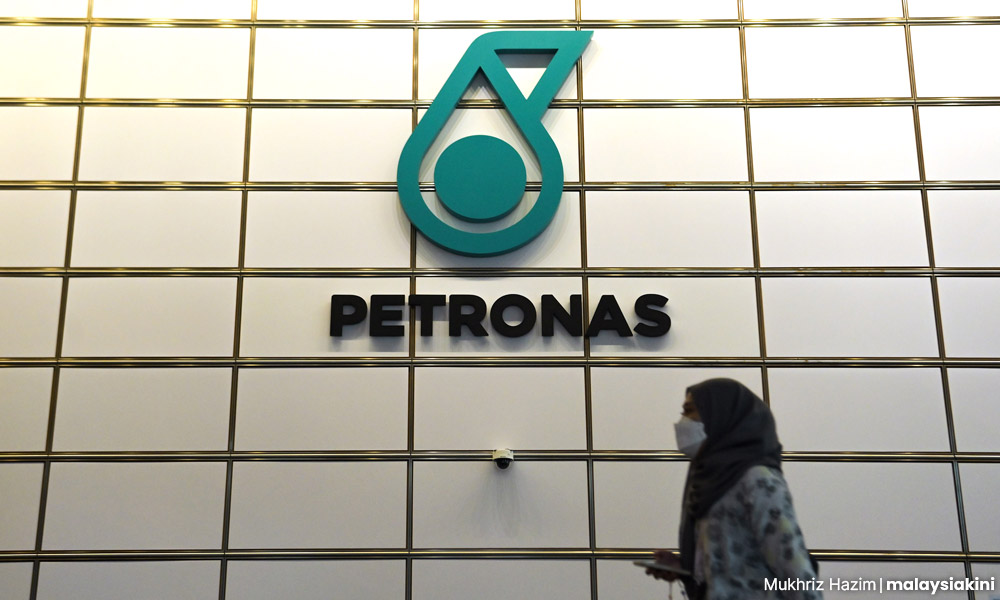
Acknowledging public concerns, Fadillah said the government, together with Petronas and industry players, is monitoring the supply chain daily.
“The government is also consistently holding engagement sessions with stakeholders from various sectors to obtain real-time feedback and coordinate swift actions to ensure that supply stability and the market remain safeguarded,” he added.
Disruptions to strategic routes such as the Strait of Hormuz - a vital artery for global oil flows - have increased market uncertainty and pushed oil prices to high levels.
Meanwhile, Fadillah said the adjustment to non-subsidised fuel prices is being done in a controlled manner to reflect global market realities without burdening the public.
Fadillah, who is also energy transition and water transformation minister, said the approach aims to balance global market pressures with safeguards for households.
“The government is conducting continuous engagement sessions with stakeholders across sectors. This enables real-time feedback and swift policy adjustments to ensure supply stability and market order,” he said.
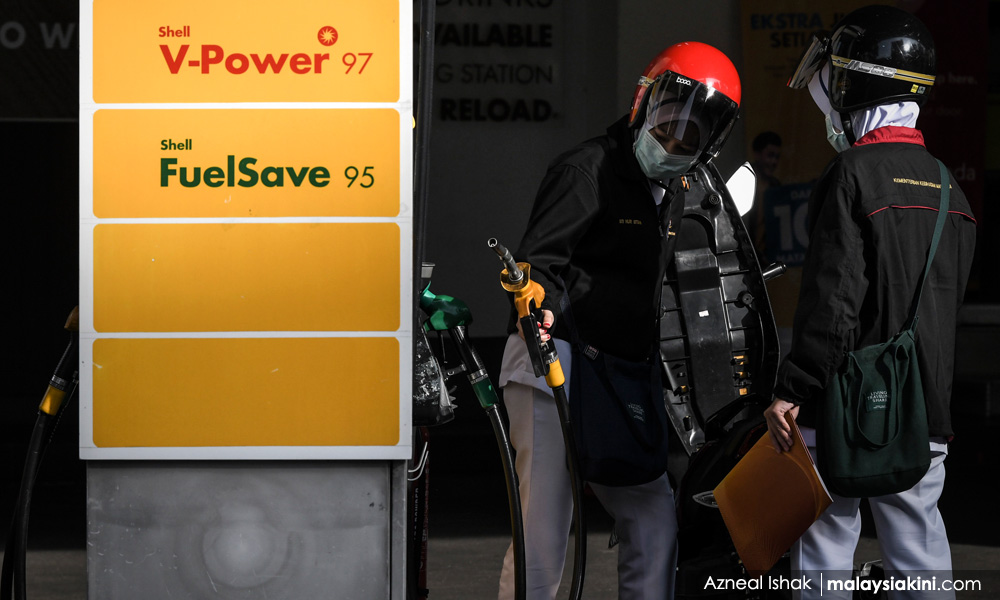
He said that subsidised RON95 petrol under the Budi95 scheme remains at RM1.99 per litre, while diesel for the logistics sector is fixed at RM2.05 per litre, and for the Subsidised Diesel Control System ranges between RM1.88 and RM2.15 per litre.
A monthly cash assistance of RM300 under the Budi Diesel programme will also be provided to eligible individuals from April 2026 to help ease cost pressures.
Fadillah said sectors heavily reliant on fuel for income, including fisheries and agri-commodities, will continue to receive diesel support.
“The government is also maintaining the Budi95 quota cap at 800 litres per month for e-hailing drivers to ensure operating costs remain manageable and are not directly passed on to consumers,” he said.
At the same time, he stressed that authorities are closely monitoring the cost of living.
“Supply of essential food items remains sufficient, daily price monitoring is conducted nationwide, and firm action will be taken against unjustified price increases.
“The government’s approach is clear: to protect the public without undermining long-term economic stability,” he added.
- Bernama
/file/publisher-c1a3f893382d2b2f8a9aa22a654d9c97/2024/11/7ca22c3e87dff1378e9b9a6e0651eaa8.jpg)
/file/publisher-c1a3f893382d2b2f8a9aa22a654d9c97/2021/08/f116e3b419d0251de0aa19414b56c2bb.jpg)
/file/publisher-c1a3f893382d2b2f8a9aa22a654d9c97/2023/10/76f8f300216b3388a3962305c606f281.jpg)
/file/publisher-c1a3f893382d2b2f8a9aa22a654d9c97/2025/11/7b8937a2be07229ccc8595951d17a5db.jpg)
/file/publisher-c1a3f893382d2b2f8a9aa22a654d9c97/2026/03/e425ab3a48e4d98f0477f9b1fc72e68a.jpg)
/file/publisher-c1a3f893382d2b2f8a9aa22a654d9c97/2024/05/517b93fbc813535ff055950ca2cc9f8d.jpg)


Are you sure you want to delete this comment?
This action cannot be undone.