


/file/publisher-c1a3f893382d2b2f8a9aa22a654d9c97/2025/12/045a48587501a345065654f1ca990009.jpg)

Najib's 1MDB plunder made Attila the Hun look like a choirboy - judge
Sequerah, who is now a Federal Court judge, made the observation in his 810-page grounds of judgment released today.
He also described what has been portrayed both locally and internationally as one of the world's largest cases of kleptocracy...
The scale of the 1MDB scandal involving former prime minister Najib Abdul Razak was so vast that it made “Attila the Hun look like a choirboy by comparison”, according to then-High Court judge Collin Lawrence Sequerah.
Sequerah, who is now a Federal Court judge, made the observation in his 810-page grounds of judgment released today.
He also described what has been portrayed both locally and internationally as one of the world’s largest cases of kleptocracy.
“The scale of the plunder that took place (financially speaking, of course) made Attila the Hun look like a choirboy by comparison,” said the judge.
Attila the Hun was the feared ruler of the Hunnic Empire in the fifth century and was notorious for leading devastating military campaigns across Europe.
He earned a reputation for destruction, brutality, and plunder - gaining the nickname “The Scourge of God”.
His campaigns caused widespread fear and significant damage to cities and territories under Roman control.
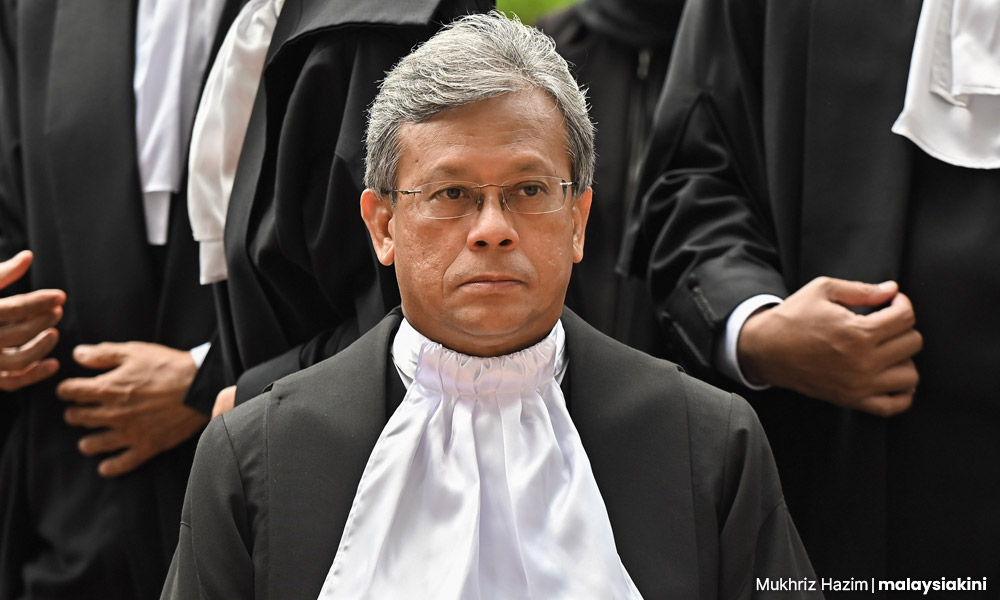
On Dec 26, 2025, Sequerah sentenced Najib, 72, to 15 years in jail and imposed a total fine of RM11.4 billion after finding him guilty on four counts of abuse of power and 21 counts of money laundering involving RM2.3 billion in funds linked to 1MDB.
Nearly six months later, in the much-awaited full written judgment, the judge said the trial, which began in August 2019, took approximately six years to conclude - a record no court would wish to hold.
“It has in all probability surpassed the length of any other trial in the annals of Malaysian court history, an unenviable record,” he said.
‘A complex case’
The judge said the lengthy proceedings reflected the complexity of the case, which involved extensive documentary evidence, numerous witnesses, and allegations surrounding one of the country's largest financial scandals.
He said that after the trial had progressed for some time, the nation - and indeed much of the world - was plunged into the Covid-19 pandemic.
The judge said that the ensuing movement control order (MCO) forced the court to adjourn the trial on several occasions.
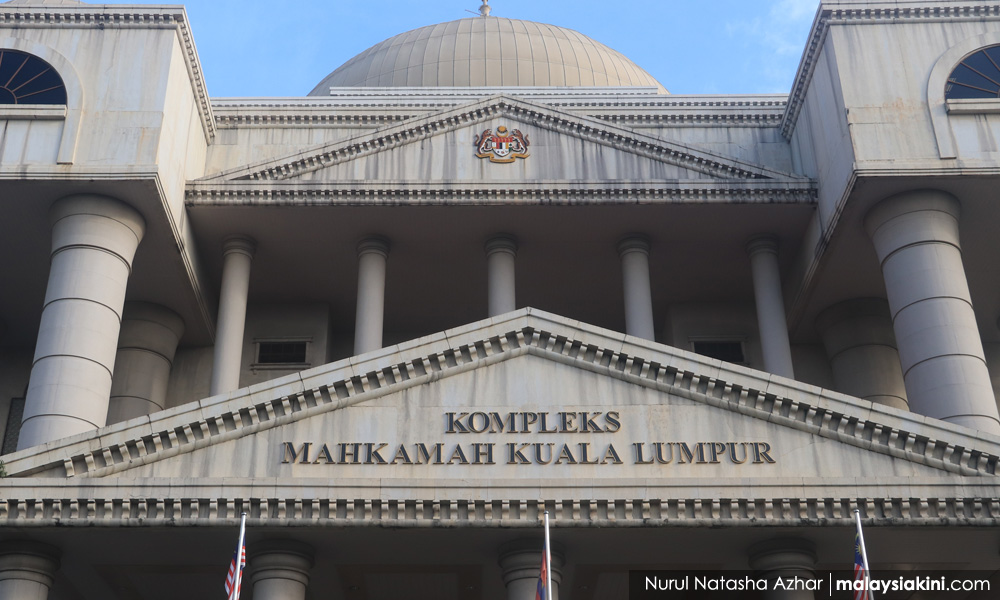
“As a result of the lockdown, a total of 19 days of trial were lost, while another nine trial dates were lost due to someone involved in the proceedings testing positive for Covid-19 or coming into close contact with a person who had tested positive,” Sequerah said.
The judge said the trial eventually resumed, and one might have thought that the worst, at least in terms of its progress, was over.
No evidence Najib ever met ‘Arab donors’
In his ruling, Sequerah said there was no evidence that Najib had ever met, communicated with, or corresponded with the purported Arab donors, yet he continued to utilise the funds despite being aware of concerns over their origins.
The judge held that Najib had failed to adduce any evidence of direct communication with the purported Arab donors and admitted that the four “donation letters” did not originate directly from them.
He further said that Najib had also made no attempt to verify the authenticity of the letters or even the existence of the alleged donors.
“Finally, the accused also admitted that the matter of the Arab donations was not disclosed in any official manner or form to the cabinet,” the judge said in his ruling.
He said the overall circumstances led to the irresistible inference that the monies originated from the purported joint venture (JV) between 1MDB and Petrosaudi International.
JV directly approved by Najib
Addressing the defence’s argument that there was no causal link between Najib’s actions and the gratification he received, and that the funds came from independent commercial transactions following the JV, Sequerah found otherwise.
He noted that evidence showed Najib had approved the JV, intervened in the approval process through a telephone call with 1MDB’s chairperson Bakke Salleh, and subsequently endorsed cabinet papers that were essential preconditions for the release of US$1 billion from 1MDB.
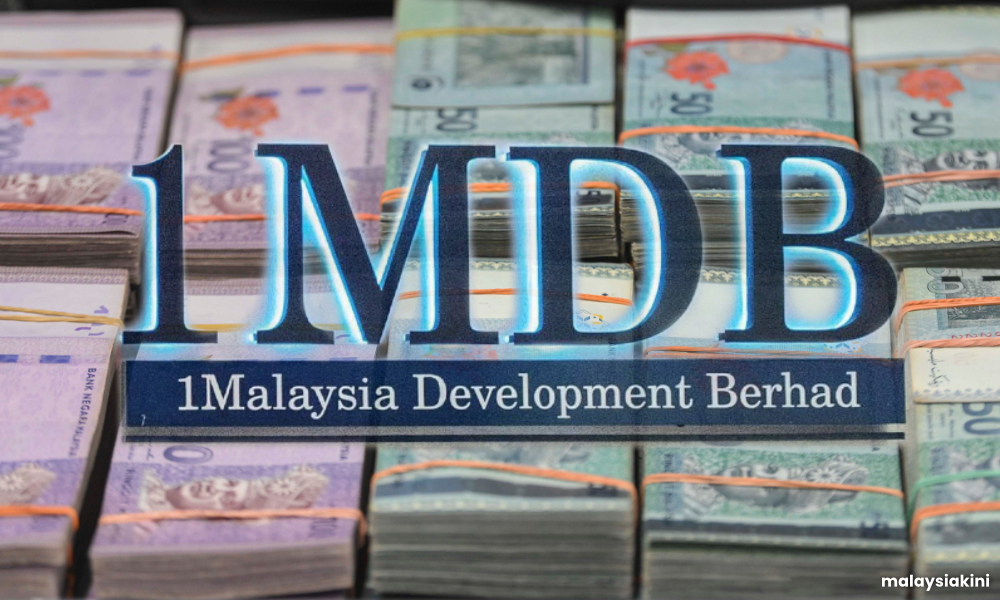
“It is evident that had it not been for his authority as prime minister and finance minister, the transfers of these funds would not have taken place.
“So, contrary to what the defence had contended, the actions of the accused were the proximate cause of the misappropriation of funds, and there was a causal connection that enabled these funds to be misappropriated and channelled into his personal accounts,” he said.
The judge also held that the scale of the misappropriation in the 1MDB case, the enduring financial burden borne by the government and the difficulty in tracing all proceeds due to the manner in which the funds were moved and dissipated, an order under Section 55(2) Anti-Money Laundering and Anti-Terrorism Financing Act 2001 (AMLATFA) is not only appropriate but necessary in the interests of justice and public interest.
He said the scale of the financial scandal reverberated globally and left the country in the difficult position of continuing to bear its financial burden.
Public abhorrence at the manner in which the offences were committed, which involved a breach of trust by the holder of the country’s highest public office, is a highly relevant consideration, said the judge.
“In light of these considerations and also the enormous sums of money siphoned off and to date remain unrecoverable, this court agrees with the submission of the prosecution that the provisions of 55(2) AMLATFA ought to be given effect to,” he added.
- Bernama
/file/publisher-c1a3f893382d2b2f8a9aa22a654d9c97/2022/09/85df72b92acd986c3dba81677c9e7270.jpg)
/file/publisher-c1a3f893382d2b2f8a9aa22a654d9c97/2026/05/b4f7d2e3b06c946afd943aa37089d430.jpg)
/file/publisher-c1a3f893382d2b2f8a9aa22a654d9c97/2026/04/d7c349cafd3b65e4e5813e7c08859d79.jpg)
/file/publisher-c1a3f893382d2b2f8a9aa22a654d9c97/2025/08/a50e6928bda4b6276d7200cc7c12bc6b.jpg)
/file/publisher-c1a3f893382d2b2f8a9aa22a654d9c97/2026/05/ac5cf54d1978ef23375171fc35b9caba.jpg)


Are you sure you want to delete this comment?
This action cannot be undone.