




Detour for EU-bound seafood
Europe-bound seafood may have to be temporarily diverted to the domestic market and other countries until the Malaysia is readmitted to the European Union (EU) seafood exporters list.
Europe-bound seafood may have to be temporarily diverted to the domestic market and other countries until the Malaysia is readmitted to the European Union (EU) seafood exporters list.
 “They (exporters) have to divert some (products) to other countries... Maybe they can sell it locally,” said Liow in an interview yesterday.
Last week, Malaysia had opted out of the exporters list following the threat of a ban by the European Commission (EC) directorate-general for health and consumer protection.
Liow reiterated that the EC decision was not prompted by alleged use of preservatives in the products, but due to certain parties not complying with procedures along the production chain.
“Malaysian exports to Europe never fail. There is no contamination. The bacteria count is very low. Everything is up to their standards. A lot of European countries were very happy. Until (now there have been) no complaints,” he said.
However, he said the EC has insisted on such matters as replacing wooden jetties with concrete ones and that fishing vessels are fitted with refrigerators, toilets and basins.
“Malaysians didn’t do this earlier because the fishing boats are quite small. We just go out (fishing) for one day and come back. We use ice blocks to keep the fish fresh,” he explained.
Quick comeback expected
Explaining the voluntary delisting of Malaysia, Liow said government officials had met with exporters and decided that it was the best course of action.
“When we delist ourselves, we’re sure that we can make a comeback very fast,” he said.
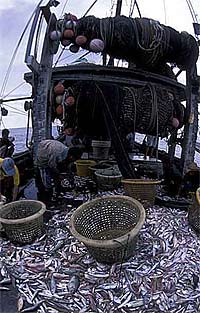 Liow expressed confidence that the problem can be resolved in three months because it will be “very easy” to retrofit the fishing vessels and upgrade the jetties.
He added that the health ministry and its agriculture and agro-based industry counterpart were cooperating to resolve the problem and have held discussions with seafood producers.
It was reported earlier that six of the nine seafood processing factories randomly inspected by the EC in April had failed to meet European health standards.
A second round of inspection is expected following upgrading works by the seafood exporting industry.
However, producers expected to lose about RM1 billion until they are readmitted to the exporters’ list.


