


/file/publisher-c1a3f893382d2b2f8a9aa22a654d9c97/2026/04/b11c791c5803c896d650e92ee3405367.png)

Solar panels and battery storage in Malaysia: How to reduce your electricity bill
Malaysia’s tropical climate makes it well-suited for solar generation. With consistent sunlight throughout the year, rooftop systems can produce electricity reliably, helping reduce dependence on grid supply.
This is supported by national initiatives such as Solar ATAP and long-term targets under the National Energy Transition Roadmap (NETR), which aim to expand renewable energy in Malaysia over the coming decades.
For many users, solar already provides clear benefits:
Lower electricity bills
Reduced exposure to rising tariffs
More predictable energy costs
However, solar systems generate electricity during the day; when sunlight is available.
Outside those hours, most users still rely on the grid.
This is where Battery Energy Storage Systems (BESS) are becoming increasingly relevant.
What is BESS and How Does It Work?
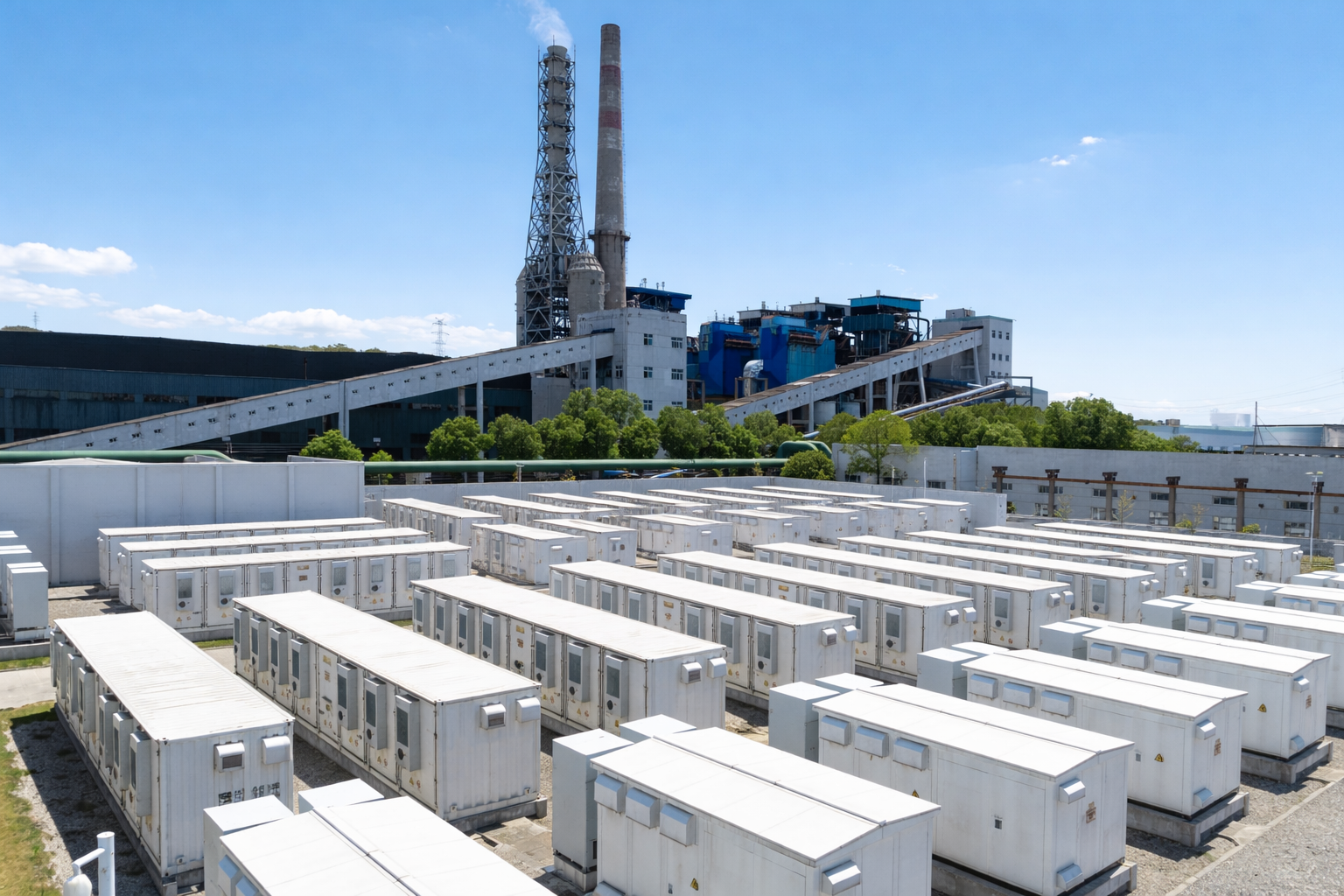
A Battery Energy Storage System (BESS) allows you to store electricity for later use. When paired with solar, it captures excess energy generated during the day and makes it available when the sun is not shining. Think of it as your home’s powerbank. You charge it up during the day with power from the solar and use the power when you are low on supply.
In practice, this means you minimise any wasted energy. They can be stored instead and used when you need it most - later at night, during peak tariff periods, or when grid supply is disrupted (local blackouts) - therefore improving overall energy efficiency.
In practical terms, this means:
Maximising your solar system
Reduce reliance on grid electricity
Greater flexibility in managing consumption
Globally, energy systems are moving in this direction. As fuel markets become more volatile, storage is increasingly seen as part of building a more resilient energy system.
From Cost Savings to Energy Control
Solar alone helps reduce electricity bills. But when combined with battery storage, the benefit goes beyond. It allows users to manage when and how energy is used, rather than relying entirely on external supply.
For households and businesses, this shift is becoming more relevant especially in an environment where electricity tariffs are influenced by global fuel costs.
Solar and battery systems are not one size fits all. Your savings depend on how much electricity you use, how your system is designed, and how much you are willing to invest.
For some, solar alone is enough to reduce bills. For others, adding a battery helps store extra energy and use it later, giving more stability and control.
What matters most is understanding what works for your home or business, especially before electricity costs rise further and leave you with fewer options.
To explore how solar and battery storage solutions can help you better manage electricity costs and improve energy reliability, visit www.unitedsolarenergy.com.my and learn more about solutions by United Solar Energy Malaysia (USEM).
This Sustainable Energy Series is in collaboration with United Solar Energy Malaysia (USEM).
The views expressed here are those of the author/contributor and do not necessarily represent the views of Malaysiakini.


Are you sure you want to delete this comment?
This action cannot be undone.