




NATO in 'crisis': Gates
The NATO alliance faces a "crisis" as European countries have grown averse to military force and failed to invest in weapons and equipment, US Defense Secretary Robert Gates said on Tuesday.
"Right now, the alliance faces very serious, long-term, systemic problems," Gates said in a speech to alliance officers and officials.
The NATO alliance faces a "crisis" as European countries have grown averse to military force and failed to invest in weapons and equipment, US Defense Secretary Robert Gates said on Tuesday.
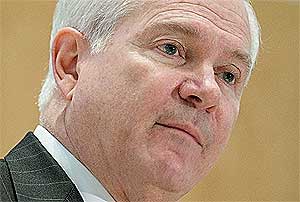 "Right now, the alliance faces very serious, long-term, systemic problems," Gates said in a speech to alliance officers and officials.
In a blunt message to allies as NATO-led forces face a tough fight in Afghanistan, Gates said a budget shortfall plaguing the North Atlantic Treaty Organization represented a symptom of "deeper problems" with how NATO sets priorities and how European societies perceived the role of the military.
"The demilitarization of Europe -- where large swaths of the general public and political class are averse to military force and the risks that go with it -- has gone from a blessing in the 20th century to an impediment to achieving real security and lasting peace in the 21st," Gates said.
'Temptation to miscalculation and aggression'
The perception of weakness in Europe could offer "a temptation to miscalculation and aggression" by hostile states, he said.
Funding and equipment shortfalls, meanwhile, complicated efforts to stage joint military operations in Afghanistan or elsewhere, he said at National Defense University.
"For many years, for example, we have been aware that NATO needs more cargo aircraft and more helicopters of all types -- and yet we still don’t have these capabilities," he said.
 The shortage of helicopters and cargo planes was "directly impacting operations in Afghanistan."
NATO also needed more aerial refueling tankers and unmanned aircraft for surveillance and intelligence, he said.
He said NATO was already short of "hundreds of millions of euros" two months into the new year, which he called "a natural consequence of having underinvested in collective defense for more than a decade."
The US defense secretary's criticism came as NATO officials draft a new strategic vision for the alliance, which was created in 1949 but has struggled to redefine itself after the end of the Cold War.
The final strategy document is due to be presented at a NATO summit later this year.
'Tough decisions' on reform
Despite his scolding of European allies over defense spending, Gates praised the alliance for increasing troop contributions in Afghanistan, where more than 120,000 troops were serving in the NATO-led force. He called on alliance leaders to take similarly "tough decisions" on reform.
The former CIA director said the primary threat to Europe was no longer "a land invasion by armored formations supported by massed artillery and waves of fighters and bombers" from the Cold War-era.
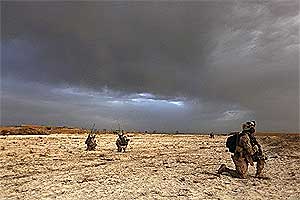 Instead, he said a more "diffuse" threat exists from extremists based in failed states pursuing weapons of mass destruction and from "rogue nations" such as Iran, armed with ballistic missiles that could strike Europe.
Gates said bolstering missile defense and training other countries' troops would be crucial to future alliance efforts.
Even as NATO built up a more agile force that could be deployed abroad, defending the territory of member states remained a "core goal," the US defense secretary said.
Gates said that mission's importance was underscored by "Russia's invasion of Georgia and its recent military exercises on NATO's border -- the largest of that type since the collapse of the Soviet Union."
-AFP


Are you sure you want to delete this comment?
This action cannot be undone.