



Analysts divided on impact of Muhyiddin's bumi party
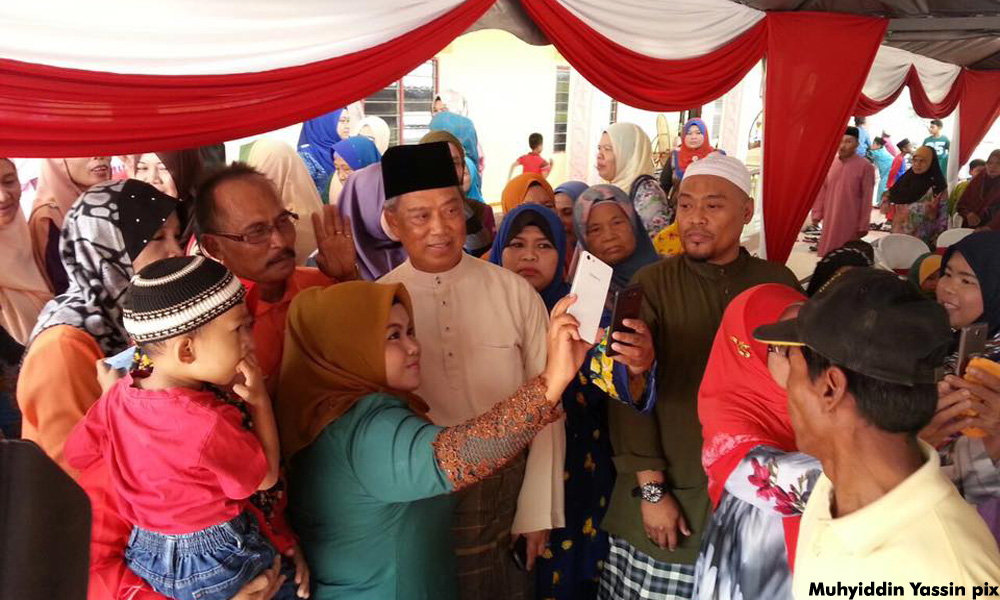
As Muhyiddin Yassin prepares to register Parti Pribumi Bersatu Malaysia this afternoon, analysts are divided on the impact a bumiputera-based political party would have in the next election.
The party is expected to be led by the former deputy prime minister as its president, and with former prime minister Dr Mahathir Mohamad as the chairperson.
On the one hand, their exit from Umno could boost Malay support for the movement to ‘Save Malaysia’ and remove Prime Minister Najib Abdul Razak
But on the other hand, the party may only further split the votes among Malay voters and ensure a victory for Barisan Nasional in the 14th general election, due to be called by 2018...
As Muhyiddin Yassin prepares to register Parti Pribumi Bersatu Malaysia this afternoon, analysts are divided on the impact a bumiputera-based political party would have in the next election.
The party is expected to be led by the former deputy prime minister as its president, and with former prime minister Dr Mahathir Mohamad as the chairperson.
On the one hand, their exit from Umno could boost Malay support for the movement to ‘Save Malaysia’ and remove Prime Minister Najib Abdul Razak
But on the other hand, the party may only further split the votes among Malay voters and ensure a victory for Barisan Nasional in the 14th general election, due to be called by 2018.
Political analyst Prof Ramlah Adam told Malaysiakini that the reputation of Muhyiddin and Mahathir among Malay voters has suffered, following their persistent attacks against Umno and Najib.
“As reputable individuals, when they went ahead and did that (to set up a new party), it appears as if they can’t accept their losses. It is a waste because of all their past contributions for the Malays and Umno.
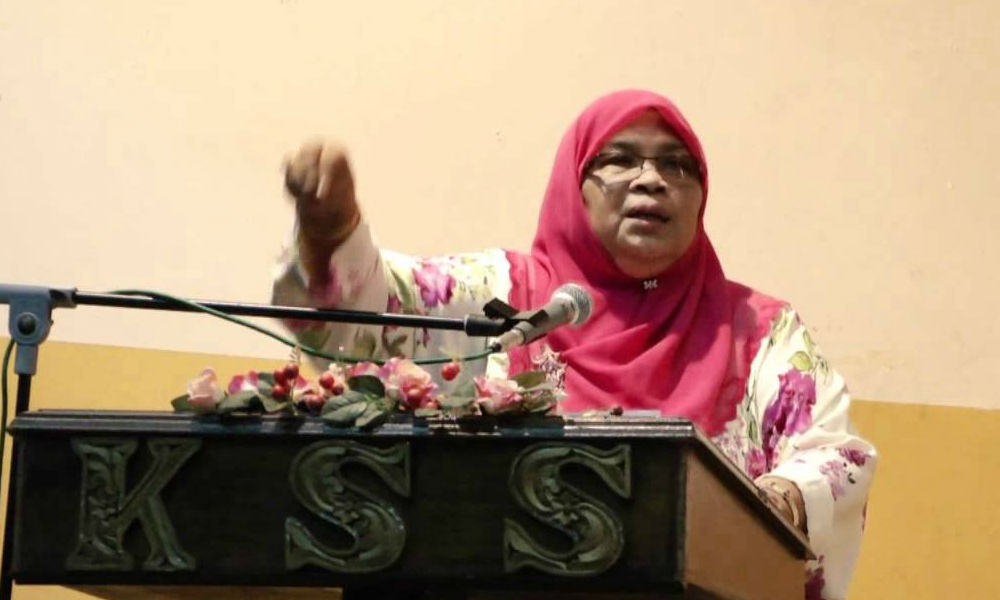 “After all, they themselves were the ones courting trouble (by attacking Najib)…” Ramlah (photo) said, referring to Muhyiddin’s sacking from Umno and Mahathir’s decision to quit the party.
She concurred with views that there are already “too many” Malay-based parties in Malaysia.
She said both Muhyiddin and Mahathir should have conceded defeat after their attempts to remove Najib had failed.
Ramlah, who is the director of the Universiti Malaysia Perlis Royal Institution Research Centre, further claimed that the new party was only set up because of Muhyiddin’s thirst for power.
“He still wants to be a leader. But if he were to join PKR (or other Pakatan Harapan parties) and be appointed as opposition leader, it would not ‘look right’ because a situation could then arise, where not all leaders of that party would trust him,” she said.
'Sackings elicited little outcry'
Ramlah also noted that the sackings of Muhyiddin and former Kedah menteri besar Mukhriz Mahathir – who will also be a pro-tem committee member of the new party – from Umno had elicited little outcry from among party grassroots.
“This is Umno’s culture. The majority of grassroots will not make themselves heard. Najib and the party leadership will not let any such situation (internal rebellion) get out of hand.
“They (former leaders) would be replaced and any critics would soon tire themselves out.
“Even now we can see that the opposition seems to have run out of issues (to attack Najib) and so they keep recycling old allegations,” she said, downplaying speculation of a snap general election.
Ramlah said Najib himself had proven he could reaffirm his position as prime minister and Umno president, as demonstrated in his recent interviews and speeches, including with the Indonesian media.
Political analyst Ahmad Atory Hussain concurs with Ramlah on the existence of a “silent majority” within Umno and among Malay voters.
However, Atory also cautioned that the silent majority could be waiting for GE14 to reject BN, as their votes would then remain a secret.
“In Umno and Malay politics, there is a culture of not showing open disobedience towards party leaders.
“But during the general election, all votes are secret,” said the senior lecturer at Universiti Sains Malaysia.
Atory also said that the new party to be formed registered would be a “replica of Umno” to attract votes from the silent majority, adding that such a move is not new in Malaysian politics.
“There may be many Malay-based parties in Malaysia but none that could match the influence of Umno. Parties like Kita and Ikatan exist, but with not much support,” he said.
'Muhyiddin’s party will be Umno’s true rival'
Weighing in on the new party, political analyst Maszlee Malik cited a chapter in Malaysia’s political history that saw Umno facing off with Semangat 46 during the 1990 general election.
 “This party could potentially trigger a repeat of the Semangat 46 scenario during the early days of its formation, triggering a shift of votes towards the opposition.
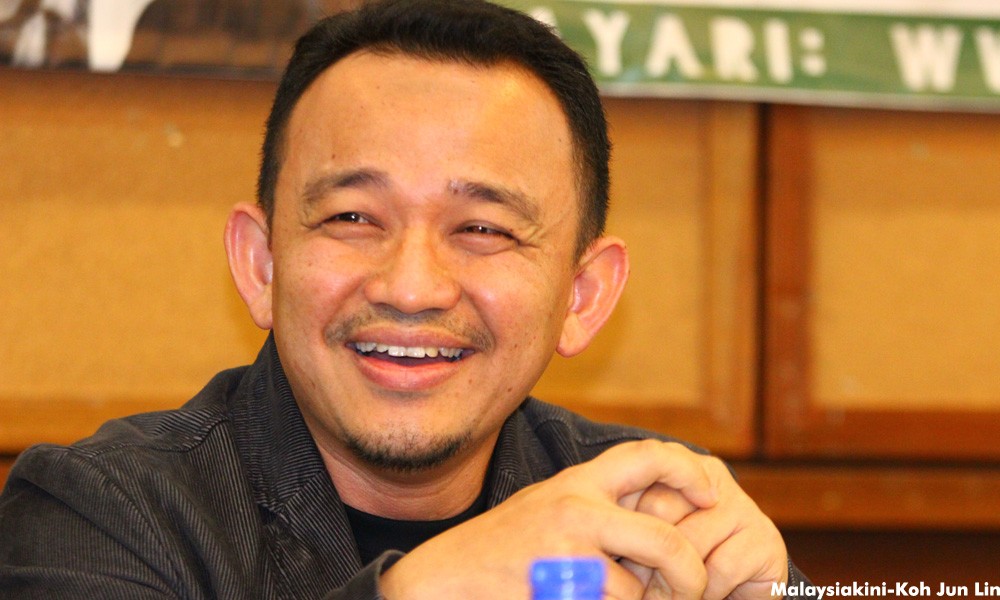
“The only difference now is that the opposition parties are much more prepared than during the 1990 general election,” said Maszlee (photo), who cautioned that it was still too early for any party to dismiss the potential impact of the new party.
At the same time, Atory said the opposition could only hope to capture Putrajaya if it succeeded in presenting a united front against BN, with the addition of yet another new party.
This lesson, Atory said, should be learnt based on Harapan’s past failures to effectively resolve seat negotiation issues during the Sarawak state election, as well as the Kuala Kangsar and Sungai Besar by-elections – all of which saw BN boast thumping victories.
“I believe that the new party can make some impact.
“But in order to achieve their common goal (to remove Najib), all parties must set aside their differences or else their efforts would be in vain,” he added.
Veteran journalist A Kadir Jasin, who had close ties with Mahathir, has so far confirmed that the new political entity would be a Malay/bumiputera-based party.
Aside from Muhyiddin, Mahathir and Mukhriz, others who will be on the committee of the new party include Gabungan Ketua Cawangan Malaysia president Kamarul Azman Habibur Rahman and former Langkawi Wanita Umno leader Anina Saadudin.
Former Bendang Baru Umno Youth chief Akhramsyah Sanusi and student group Challenger leader Syed Saddiq Abdul Rahman are also expected to be on the committee.


Are you sure you want to delete this comment?
This action cannot be undone.