



Analyst: Warisan can’t counter anti-Dr M sentiment in Sabah
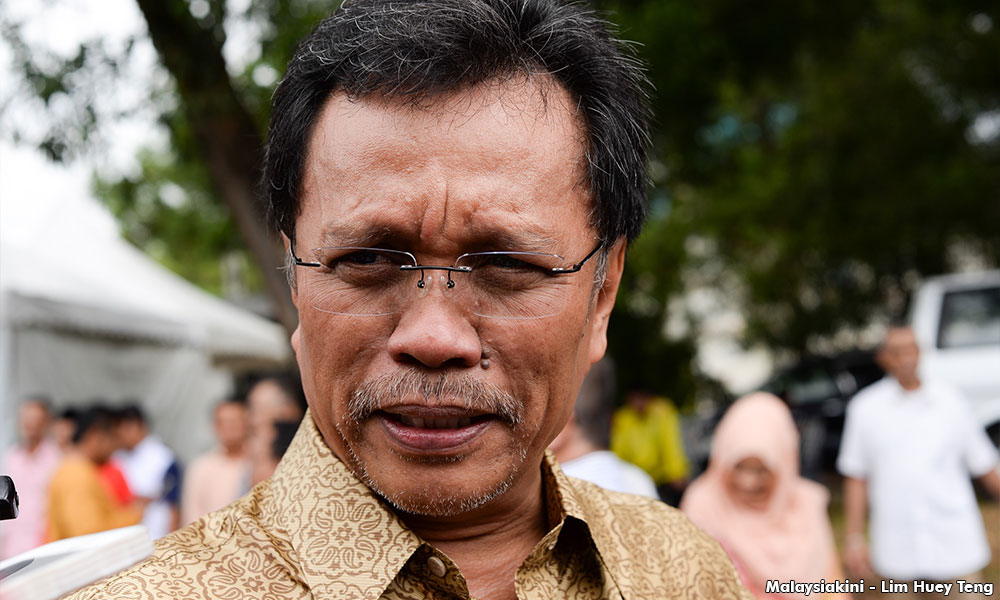
GE14 | Dr Mahathir Mohamad has been a key driver of the much-discussed ‘Malay tsunami’ favouring Pakatan Harapan, but his marred reputation in Sabah is proving to be an obstacle for Parti Warisan Sabah president Shafie Apdal’s efforts to topple BN.
Political analyst Arnold Puyok of Universiti Malaysia Sarawak made this analysis in a forum in Kuala Lumpur today...
GE14 | Dr Mahathir Mohamad has been a key driver of the much-discussed ‘Malay tsunami’ favouring Pakatan Harapan, but his marred reputation in Sabah is proving to be an obstacle for Parti Warisan Sabah president Shafie Apdal’s efforts to topple BN.
Political analyst Arnold Puyok of Universiti Malaysia Sarawak made this analysis in a forum in Kuala Lumpur today.
“Mahathir is a very divisive figure in Sabah… and he is a liability for the opposition there, for Warisan. That explains why Warisan is not really keen on promoting the ‘Mahathir brand’ in Sabah.
“When people look at him, he is regarded as somebody who is not really serious about preserving the rights of Sabahans and the autonomy of Sabah.
“In fact, (when he was prime minister) he centralised power at the expense of the state. And when people asked him to apologise for what he had done in the past, he did not,” Puyok said this afternoon.
Warisan deputy president Darrell Leiking previously admitted that Mahathir’s legacy in the state was tough to neutralise.
It was also during Mahathir's 22-year reign as prime minister when ‘Project IC’ – the systematic granting of citizenship to foreigners in Sabah – took place.
Shafie’s influence limited
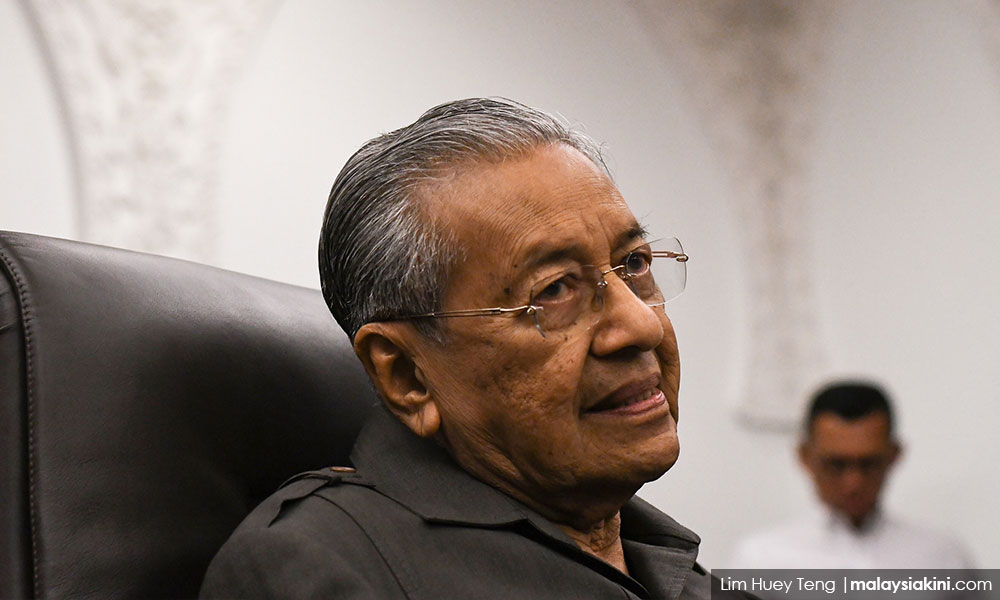
Puyok was also pessimistic about the extent of Shafie’s influence beyond the east coast of Sabah, where the two-year-old Warisan has been focusing its efforts.
Formerly a rural and regional development minister during his time in Umno, Shafie set up the opposition party after he was dropped in a cabinet reshuffle in 2016.
Puyok said that Shafie’s influence among Sabahan Muslims paled in comparison to the combined strength of Sabah BN chairperson Musa Aman and his deputy Salleh Said Keruak.
Musa is influential among the party’s division chiefs, he added, while Salleh had grassroots supports, neither of which Shafie is likely to break in time for the May 9 polls.
“They are trying to sell the Shafie brand (beyond the east coast) but it is difficult... I think for all these years, he has been seen as someone who is very pro-federal government.
“In fact, people are asking if he has done anything in addressing the issue of Sabah’s autonomy and the 1963 Malaysia Agreement (at all),” he added.
These factors, along with the relatively fractured nature of Harapan in Sabah and the presence of numerous local-based opposition parties would likely result in BN maintaining its hold on the state, Puyok predicted.
His GE14 forecast was that BN would win 45 state seats and 21 parliamentary seats in Sabah, while the opposition pact of Harapan and Warisan would manage 15 state seats and just four parliamentary seats.


