


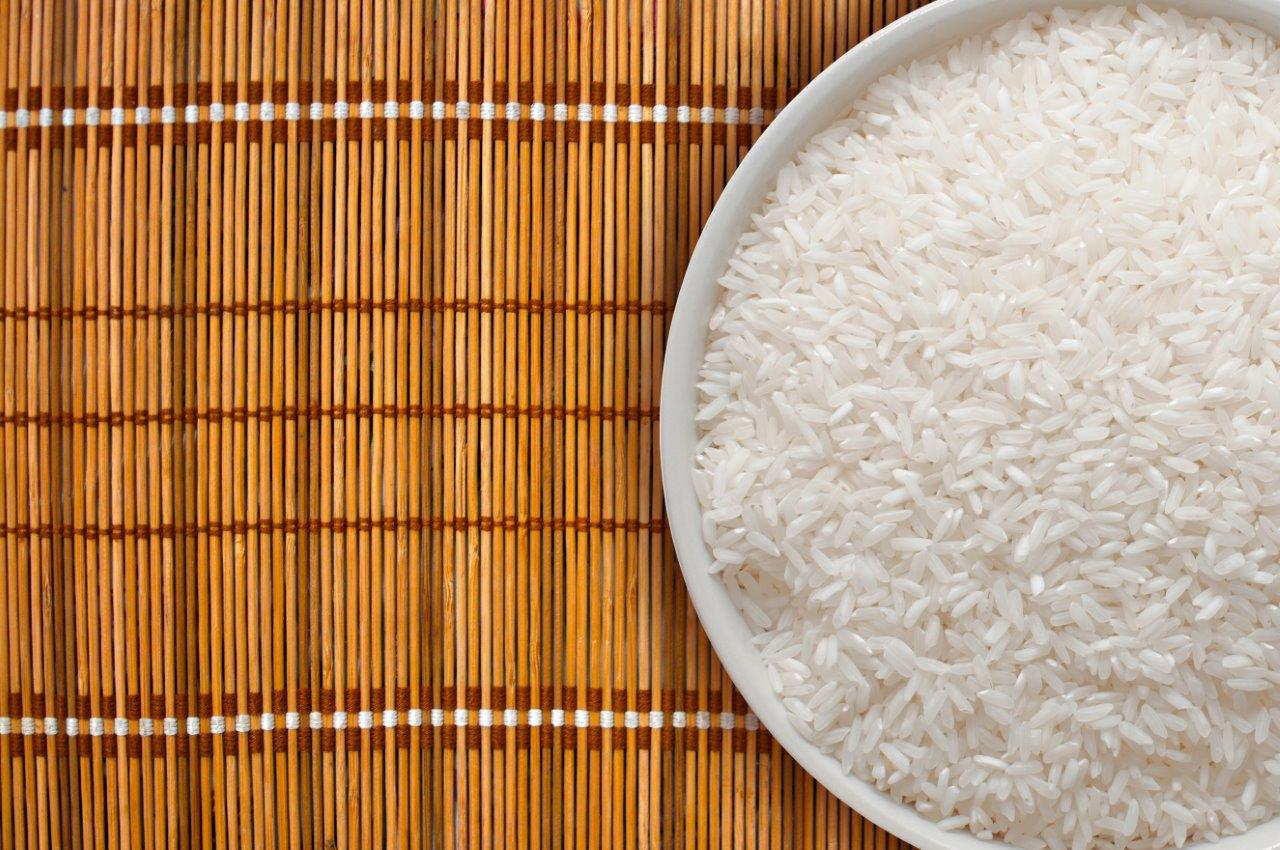

A smart way to eat rice
Sugar Disease – The Modern Man’s Sickness
Diseases have become common-form today. Almost all of us know of someone or are related to someone with heart attack, diabetes or cancer, regardless of ethnicity or social background. With these prevailing numbers, diseases have no longer become something you “hope to avoid.” The high numbers indicate that something is very wrong in society – whether in our diet or our lifestyles. We discuss this here to pinpoint health culprits so that we can proactively and more importantly, effectively prevent diseases.
“Sugar Disease” is the new catchword by the medical community for a host of modern conditions that result from an excessive intake of sugar or refined carbohydrates coupled with a sedentary lifestyle. The seemingly ordinary sugar has been discovered to be a cause of many serious diseases. Think now of your relatives or friends who are afflicted with diseases, and ask them about their lunch and dinner diet. Slightly disconcerting? Sugar disease comes in 3 forms - hypoglycemia, heart and obesity diseases also known as metabolic diseases and diabetes. Let’s explore.
Hypoglycemia
Do any of these symptoms happen to you regularly? Fatigue, mood changes, sugar craving, headaches, difficulty focusing the eyes, temperamental outbursts, depression, abdominal pain, palpitations, panic attacks. You may have some, and very likely dismiss them as part of your stressful life. Symptoms as such have become so common that we brush them off or even forget about them. As these symptoms are often subjective, doctors often only prescribe a panadol and a good rest. Nothing more.
In an age of high-sugar and refined carbohydrate diet, our body is made to work harder compared to pre-industralized days. Our body experiences a rapid sugar fix each time we eat rice, Coke or a rich chocolate cake. While the body goes through an immediate sense of gratification, what follows is an insulin release by the pancreas to lower the blood sugar. It would be useful to know that insulin release is not a natural process and wears the body out when made to accommodate regularly.
The body in a low sugar state is called hypoglycemia. In this state, carb cravings are triggered. The brain, starved from its preferred fuel glucose (sugar), balks, and problems in focus, memory and mood happen. Along with this, an outpouring of counter-regulatory hormones take place to push blood sugar back up. These are the same hormones that produce an adrenaline rush, causing the hypoglycemic to experience palpitations, panic attacks and the likes.
As we can see now, the earlier symptoms mentioned earlier are not just down to stress and life; it goes right down to your sugar intake.
Heart and obesity (metabolic) diseases and diabetes
Doctors are beginning to take an interest in nutrition and advise patients prone to heart diseases to avoid cholesterol and saturated fat. Even so, people on that diet have gone on to develop heart disease. Why so? Is there an insidious cause to this? Refined carbs and sugar have gone under the radar all these while but new medical findings show that these culprits have been doing plenty of harm.
Let’s go back to the insulin surge we get with high sugar intake. Replicate that surge a few hundred thousand times over the course of a lifetime and you end up with an overly sensitive insulin trigger and chronically elevated insulin. What happens then? The aggression of insulin leads to elevated blood pressure, cholesterol and triglycerides, weight gain in mid-section and increased deposits of plaque in the arterial walls. Say hello then to diabetes and heart disease.
With a diet high in sugar, you can almost foretell that your body will take a beating in the next 10-15 years. Insulin surges stress the body, and to prevent diseases, sugar and refined carb intake must be controlled. Diabetes is a common Sugar Disease that has been making its rounds in the past decades. We see further evidence of sugar damage today with overweight and sedentary kids with this disease. Small wonder, then, that an unhealthy heart and weight gain leads to heart disease and may, in fact, be the most prevalent cause of degenerative disease and premature death in modern society. Sugar again at work. Something’s got to give.
Proactively prevent Sugar Disease
What does one do to effectively eliminate Sugar Disease? Like any other problem, let us focus on the solution and work to mitigate it. Exercise and diet are of utmost importance, but let’s discuss diet, as it has a larger impact. Does one have to exclude carbs and concentrate on meat and vegetables? Not at all, this in fact leads to other dietary imbalances with its own implications.
Simply, to avoid Sugar Disease, make it a rule to eat carbs low on the glycemic index (GI). In general, the more complex a carb, the lower in GI it is. For example, oats is low in GI while sugar is high in GI. In sunny Malaysia where we live, rice is a staple enjoyed in many varieties, but unfortunately very high on the GI. Do we them cut out rice completely and blunt the joy of food? Fortunately technology has enabled rice to be enjoyed on the low GI. You are not destined to eat a lifetime of tasteless oats.
The technology of isolating sugar from rice was pioneered by Grayns Research Lab, a joint innovation of Malaysia and US. Five years of research and development resulted in an intelligent rice cooker that is able to separate sugar (amylopectine) from rice, thus producing rice that is low on the GI. In essence, rice cooked the Grayns way is cooked the way it is meant to be – devoid of sugar or starch. It also replicates how rice was cooked decades ago by our forefathers, over firewood and slow- cooking, but undeniably healthier.
The technology to isolate sugar is attributed to its four-stage cooking process. The rice cooker intelligently analyzes the rice grain and identifies the right temperature to isolate the sugar while maintaining nutrients. Once the temperature is identified, the rice cooker holds the temperature to slowly dissolve sugar. When all sugar is effectively removed, the remaining water is drained and rice is cooked to fluff and perfection.
The Grayns rice cooker is part of a lifestyle that involves good health, preventing Sugar Disease and eliminating excess sugar from your diet. It is suitable for diabetics and those looking to lose weight. What is so wonderful about this creation is beyond its’ obvious health benefits, it never sacrifices on the pleasure of enjoying food. Human beings are by nature creatures who love gratification and in that, Grayns gratifies accordingly.
This article is brought to you by Grayns www.grayns.com
See how Grayns works and how it helps in lowering your glycemic load from rice by requesting an actual demo in the comfort of your home. Just fill out the form below and we’ll send the information to an Authorized Dealer in your area.
For immediate assistance, please contact our hotline 1300 88 7474 or email info@grayns.com


Are you sure you want to delete this comment?
This action cannot be undone.