


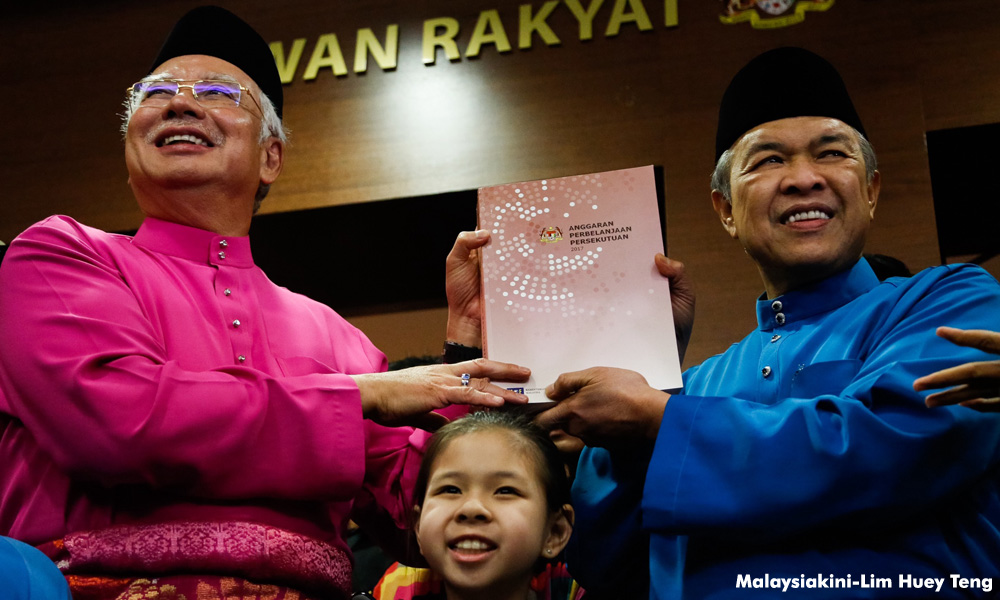

Here’s how to ensure everyone gets enough in Budget 2018
A QUESTION OF BUSINESS | If the budget and economy are well-managed and controlled, there should be no problem for all to be taken care off in the forthcoming budget, to be announced next Friday.
By all accounts, including that of Treasury Secretary-General Irwan Serigar Abdullah, it’s going to be a people-friendly election budget, which will have incentives for small and medium enterprises.
There may even be income tax cuts now that the goods and services tax, or GST, has been imposed for over two years but the quantum of tax cuts is not likely to be very high considering that the government still needs to keep tax revenue at high levels to support expenditure.
Some people are talking about a reduction in GST to ameliorate the high cost of living for the rakyat but that will only lose revenue for the government while doing nothing for the reduction in the cost of living.
That’s because almost all food items and many other related consumables that the poor and middle classes consume are already zero-rated for GST and therefore reducing that tax will have no or insignificant impact on the actual cost of living that most of the population faces.
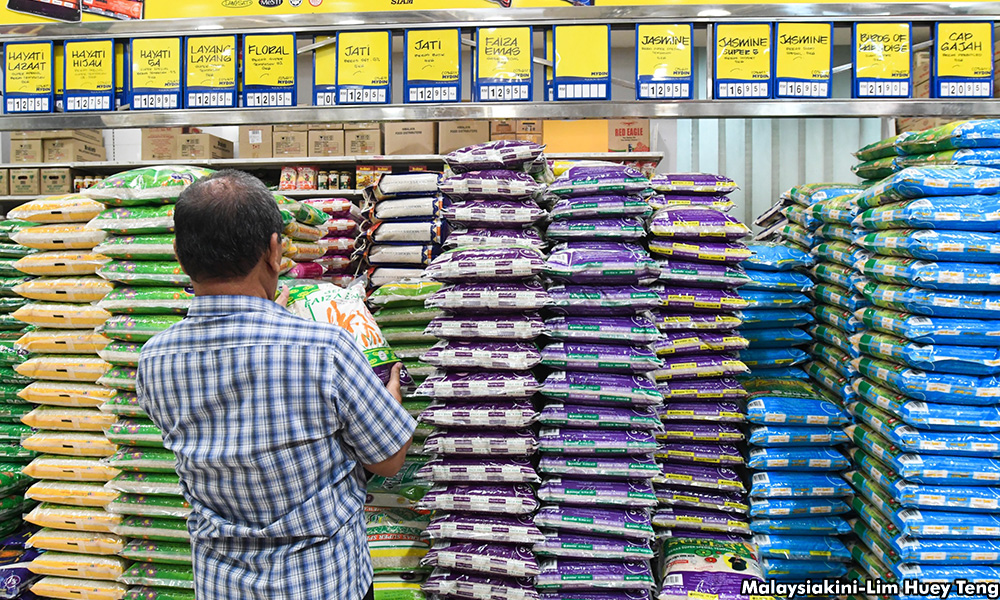
Part of the reason for the higher cost of living is the steep fall in the ringgit which results in increased prices of imported goods - including such staples as rice, sugar, wheat, milk, meat and vegetables. The ringgit has gone from RM3 per US dollar in 2009 to as low as 4.5 and now trades at around 4.2, losing more than a quarter of its value.
The rising cost of living over the past two years is most likely caused by two factors - the introduction of the 6 percent GST in 2015 and the depreciating ringgit. Although many goods and services were rated zero under the GST, traders took advantage of the situation to raise prices.
It will be a rather foolhardy move at this stage to reduce GST as a means to reduce the high cost of living.
It would be a much better strategy to cut needless expenditure, increase revenue in some places and continue with direct grants and bonuses to increase disposable income to a broad sector of the public so that they can deal with the rise in the cost of living.
Thus, one should expect the amounts dished out under the Bantuan Rakyat 1Malaysia, or BR1M, to alleviate poverty among low-income households to be increased and higher bonuses to be paid out to civil servants which will weigh more heavily on those in the lower income group. That would be the right thing to do.
But where would the money come from...
A QUESTION OF BUSINESS | If the budget and economy are well-managed and controlled, there should be no problem for all to be taken care off in the forthcoming budget, to be announced next Friday.
By all accounts, including that of Treasury Secretary-General Irwan Serigar Abdullah, it’s going to be a people-friendly election budget, which will have incentives for small and medium enterprises.
There may even be income tax cuts now that the goods and services tax, or GST, has been imposed for over two years but the quantum of tax cuts is not likely to be very high considering that the government still needs to keep tax revenue at high levels to support expenditure.
Some people are talking about a reduction in GST to ameliorate the high cost of living for the rakyat but that will only lose revenue for the government while doing nothing for the reduction in cost of living.
That’s because almost all food items and many other related consumables that the poor and middle classes consume are already zero-rated for GST and therefore reducing that tax will have no or insignificant impact on the actual cost of living that most of the population faces.
Part of the reason for the higher cost of living is the steep fall in the ringgit which results in increased prices of imported goods - including such staples as rice, sugar, wheat, milk, meat and vegetables. The ringgit has gone from RM3 per US dollar in 2009 to as low as 4.5 and now trades at around 4.2, losing more than a quarter of its value.
The rising cost of living over the past two years is most likely caused by two factors - the introduction of the 6 percent GST in 2015 and the depreciating ringgit. Although many goods and services were rated zero under the GST, traders took advantage of the situation to raise prices.
It will be a rather foolhardy move at this stage to reduce GST as a means to reduce the high cost of living.
It would be a much better strategy to cut needless expenditure, increase revenue in some places and continue with direct grants and bonuses to increase disposable income to a broad sector of the public so that they can deal with the rise in the cost of living.
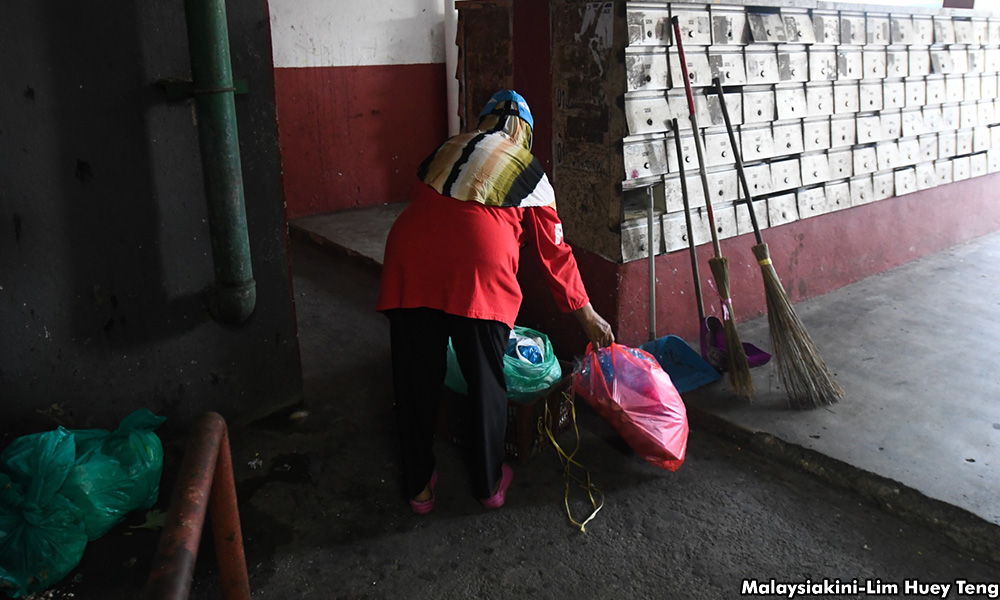
Thus, one should expect the amounts dished out under the Bantuan Rakyat 1Malaysia, or BR1M, to alleviate poverty among low-income households to be increased and higher bonuses to be paid out to civil servants which will weigh more heavily on those in the lower income group. That would be the right thing to do.
Go after real tax evaders
But where would the money come from? There are two aspects to a sustainable budget when the avenues for increasing tax revenues are severely limited. One is to be more efficient in terms of tax and duty collection, and tax only those who can afford to pay, while the other is for the government itself to cut down expenditures.
Let’s start with the revenue side first. It is disappointing that the Internal Revenue Department continues to focus on the wage earner who is already paying taxes as he earns and imposing unreasonable penalties for late submission of forms and the like and restricting their movements overseas.
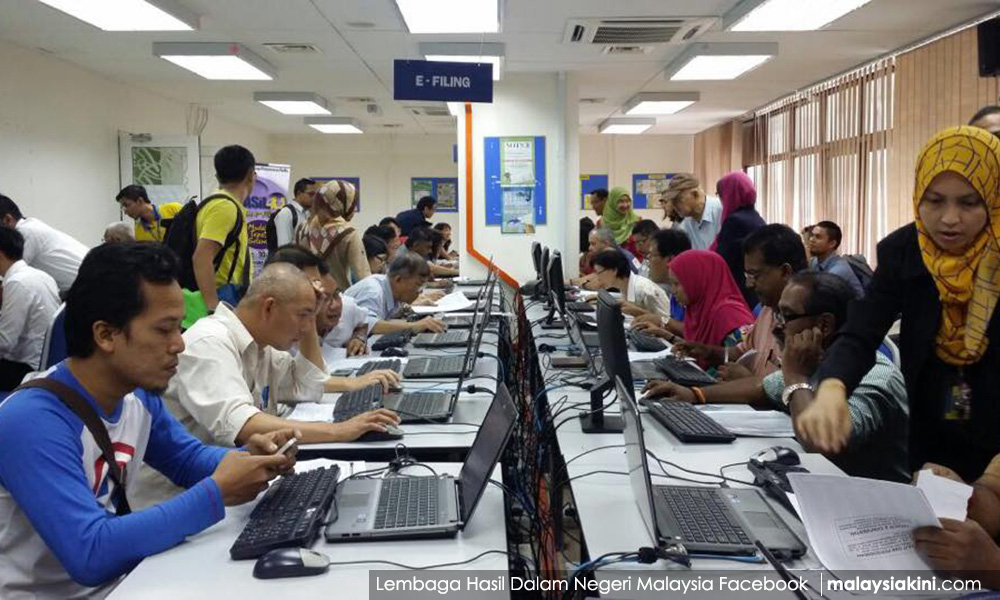
Perfectly respectable people who have endeavoured to pay their taxes have been stopped from boarding their flights ignominiously in full view of other passengers for not paying taxes that they were not even aware that they owed as a result of the tax department going into past records and imposing back taxes.
However, they are doing too little in tracking down the tax evaders - those who have many properties, luxury cars and fat bank accounts but pay inexplicably little or no taxes at all. It is easy enough to trace properties and assets, and see if these people pay taxes.
If they do that, they can catch a lot of big fish in their net instead of squeezing the small man by placing ever-increasing penalties on them - and increase tax revenues at the same time. But perhaps they are wary of who they may find in their net.
Tax on share trading
Which brings us to one of our key points. Why not introduce a capital gains tax on share trading? Yes, in this moribund stock market, it may not be much but as with the GST, the record-keeping that this entails will stop people from claiming that their untaxed income came from share trading. There is no such capital gains tax now.
World statistics indicate that one percent of the population of the world owns 50 percent of its wealth. So if I were a tax official what would I do? Focus on that 1 percent to see how much tax they did not pay, of course. For the same amount of time, I will get much better returns.
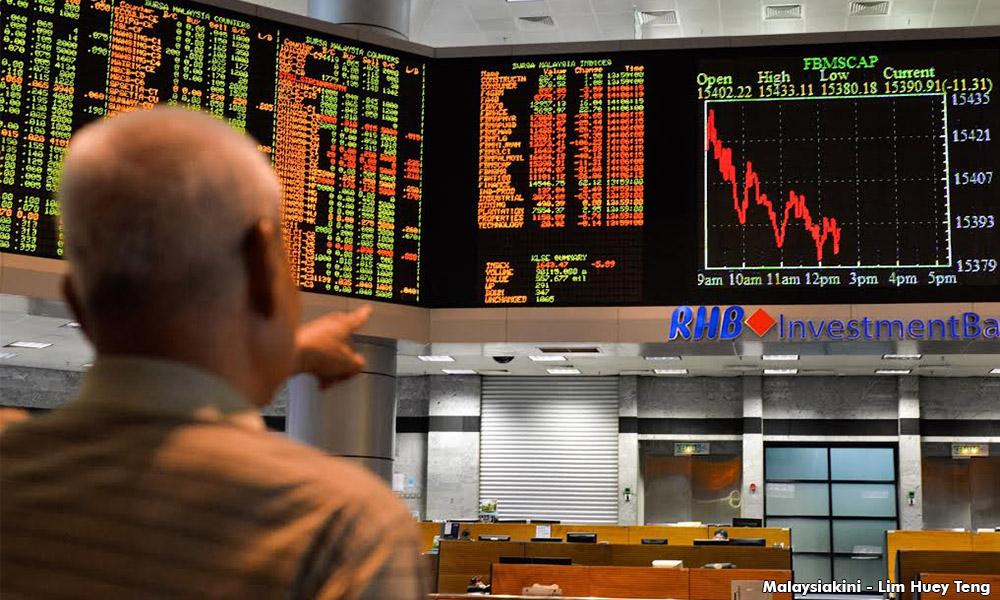
So start off with a capital gains tax of say 15-20%, not a big sum, and reduce the amount the longer the shares are kept. In a matter of a few years and when the market improves, it will provide a decent tax income and there will be records which will be useful for tax mining much like GST records now are.
And then yes, the final component - cost reduction. If the government reduces costs right now intelligently, it can divert the savings to other areas such as BR1M or government bonuses.
We have seen how the MACC has diligently uncovered excessive spending on RM7.5 billion of water projects in Sabah under the former land and regional minister. It has been alleged that as much as RM1.5 billion - or 20 percent - has been siphoned off and intensive investigations and extended remands are the order of the day.
So it would be reasonable to assume that if things are controlled and government spending, especially on new procurement and development is tightened up, as much as 20 percent could be saved. Dare we hope that the government can cut 20 percent of procurement and development expenditure and divert the extra money saved to other more useful things?
I shall leave that question unanswered, save to say that with proper management and controls, we will have enough for everyone.
P GUNASEGARAM says when it comes to budgets stopping wastage is as or more important than raising tax revenue. E-mail: t.p.guna@gmail.com.
The views expressed here are those of the author/contributor and do not necessarily represent the views of Malaysiakini.


Are you sure you want to delete this comment?
This action cannot be undone.