


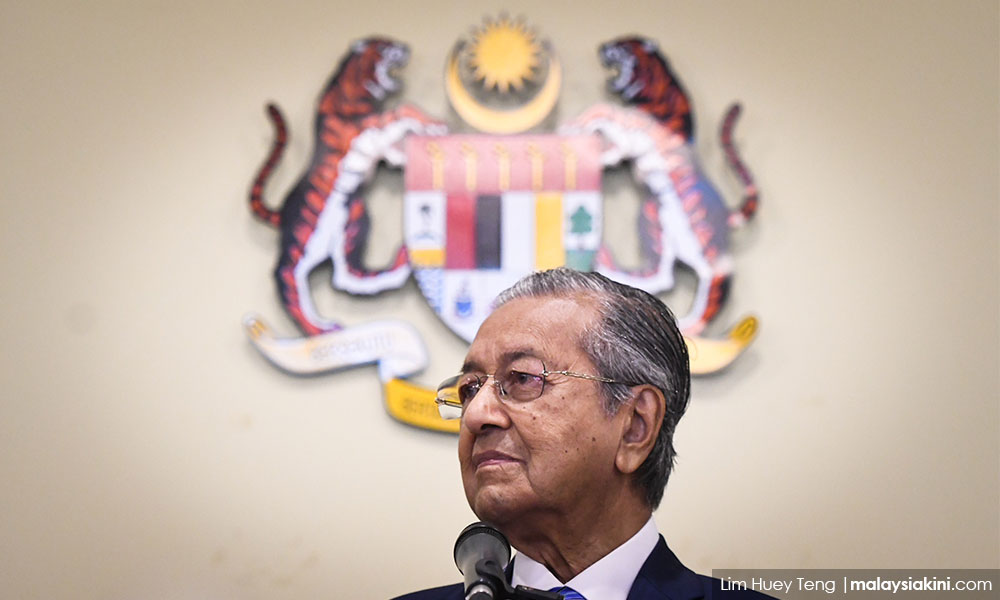

The irrational fear of criticising Mahathir
COMMENT | There is an irrational fear out there. Many Pakatan Harapan supporters are extremely fearful of criticising Prime Minister Dr Mahathir Mohamad’s government.
They imagine criticism to be like throwing stones at an already-delicate glasshouse. If we criticise this supposedly infant government, it would tumble and we would usher back another era of BN-Umno and Najib Abdul Razak. Thus, what we should do is be staunch defenders of Mahathir’s government; anyone who thinks otherwise is a BN supporter on a hangover.
But this fear is wholly irrational. Criticising the current government will not cause it to tumble; criticising Mahathir’s regime will not bring us back to Najib’s regime; criticising powerholders does not make you a corrupt, unprincipled, unkindly BN supporter.
I have no doubt that many fearmongers are driven primarily by the good intention of protecting the precious spoils of the sweet May 9 victory. But if we truly intend to prevent a return of BN-Umno and Najib, then we must be ready to criticise our government openly and frequently.
What we should fear is not criticism; what we should fear is the fear of criticism.
First, we should always be prepared to criticise the government because it is in the public interest to do so. While Najib may have treated the government coffers as his personal property, we must ensure that Mahathir’s government recognises the fundamental principle that governments are public trustees of our tax money.
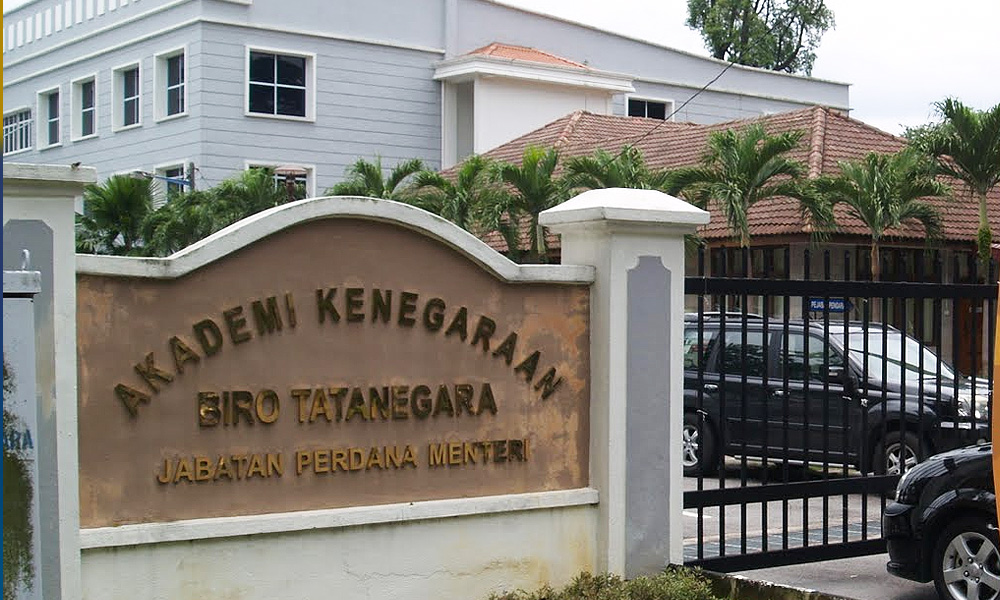
It follows logically that every decision the government makes must be transparent, and upon any suspicion of wrongdoing, we must be ready to demand an explanation and/or criticise. For example, before the government embarks on a major project such as a third national car or the maintenance of the National Civics Bureau (BTN), we are entitled to demand explanations. If there are no explanations forthcoming, or if they were unsatisfactory, we must criticise...
COMMENT | There is an irrational fear out there. Many Pakatan Harapan supporters are extremely fearful of criticising Prime Minister Dr Mahathir Mohamad’s government.
They imagine criticism to be like throwing stones at an already-delicate glasshouse. If we criticise this supposedly infant government, it would tumble and we would usher back another era of BN-Umno and Najib Abdul Razak. Thus, what we should do is be staunch defenders of Mahathir’s government; anyone who thinks otherwise is a BN supporter on a hangover.
But this fear is wholly irrational. Criticising the current government will not cause it to tumble; criticising Mahathir’s regime will not bring us back to Najib’s regime; criticising powerholders does not make you a corrupt, unprincipled, unkindly BN supporter.
I have no doubt that many fearmongers are driven primarily by the good intention of protecting the precious spoils of the sweet May 9 victory. But if we truly intend to prevent a return of BN-Umno and Najib, then we must be ready to criticise our government openly and frequently.
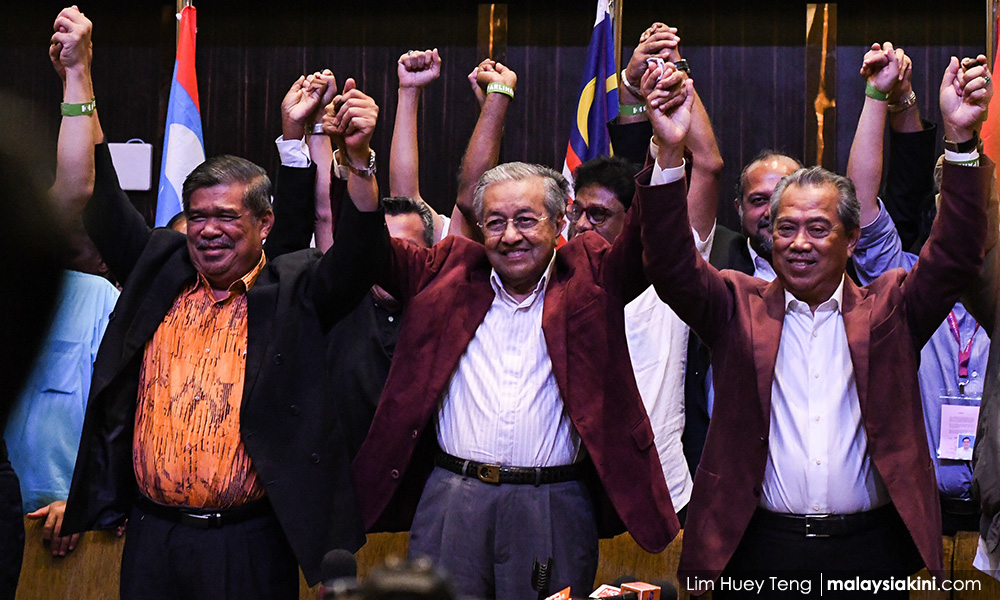
What we should fear is not criticism; what we should fear is the fear of criticism.
Why we should criticise
First, we should always be prepared to criticise the government because it is in the public interest to do so. While Najib may have treated the government coffers as his personal property, we must ensure that Mahathir’s government recognises the fundamental principle that governments are public trustees of our tax money.
It follows logically that every decision the government makes must be transparent, and upon any suspicion of wrongdoing, we must be ready to demand an explanation and/or criticise. For example, before the government embarks on a major project such as a third national car or the maintenance of the National Civics Bureau (BTN), we are entitled to demand explanations. If there are no explanations forthcoming, or if they were unsatisfactory, we must criticise.
Second, we are entitled to criticise because the politicians in government are chosen by us. They are not humans of a special kind chosen by the heavens; they are merely our representatives. So if we are unhappy with a particular action or inaction, policy or decision, then we are entitled to criticise, for politicians’ legitimacy is something we have given them.
Third, and most important, criticisms of Mahathir’s government is the true litmus test of accountability. The essence of accountability is seen not when you successfully criticise your opponents - that is too easy. The true test of accountability is whether you can start criticising your allies on the same side. Because if you can hold accountable peers who have erred, then our country has passed the test for accountability.
You must always be ready to criticise the government.
We have a weak government if it constantly requires defending. The government has at its disposal all the resources, expertise, and willpower available in the country and beyond to respond to criticism and act accordingly. You don’t have to defend powerholders.
The only exception, perhaps, is when the criticism is disproportionate or factually incorrect. But other than that, no criticism should be feared.
Why would the most powerful entity of the country require defending? What the government requires is not praise or defence; what it requires is criticism to keep it in line.
Power corrupts
We must always be vigilant and guard against the insidious risk of corruption of power. History showers us with plentiful tales of how even the most honest politician in the world may eventually be corrupt when he becomes too comfortable with power.
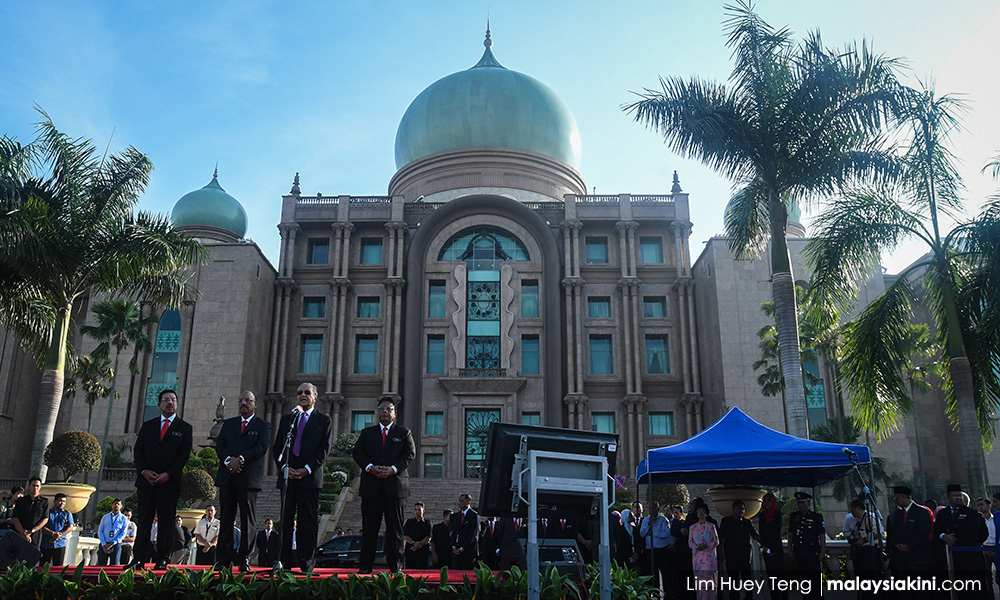
To limit power, we must create viable systems. We must make sure the prime minister only holds two terms in office; does not concentrate all state powers in his hands; and does not do anything without prior consultation.
But lest we forget, the single most important component of this accountability system is the people. We can have the most progressive laws and constitution in the world, but without the people and their willingness to criticise, nothing will matter.
Our duty as citizens is not to hope for politicians to be incorruptible. Our duty as citizens is to create systems to make sure that even the most dishonest politician has no opportunity to be corrupt. And we do this by criticising openly and frequently.
You will have a functioning democracy only if you can keep it.
I don’t blame anyone who still fears to criticise, though. It takes some getting used to. We have lived so long under an authoritarian regime. Our residual feudalistic instincts made it easier to keep our eyes, ears, and mouths shut. We have yet to awaken from the tragic days of BN-Umno and Najib.
However, the greatest tragedy is not that we have lived so long under oppressive laws that stifled criticism. The greatest tragedy is when we choose to stifle our criticism voluntarily even when there are no more oppressive laws hanging over us.
The only way to protect the victory of May 9 is to criticise, criticise, criticise. If we fear, then the gloomy clouds may come back to our shores, and we will have tyrants in different clothes.
After all, Najib was not a special kind of evil—he was merely a product of a failed system.
JAMES CHAI works at a law firm. His voyage in life is made less lonely with a family of deep love, friends of good humour and teachers of selfless giving. This affirms his conviction in the common goodness of people: the better angels of our nature. He tweets at @JamesJSChai.
The views expressed here are those of the author/contributor and do not necessarily represent the views of Malaysiakini.


Are you sure you want to delete this comment?
This action cannot be undone.