




Phang's punishment hardly the end of PKFZ saga
COMMENT | One workday morning in 2007, a group of immigration officers turned up at the headquarters of the Port Klang Free Zone (PKFZ) which the Port Klang Authority (PKA) was jointly developing with the Dubai-based Jebel Ali Free Zone (Jafza).
They asked Jafza’s representative, Noel Gulliver, for his work permit. He had none. According to an agreement between Jafza and the PKA, it is the latter’s responsibility to obtain a permit for Gulliver. They frog-marched him from his office to the Immigration Department for “being in gainful employment without a work permit”.
Ten years have passed since this incident – a culmination of an acrimonious relationship between the two parties. The immediate effect was that the project ended up in what was then the biggest financial scandal in Malaysian history. In those tumultuous days, OC Phang was general manager of the PKA.
After the fiasco was exposed by the media, she was summoned to appear before the Public Accounts Committee (PAC). Azmi Khalid who chaired the meeting summed it all up: “She (Phang) doesn’t even know what we mean by cash flow projection.”
Azmi said the financial management by Phang and her team was “weak and poor” and that no cash flow projection was made for the project. But nothing happened – just an admonition and it was business as usual.
Then in 2008, the newly-minted transport minister Ong Tee Keat was adamant in getting to the bottom of the issue which had constantly come under attacks by then opposition leader, Lim Kit Siang.
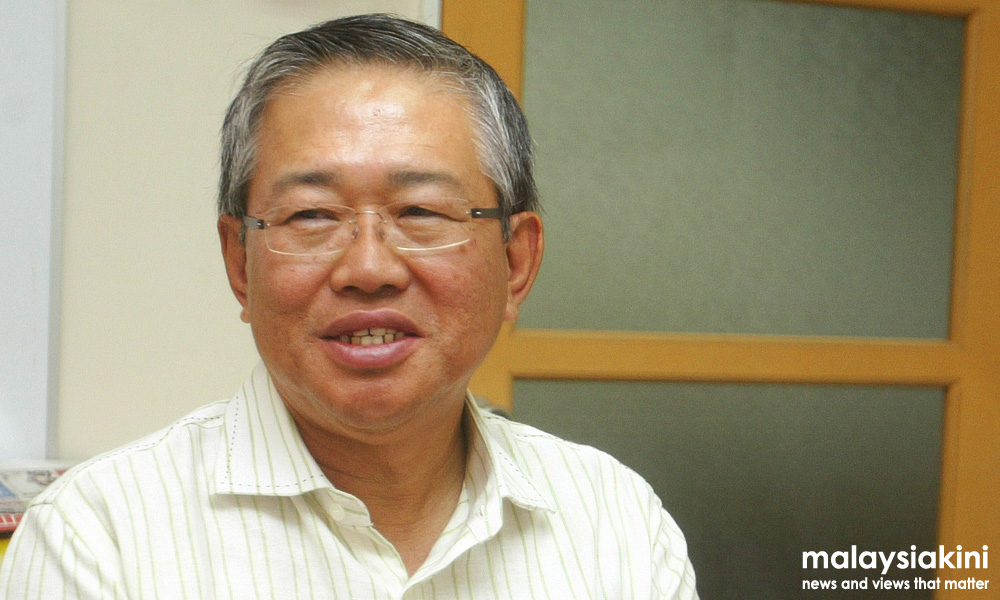
With an equally enthusiastic chairperson, Lee Hwa Beng (photo below), the accounting firm of PriceWaterhouseCoopers was commissioned to carry out investigations and produce a comprehensive report.
To cut a long story short, the damning report identified the people and the methodologies they used to syphon taxpayers’ money to the tune of millions. The report indicated that members of the board were either in connivance with the management or were “totally sleeping” when decisions were made.
The report was presented to the then premier Najib Abdul Razak who set up a “super task force” to look into the matter. The issue died a slow and lingering death.
The PKA board vetoed a proposal to hold members of the previous boards liable for breach of fiduciary duties. In the meantime, Tee Keat lost his ministerial post. Before Hwa Beng was dumped due to political expediency, he convinced the directors that Phang should be held accountable and be sued for breach of fiduciary duties.
With a new minister and a new chairperson, many issues were swept under the carpet. Complaints to various professional bodies were withdrawn without any valid reasons and the “abang-adik” culture reigned supreme. Because of the relentless media pressure, none dared to withdraw the suit against Phang. It dragged on for years...
COMMENT | One workday morning in 2007, a group of immigration officers turned up at the headquarters of the Port Klang Free Zone (PKFZ) which the Port Klang Authority (PKA) was jointly developing with the Dubai-based Jebel Ali Free Zone (Jafza).
They asked Jafza’s representative, Noel Gulliver, for his work permit. He had none. According to an agreement between Jafza and the PKA, it is the latter’s responsibility to obtain a permit for Gulliver. They frog-marched him from his office to the Immigration Department for “being in gainful employment without a work permit”.
Ten years have passed since this incident – a culmination of an acrimonious relationship between the two parties. The immediate effect was that the project ended up in what was then the biggest financial scandal in Malaysian history. In those tumultuous days, OC Phang was general manager of the PKA.
After the fiasco was exposed by the media, she was summoned to appear before the Public Accounts Committee (PAC). Azmi Khalid who chaired the meeting summed it all up: “She (Phang) doesn’t even know what we mean by cash flow projection.”
Azmi said the financial management by Phang and her team was “weak and poor” and that no cash flow projection was made for the project. But nothing happened – just an admonition and it was business as usual.
Then in 2008, the newly-minted transport minister Ong Tee Keat was adamant in getting to the bottom of the issue which had constantly come under attacks by then opposition leader, Lim Kit Siang.
With an equally enthusiastic chairperson, Lee Hwa Beng (photo below), the accounting firm of PriceWaterhouseCoopers was commissioned to carry out investigations and produce a comprehensive report.
To cut a long story short, the damning report identified the people and the methodologies they used to syphon taxpayers’ money to the tune of millions. The report indicated that members of the board were either in connivance with the management or were “totally sleeping” when decisions were made.
The report was presented to the then premier Najib Abdul Razak who set up a “super task force” to look into the matter. The issue died a slow and lingering death.
The PKA board vetoed a proposal to hold members of the previous boards liable for breach of fiduciary duties. In the meantime, Tee Keat lost his ministerial post. Before Hwa Beng was dumped due to political expediency, he convinced the directors that Phang should be held accountable and be sued for breach of fiduciary duties.
Sterling judgment
With a new minister and a new chairperson, many issues were swept under the carpet. Complaints to various professional bodies were withdrawn without any valid reasons and the “abang-adik” culture reigned supreme. Because of the relentless media pressure, none dared to withdraw the suit against Phang. It dragged on for years.
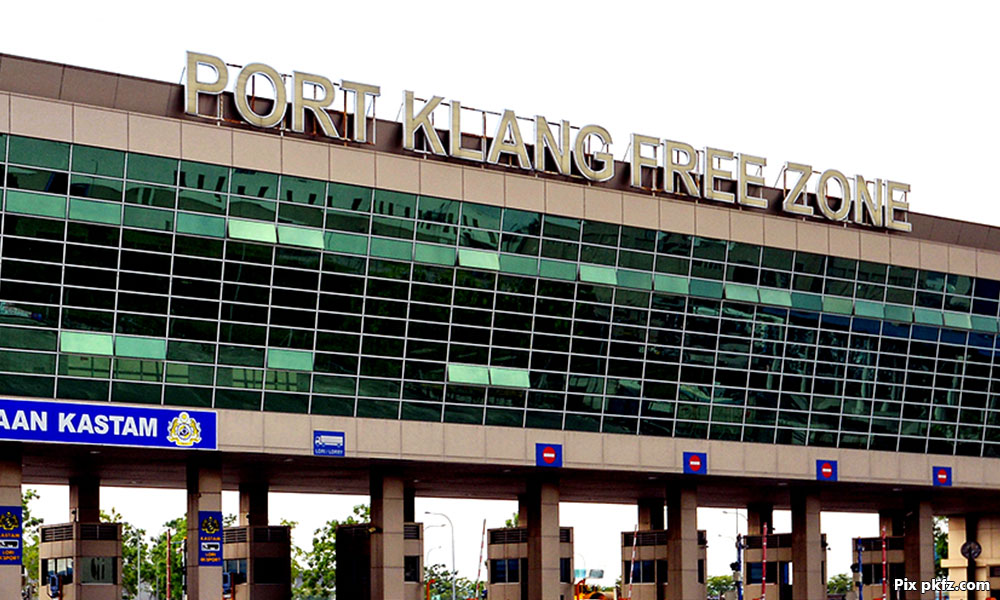
Yesterday, the equation changed and perhaps, a few precedents were set on ministerial powers and fiduciary duties. The Shah Alam High Court ordered Phang to pay damages to the PKA over losses suffered in the construction of the PKFZ. PKA called eight witnesses while Phang’s lawyers closed their case without calling any.
Judge M Gunalan said Phang decided not to call key witnesses although several names surfaced during the trial including a former transport minister.
“This was important to her claim that she had acted under their instructions without the need to refer to the PKA board of directors,” he said.
He said Phang owed fiduciary, contractual and common law duties to PKA. As such, Gunalan said she could not bypass PKA’s board and unilaterally obtain instructions from the minister of transport or the minister of finance before entering into and committing PKA into binding agreements with huge financial implications.
The fate and culpability of the 23 directors (during whose tenure the breach occurred) are now in limbo. The Federal Court had allowed Phang to include them as co-defendants. They include former cabinet ministers, Dr Ting Chew Peh and Chor Chee Heung, and executive chairperson of Westports Malaysia Sdn Bhd G Gnanalingam.
While the legal eagles argue over the culpability of the respective parties, the judge must be applauded for incorporating the doctrine of fiduciary duties for people holding office in high places.
With this ruling, those holding office in government-linked companies; government-owned companies and statutory bodies registered under the Companies Act can longer offer the defence of “instructions from the minister”.
They cannot bypass their boards, however trivial the issue is.
This decision should encourage other government agencies to institute proceedings against their directors for breach of fiduciary duties and other financial irregularities.
R NADESWARAN has been following the PKFZ affair for more than a decade and has a written book on the scandal. The court decision is not a grand finale to its issues. There are many more and it isn’t over till the fat lady sings. Comments: citizen.nades22@gmail.com.
The views expressed here are those of the author/contributor and do not necessarily represent the views of Malaysiakini.


Report this comment
Are you sure you want to delete this comment?
This action cannot be undone.