



COMMENT | Amphibian politicians: Options to manage them
COMMENT | Malaysia is no stranger to elected representatives changing political parties during their term period. Previously, such movements have resulted in the collapse of a certain state government at a certain time.
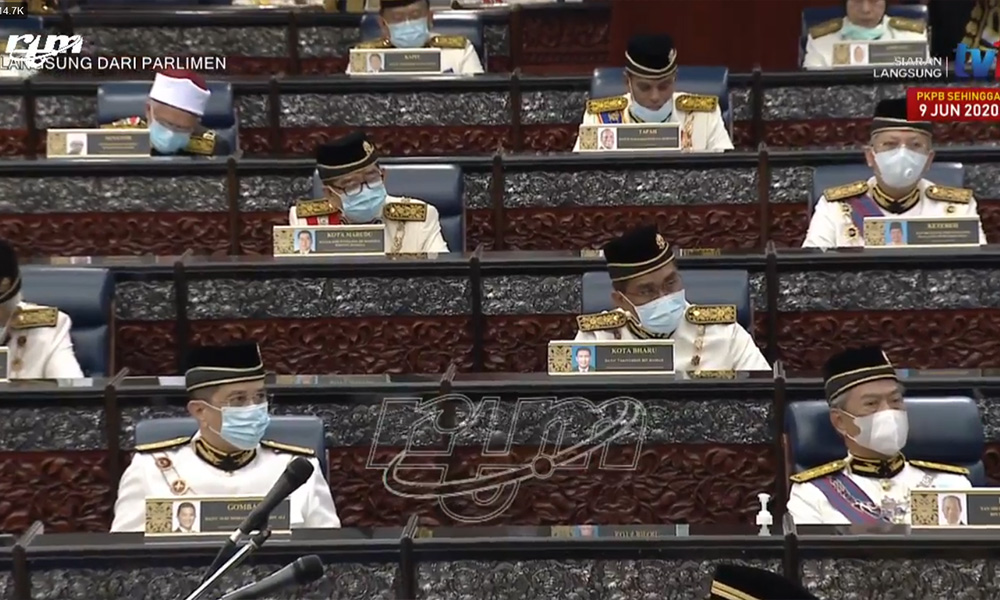
However, the issue of defections rose to an unprecedented level this year when the democratically elected federal government of Pakatan Harapan collapsed, followed by a string of collapses of Harapan state governments in the span of four months.
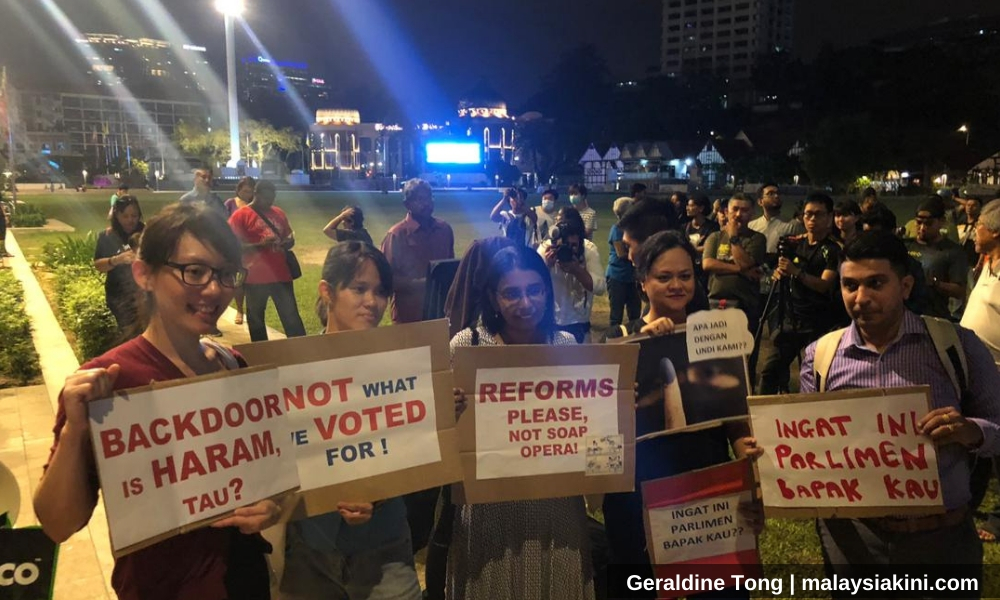
The implications of this round of 'crossing the floor' caused unprecedented shockwaves and created a dangerous situation of apathy and disillusionment for voters. In light of these events, voters feel helpless, betrayed, and may refuse to come out in big numbers for future elections. However, it is important to put aside emotions, examine the reasons behind defections, and think of measures to manage this issue.
Firstly, we, as voters, should be objective when examining the motivations for an elected representative to switch allegiances. Beyond the minimalistic view that a politician defects to get a better deal, let’s examine...
COMMENT | Malaysia is no stranger to elected representatives changing political parties during their term period. Previously, such movements have resulted in the collapse of a certain state government at a certain time.
However, the issue of defections rose to an unprecedented level this year when the democratically elected federal government of Pakatan Harapan collapsed, followed by a string of collapses of Harapan state governments in the span of four months.
The implications of this round of 'crossing the floor' caused unprecedented shockwaves and created a dangerous situation of apathy and disillusionment for voters. In light of these events, voters feel helpless, betrayed, and may refuse to come out in big numbers for future elections. However, it is important to put aside emotions, examine the reasons behind defections, and think of measures to manage this issue.
Firstly, we, as voters, should be objective when examining the motivations for an elected representative to switch allegiances. Beyond the minimalistic view that a politician defects to get a better deal, let’s examine general motivations behind such moves (Heller and Mershon, 2008):
1. The positioning of an elected representative's policy
2. The positioning of a political party
3. The ability of a political party to influence outcomes
4. The ability of an elected representative to influence such outcomes
In the Malaysian context, we have noticed the following types of 'crossing the floor':
1. Party A to Party B (for example, PAS to Amanah)
2. Party A to Independent (for example, Baru Bian of PKR being independent for a period of time)
3. Independent to Party A (for example, Ho Yip Kap (Independent) of Tanah Rata in 2008 and joined Gerakan in 2010)
With the above points in mind, we must contextualise the concept of 'crossing the floor' with our electoral system and laws at hand. Since Malaysia practices first-past-the-post voting, we elect individual representatives for our geographical seats.
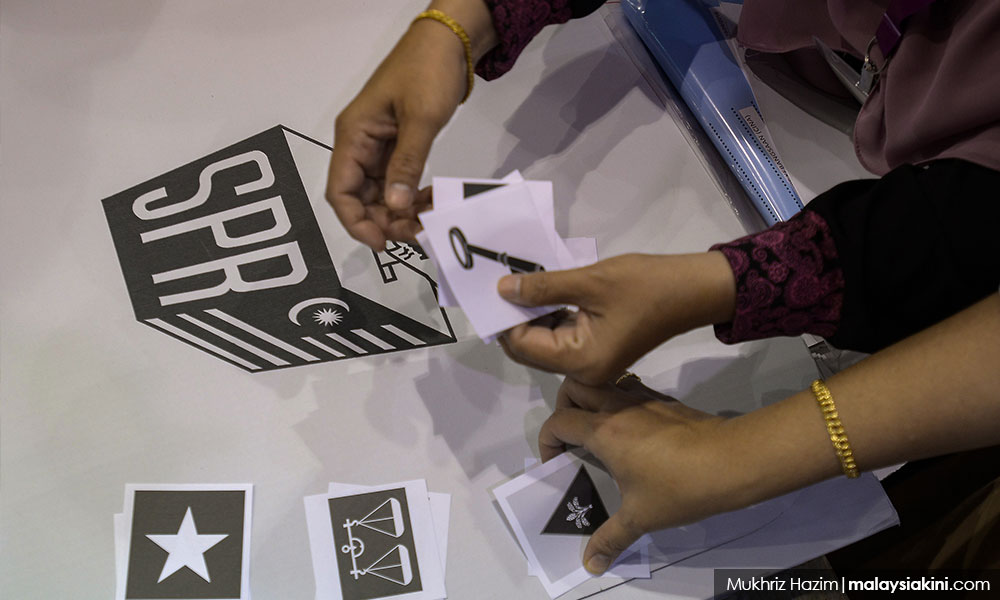
On our ballots, our candidates usually carry a party symbol. Hence, there is an important question one needs to address. Is the voter entrusting their vote to a candidate or to a party or to both? Secondly, some of us are inclined to call our defecting elected representative to resign without understanding there is a significant barrier for the representative at hand.
Our current laws at the federal and state levels deter the 'honourable' act of resigning upon defection, as by doing so, an elected representative will deny themselves from contesting for the next election (as they are barred from contesting for the next five years)
At this juncture, we have grasped the challenges and motivations for every elected representative who is inclined to switch political allegiances. You would have realised by now, as a voter, you have practically no recourse to hold a defecting politician to account. Instead of being cynical or arguing using one-liners, I would like to present four options for you to reflect and advocate for.
Option 1: Recall elections
According to the International Institute for Democracy and Electoral Assistance (IDEA), a recall election is one of the three forms of direct democracy. A recall election is a procedure for the voters to remove their elected representative through a direct vote before that official’s term has ended.
Adding the element of direct democracy allows the voters to gain control of the behaviour of elected representatives. A recall election can be used more than just to hold a politician accountable upon their defection. It can be used when the voters perceive their elected representatives are not performing up to expectations. The recent historic outcome of the Kaohsiung mayor being booted out was possible due to the presence of recall elections in Taiwan.
According to International IDEA, recall elections have two main stages:
1. Initiation of the recall process whereby a sufficient number of signatures are collected to support the recall
2. Upon the attainment of verified and required level of support, the recall vote takes place
Should the recall vote result in the removal of the elected representative, the seat will be declared vacant in the Malaysian context and a by-election is to be called within 60 days upon the notice of vacancy.
Below is a proposal on how recall elections could work out in Malaysia:
1. A voter of a given constituency, aged 18 and above, may launch the recall
2. A recall process may take the form of a specific draft related to the incumbent elected representative. Example below:
"Shall [title and name of elected representative, name of constituency they represent] be recalled (removed) from the Dewan Rakyat/State Legislative Assembly?”
3. Signatures should only be collected once the proposed initiative is successfully filed at the management body of the recall process (i.e. Election Commission). This will be the start date and four months are given to collect signatures
4. The recall vote will be only called should there be a petition of 10% of registered voters of the constituency (at the time the petition was initiated) before the recall takes place. All signatures must be verified prior to the start of recall vote
5. The process of the recall vote and nominating a successor should be separate. The recall vote is to be initiated within 60 days when the recall vote is qualified
6. The incumbent representative is removed when a majority of the registered voters, who participated in the recall, vote to approve the removal of the incumbent
7. Once the incumbent is removed, the speaker of the House or State Legislative Assembly shall notify the Election Commission of the vacancy. A by-election is triggered
8. The defeated incumbent should be given the right to contest in the by-election
While this mechanism is laudable, all of us should be aware of the challenges of holding recall elections. For a start, conducting a by-election is financially expensive.

Post GE14, each DUN by-election cost Malaysians RM1-2 million, and each parliamentary by-election cost RM 3-4 million. For the recall election process, there would be additional costs such as verification of signatures, drafting the specific proposal, and the actual conduct of the recall vote. While some argued certain states in Malaysia should adopt the recall concept, lawyers must be consulted in amending state constitutions to prevent a direct challenge by the federal law. The Electoral Offences Act should be applied throughout all stages of recall elections to ensure the process is conducted in a free and fair manner.
Option 2: Anti party-hopping law
A common opinion raised by many, from activists to constitutional lawyers, is the concept of an anti-party-hopping law. Depending on the national context, anti-party-hopping laws would disqualify the ability of elected representatives to continue their term in the legislature due to switching allegiances or expulsion from their party.
Advocates of this law argue that the defecting politician breached the faith of the voters (as most voters associate the candidate with the party). They say that this law would strengthen the party concept, prevent larger parties from luring smaller parties in exchange for powers and gifts, as well as improve democratic accountability.
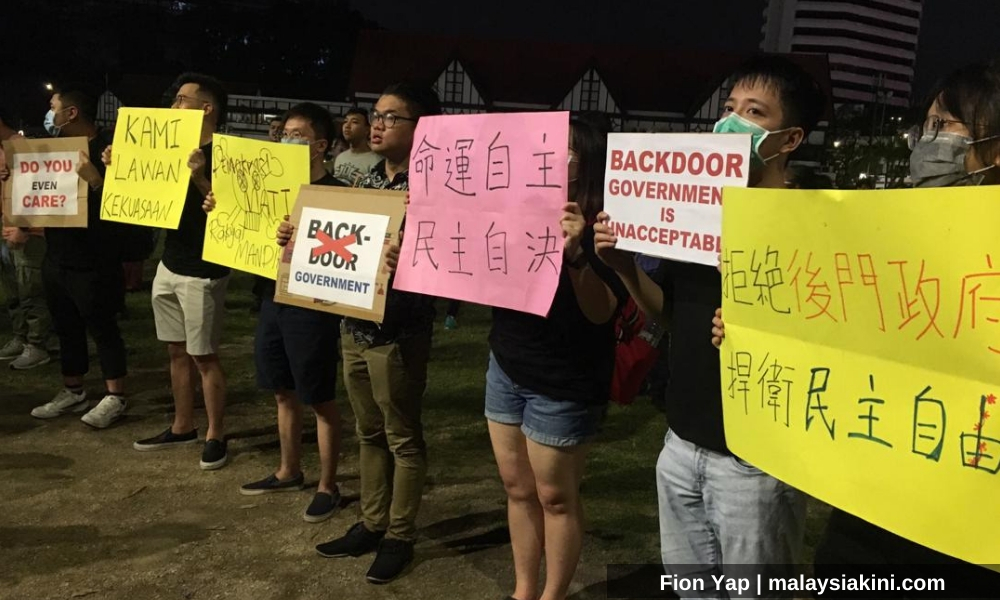
There are many variations of anti-party-hopping laws in the world which can be summarised to the following situations where an elected representative loses his or her seat as:
1. They resign from their original party
2. They cross the floor (i.e. move to another party)
3. They are expelled from their original party
The main benefit of an anti-party-hopping law is the consequences to a defecting politician is immediate. The only financial cost will be the conduct of a by-election.
However, fully-fledged anti-party-hopping laws that include implications of expulsion will strengthen the hands of political parties over their representatives greatly. We may inadvertently create a larger problem where our elected representatives can ignore the will of the people (if run contrary to their party's stand) so that they don’t get expelled and lose their seat.
Secondly, Article 10(1)(c) of the Constitution which stipulates the freedom of association will be a stumbling block for anti-party-hopping law. I advocate a limited version of anti-party-hopping law. Below are the proposals:
1. Adding an element to Article 10(2)(c) whereby party hopping is prejudicial to public interest (Loh 2020)
2. Adding an element to Article 50 where “A member of either House of Parliament who resigns from the political party under which he obtained his membership to that House shall resign his membership of that House immediately.”
3. Repealing of Article 48(6) which allows the resigned representative the right to contest immediately. Similar amendments to be done within the state constitutions.
A limited version of the anti-party-hopping law with a combination of recall elections allow immediate accountability for politicians, protect parties, and give flexibility to the voters to approve or disapprove defections. Such amendments should take place at the federal level.
In the second part of my piece, I will present two additional options for managing party-hopping politicians and how each of us should respond.
DANESH PRAKASH CHACKO is Tindak Malaysia’s mapping advisor and research analyst at Jeffrey Sachs Center on Sustainable Development (Sunway University).
The views expressed here are those of the author/contributor and do not necessarily represent the views of Malaysiakini.





Are you sure you want to delete this comment?
This action cannot be undone.