


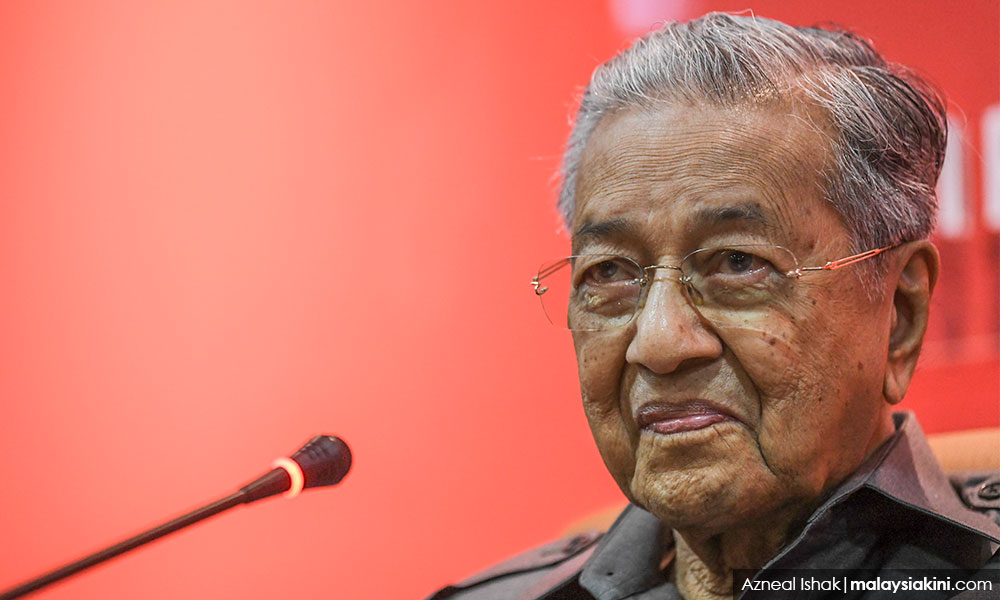

COMMENT | Mahathir a reformed 'enemy of the press'?
COMMENT | It was a frosty morning at Seattle airport in November 1993. Then Australian prime minister Paul Keating, surrounded by journalists, was asked about Dr Mahathir Mohamad’s refusal to attend the inaugural Asia Pacific Economic Cooperation (Apec) meeting.
Dismissing Mahathir’s absence, Keating quipped, “Apec is bigger than […] Dr Mahathir and any other recalcitrant.” That one word – recalcitrant - sparked a Malaysian media storm and high-level spats.
Recalcitrance has indeed marked Mahathir ’s political life. He’s going to do what he’s going do – oust Muhyiddin Yassin’s Perikatan Nasional from power. And, if the window remains open, to reclaim the prime minister’s seat for the third time despite his age.
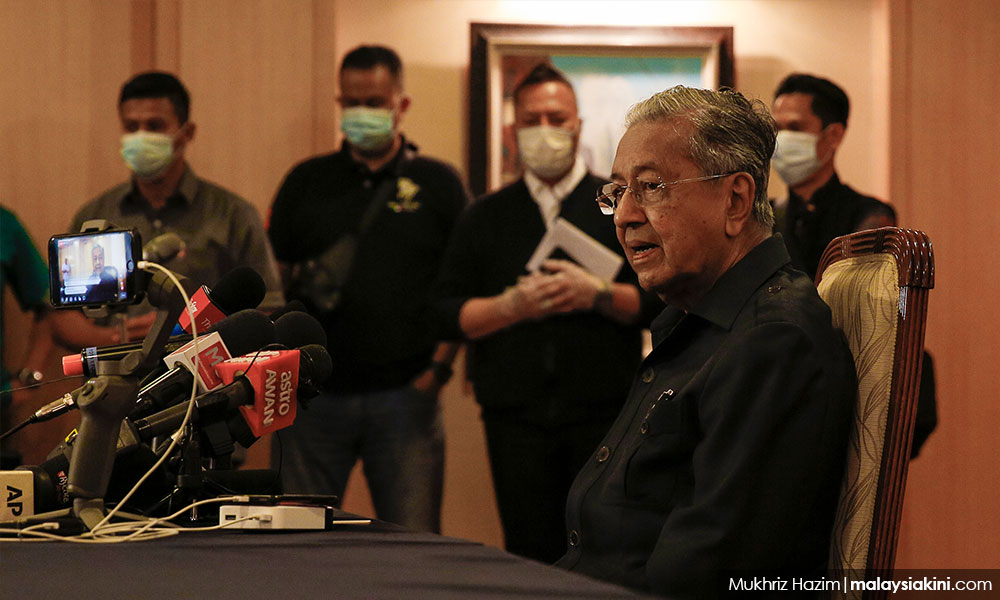
As he remarked in an interview with Astroawani: “Before long, I will be gone. Who knows when. Maybe in a year, maybe three years […] so while I still can, it is my duty to correct the situation for the Malays.”
Mahathir will be 95 on July 10. We wish him well as he shuffles towards ...
COMMENT | It was a frosty morning at Seattle airport in November 1993. Then Australian prime minister Paul Keating, surrounded by journalists, was asked about Dr Mahathir Mohamad’s refusal to attend the inaugural Asia Pacific Economic Cooperation (Apec) meeting.
Dismissing Mahathir’s absence, Keating quipped, “Apec is bigger than... Dr Mahathir and any other recalcitrant.” That one word – recalcitrant - sparked a Malaysian media storm and high-level spats.
Recalcitrance has indeed marked Mahathir ’s political life. He’s going to do what he’s going do – oust Muhyiddin Yassin’s Perikatan Nasional from power. And, if the window remains open, to reclaim the prime minister’s seat for the third time, despite his age.
As he remarked in an interview with Astro Awani: “Before long, I will be gone. Who knows when. Maybe in a year, maybe three years... so while I still can, it is my duty to correct the situation for the Malays.”
Mahathir will be 95 on July 10. We wish him well as he shuffles towards the century mark. But five years from now, the odds that he will still be around to “correct the situation of the Malays” and guarantee the perpetuation of bumiputera entitlements are as good as Kanye West’s bid to be the next US president.
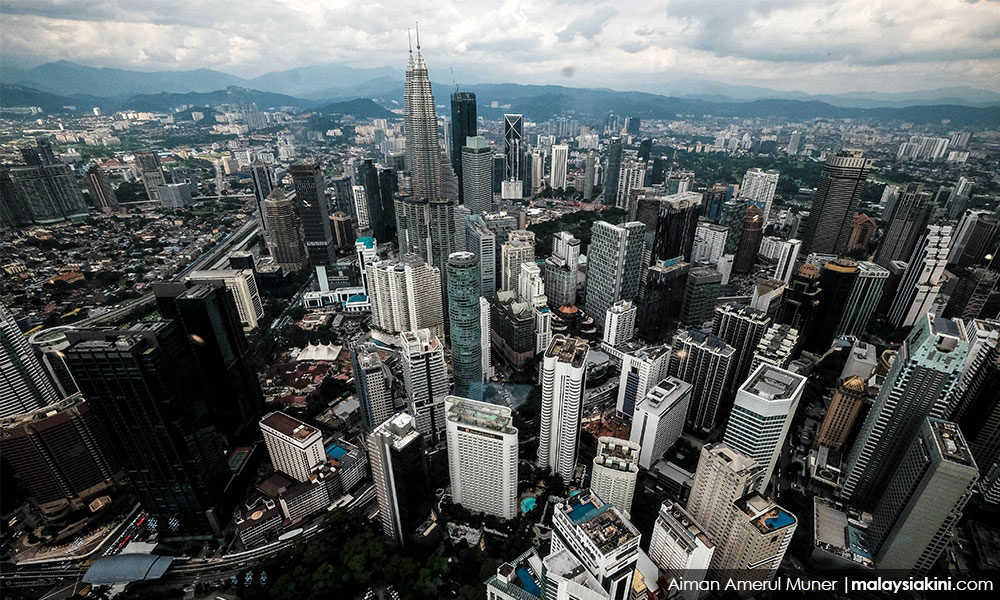
I have lived through 22 years of Mahathir’s reign. And I have seen how his Malaysia Inc-inspired mega-infrastructure projects had consistently placed Malaysia among the best countries to invest in and do business with.
However, Mahathir’s mixed economic legacy, his interventions in stemming the spread of radical Islam and vision to grow a prosperous, secular nation is tainted by his tight media controls via repressive laws and the subjugation of his detractors.
One’s political ally is not necessarily one’s friend, except when they serve your political purpose. Mahathir showed his Machiavellian streak when he sacked his deputy, Anwar Ibrahim in 1998 and then fell out with Abdullah Ahmad Badawi, Najib Abdul Razak and Muhyiddin Yassin. He broke his electoral promise and sidestepped Anwar Ibrahim for Shafie Apdal as the preferred candidate for prime minister, should Pakatan Harapan return to power.
Mahathir is shaped by the racial politics of his time. In his book, The Malay Dilemma, published a year after the May 1969 riots, he unapologetically told his Malay constituents to get off their complacency and change their work habits if they were to compete with the more industrious Chinese minority. His racialised rationale on the Malaysian malaise is as alive today.
I was in my first year at University Sains Malaysia in 1974 when Mahathir was education minister. Journalism students usually gathered at a Speaker’s Corner to report on any newsworthy activist spiel. The corner was banned following Mahathir’s directive to restrict political activities on campus under the University and University Colleges Act.
As a reporter in the late 70s, I was mindful of the pro-Mahathir newsroom culture and pro-Umno editorial slants. A few editors were practically Mahathir sycophants. We knew more about entrenched crony capitalism, nepotism and corruption in the patronage system than we felt permitted to research and report on.
A significant turnaround
Mahathir is the archetypal media patriarch. Journalists were deemed to be natural adversaries of the state, hence stringent laws must be used to rein them in to toe the state line.
Acceptable journalism practices were premised on one clear principle - journalists are free to think what they like, but they will not be allowed to report what they think they know because they are not completely righteous, nor incorruptible.
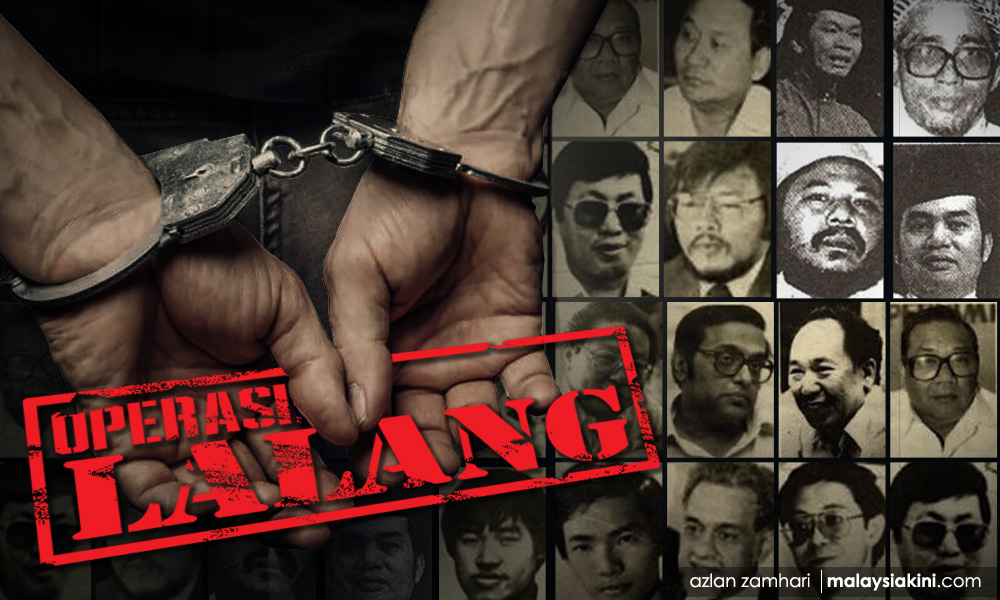
Mahathir’s contentious relationship with the media was marked by numerous clampdowns, notably Operation Lalang in October 1987. One year later, two popular columns in The Star were shut down - "Without Fear or Favour" by Tan Chee Khoon, a former opposition leader; and "As I See It" by the first prime minister, Tunku Abdul Rahman.
Mahathir was openly contemptuous of journalists from the West. He repeatedly blocked the circulation of foreign publications (Time Magazine, Asiaweek, the Far Eastern Economic Review, The Economist) that were critical of his administration. The Committee to Protect Journalists cited him as an enemy of the press from 1999 to 2001.
Unsurprisingly, Western journalists perceive Mahathir as a contrarian, an acerbic voice of the Islamic world and developing countries, a self-proclaimed anti-Semite, an anti-West straight-shooter and not least, a recalcitrant. Such is Mahathir’s capacity to irritate the West, which occasionally bites in his blog, "Chedet".
Chedet’s "blogging to unblock" platform has attracted more than 32 million visitors to date as he rages on against a political system that he had perfected for over two decades. Such irony.
Perhaps one day, a posthumous discourse analysis of his dual-language blog may reveal Mahathir’s knack for exploiting the online media to his advantage, and his manoeuvres through the dilemma of race-based politics, which have earned him as much outright condemnation of his leadership as cautious praise and muted accolades.
The wily old fox’s most significant media turnaround happened after BN was defeated in May 2018 when he committed Pakatan Harapan to repeal the Anti-Fake News Act introduced by Najib to temper media coverage of the 1MDB scandal.
That having said, like it or not, compared with other authoritarian leaders of the developing world, Mahathir’s patriarchal relationship with the media is relatively more tolerable and less murderous, notwithstanding Operation Lalang and Malaysia’s consistently low world ranking in press freedom.
ERIC LOO is the founding editor of the academic journal Asia Pacific Media Educator.
The views expressed here are those of the author/contributor and do not necessarily represent the views of Malaysiakini.


Are you sure you want to delete this comment?
This action cannot be undone.