



COMMENT | Comparison between M'sia and S'pore Covid-19 relief legislation
COMMENT | Given the serious delay between the implementation of the movement control order (MCO) on Mar 18 and the tabling of the Covid-19 Relief Bill on Aug 12, one would have thought the government would have at least used the time craft a detailed, thoughtful bill.
Unfortunately, this was not the case. Malaysia's Temporary Measures for Reducing the Impact of Coronavirus Disease 2019 Bill 2020 was tabled in Parliament for the first reading almost five months after the MCO began.
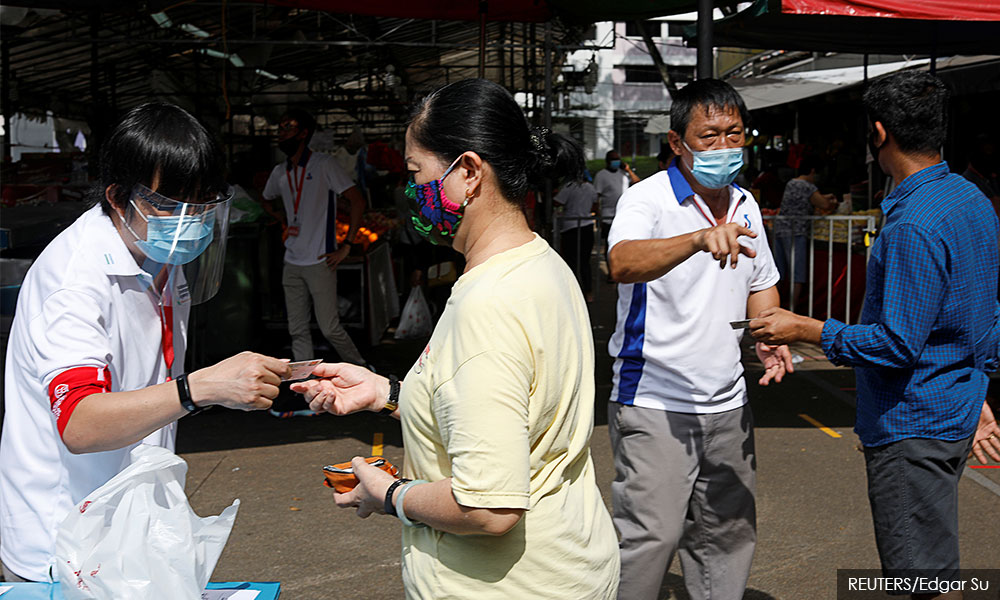
In comparison, Singapore's Covid-19 (Temporary Measures) Act 2020 came into effect almost concurrently when their version of MCO took place in early April, and their version of the law was put together in a matter of days.
We will focus on the following two areas – contracts and rental relief...
COMMENT | Given the serious delay between the implementation of the movement control order (MCO) on Mar 18 and the tabling of the Covid-19 Relief Bill on Aug 12, one would have thought the government would have at least used the time craft a detailed, thoughtful bill.
Unfortunately, this was not the case. Malaysia's Temporary Measures for Reducing the Impact of Coronavirus Disease 2019 Bill 2020 was tabled in Parliament for the first reading almost five months after the MCO began.
In comparison, Singapore's Covid-19 (Temporary Measures) Act 2020 came into effect almost concurrently when their version of MCO took place in early April, and their version of the law was put together in a matter of days.
We will focus on the following two areas – contracts and rental relief.
Contractual obligations
Much has been said about how Malaysia has decided to handle contracts through its Covid-19 Relief Bill. In short, one’s inability to perform one's contractual obligation would not allow another party to exercise their rights under the contract.
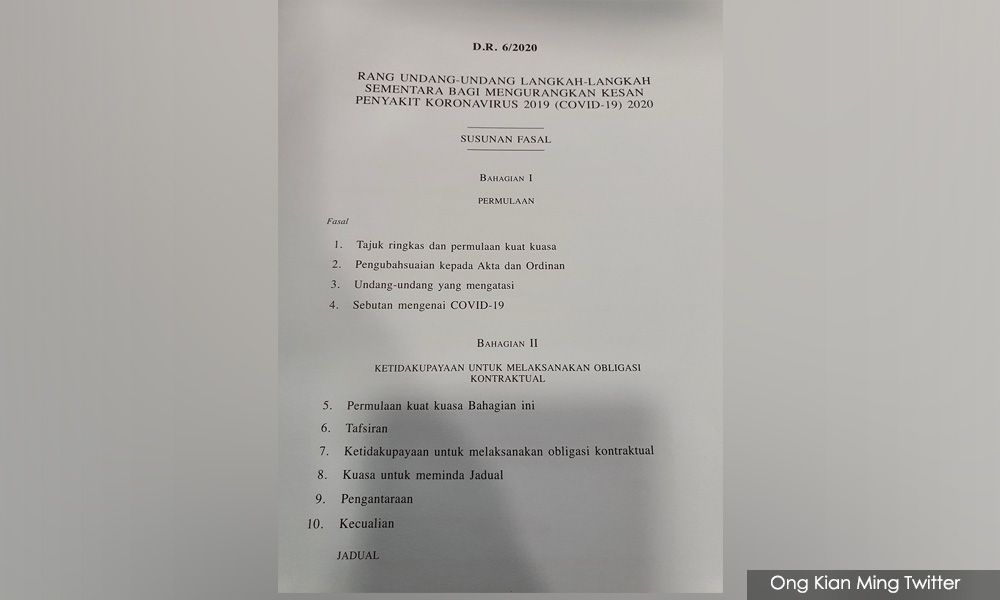
However, if one has acted on their right by, for example, cancelling the contract or going to court between Mar 14 to the date the law is gazetted, they escape what Malaysia’s Covid-19 Relief Bill tries to do.
In contrast, Singapore’s Covid-19 Relief Act is much more thoughtful. Its structure is as such – Singapore first spells out the different principles to be applied in different types of contracts – therefore recognising that all contracts operate differently. If one seeks to invoke the relief under the Act, one needs to send a “notification for relief” to the other side.
If anyone is unsure as to whether the relief in the Act applies to their situation, they can apply to an “assessor”, a quasi-judicial role who is given the power to decide on whether and how the law is to be applied.
When deciding, an assessor can consider the ability and financial capacity of the party to perform the obligation and must seek to achieve a just and equitable outcome. In doing so, the assessor can order refunds, for goods to be returned, for one to pay reasonable costs, apply the deposit to amounts owing under the contract, and so on.
When new facts arise, the assessor can be asked to review a decision previously made. When appearing before an assessor, the parties cannot be represented by lawyers. At the end of the day, the assessor’s decision is enforceable as if it is a judge’s decision.
Having an assessor essentially avoids parties having to exhaust the lengthy court process. It is a simplified procedure, which makes it accessible to the public to obtain a decisive outcome, thereby promoting quicker economic recovery.
Under Singapore’s Covid-19 Relief Act, one’s rights under a contract cannot be invoked until the earliest of the following three takes place: the expiry of the period that the law is applicable, the withdrawal of the “notification for relief”, or until the assessor makes a decision.
For example, Singapore’s Covid-19 Relief Act states that if a party to a tourism contract has forfeited any deposit, they must restore the deposit as soon as they received the notification for relief. However, if I am uncertain, for example, as to whether the type of contract I have entered into is a tourism contract, I can make an application to the assessor, who would assess my case and decide accordingly.
Such is the thought that Singapore’s government provided when the law was first introduced.
Rental relief
Singapore also has a good example of demonstrating how a Covid-19 Relief Act should look like after some time has elapsed after a lockdown is implemented. To illustrate this, we turn to how Singapore handled rental relief, the provisions of which were introduced in June, about two months after Singapore’s version of the MCO was first implemented.
One must first note that Singapore had, at this point, decided to implement a moratorium on rent recovery. In recognising that some quarters rely on rent as income, the Singapore government balanced out the decision to implement a moratorium by introducing a cash grant.
The way it works is this – when the owner of a property receives a notice of cash grant issued by Singapore’s Inland Revenue Authority, the rent and interest or other charges payable during the operative period is waived.
If a tenant has paid up their rent, then the paid-up amount becomes credit which is deducted accordingly when subsequent payments become due. If the tenant has paid up their rent for the entire duration of the lease, the owner must issue the necessary refunds. Again, a panel of rental relief assessors is established under the Act to decide on uncertainties that may arise.
Below is a comparison between Malaysia’s Covid-19 Relief Bill and Singapore’s initial Covid-19 Relief Bill in April and the amendments which were introduced in June.
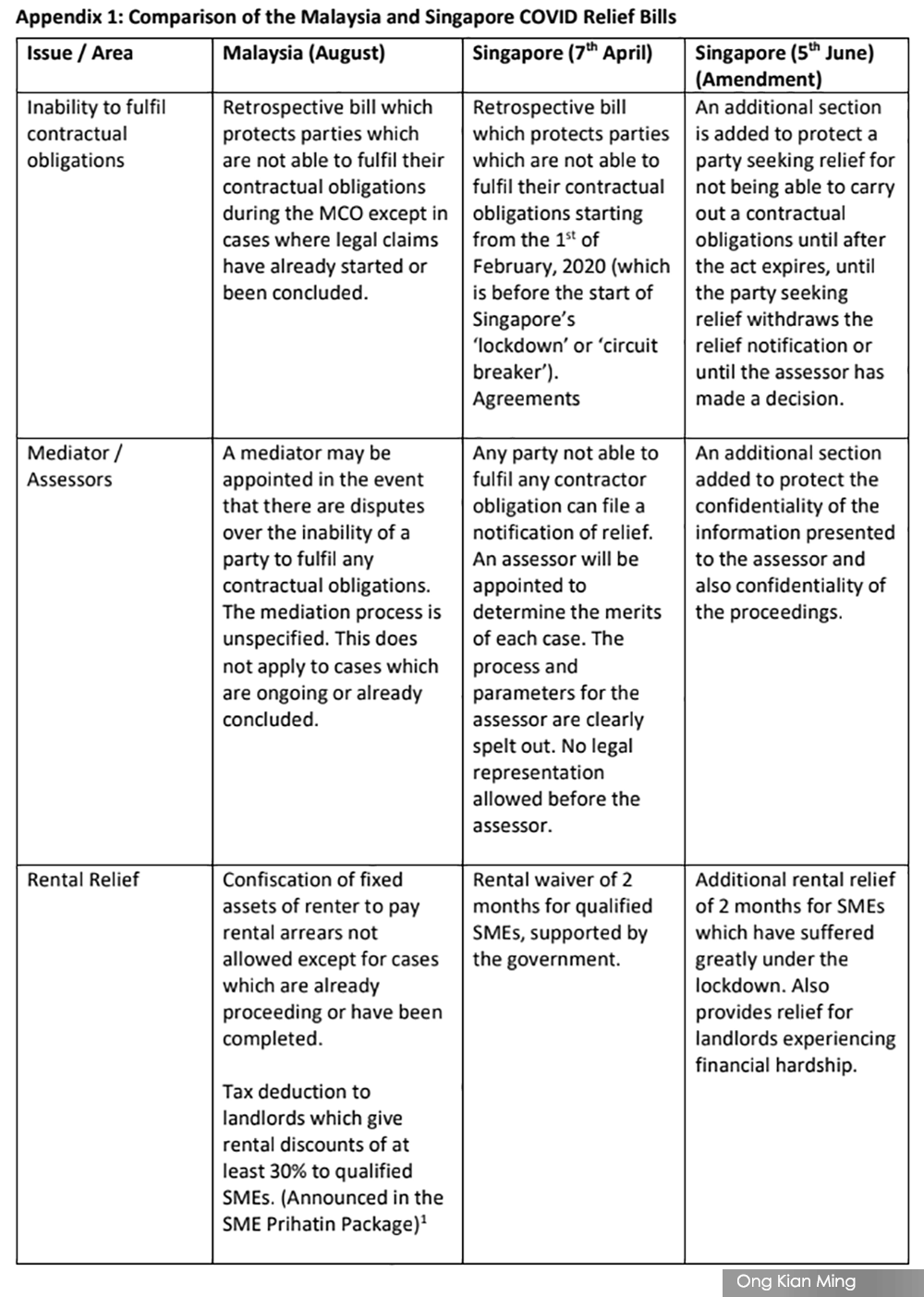
What this demonstrates is that, when a government delays the implementation of legislation that is supposed to provide economic relief, it has to do more work either by pulling more weight or by playing a greater role to ensure that the Act remains meaningful.
In respect of a pandemic, we see that the universal objective of all governments is to ensure that citizens and businesses are not unduly burdened or disadvantaged as a result of being unable to perform obligations due to movement restriction measures necessary to contain Covid-19.
Malaysia’s Covid-19 Relief Bill is sorely inferior to Singapore’s Covid-19 Relief Act. Our government has failed to address the Bill meaningfully with regards to the permutations of different scenarios and, as is clear from the language of the Bill, has decided instead to paint all scenarios with a broad brush.
Not only that, but it has also gone further by taking the easy way out by providing exclusion clauses, thereby removing the very objective that the Bill should seek to achieve.
ONG KIAN MING is the Bangi MP and assistant political education director of the DAP.
MICHELLE NG is the Subang Jaya assemblyperson and legal bureau secretary for DAP.
The views expressed here are those of the author/contributor and do not necessarily represent the views of Malaysiakini.


Are you sure you want to delete this comment?
This action cannot be undone.