



COMMENT | Covid-19 and the haze - is a perfect storm brewing?
COMMENT | I read with disappointment the news that the Ministry of Environment and Water (Kasa) will not proceed with the proposed drafting of the Cross-Border (Haze) Pollution Bill. Kasa, among others, cited feedback from legal experts who claimed that legal action can only be taken against Malaysia-owned or related companies operating abroad “if clear proof and evidence are obtained from the country as to the cause of cross-border haze”.
As the senior official who helmed the environment/conservation portfolio, in particular haze pollution, both in Malaysia and at the Asean Secretariat for over two decades, I find this backtracking and reasoning rather absurd and unfounded. In particular, why would Indonesia not share evidence and proof of Malaysian entities causing fires and smoke haze, when in fact that has been the constant bone of contention when Malaysia blames Indonesia with Indonesia counteracting that Malaysia is not serious in bringing to book the Malaysian entities that cause transboundary haze.
Similarly, the lack of punitive actions on their entities by Malaysia is what strains diplomatic relations and the proposed law would help heal the acrimonious public spat that goes on during periods of severe smoke haze. Kasa further adds that Malaysia will continue to work within the ambit of the 2002 Asean Agreement on Transboundary Haze Pollution (Haze Agreement), in particular on Technical Cooperation and Scientific Studies to “strengthen diplomatic relations between Malaysia and Asean, in particular, Indonesia on the subject of transboundary haze.”
As the primary drafter of the Haze Agreement and having overseen its implementation, there appears to be a misunderstanding ...
COMMENT | I read with disappointment the news that the Ministry of Environment and Water (Kasa) will not proceed with the proposed drafting of the Cross-Border (Haze) Pollution Bill. Kasa, among others, cited feedback from legal experts who claimed that legal action can only be taken against Malaysia-owned or related companies operating abroad “if clear proof and evidence are obtained from the country as to the cause of cross-border haze”.
As the senior official who helmed the environment/conservation portfolio, in particular haze pollution, both in Malaysia and at the Asean Secretariat for over two decades, I find this backtracking and reasoning rather absurd and unfounded. In particular, why would Indonesia not share evidence and proof of Malaysian entities causing fires and smoke haze, when in fact that has been the constant bone of contention when Malaysia blames Indonesia with Indonesia counteracting that Malaysia is not serious in bringing to book the Malaysian entities that cause transboundary haze.
Similarly, the lack of punitive actions on their entities by Malaysia is what strains diplomatic relations and the proposed law would help heal the acrimonious public spat that goes on during periods of severe smoke haze. Kasa further adds that Malaysia will continue to work within the ambit of the 2002 Asean Agreement on Transboundary Haze Pollution (Haze Agreement), in particular on Technical Cooperation and Scientific Studies to “strengthen diplomatic relations between Malaysia and Asean, in particular, Indonesia on the subject of transboundary haze.”
As the primary drafter of the Haze Agreement and having overseen its implementation, there appears to be a misunderstanding, intentional or otherwise, on the mandate and reach of the Haze Agreement. The agreement states as its sole objective “to prevent and monitor transboundary haze pollution [...] which should be mitigated, through concerted national efforts, and intensified regional and international cooperation”.
The agreement, giving due recognition to parties’ sovereign rights, obligates parties to take “legislative, administrative and/or other measures to implement their obligations under this agreement”. Therefore the Haze Agreement cannot by itself take or enforce mitigation or enforcement actions in Asean member states and is certainly not a substitute for national legislation and enforcement. At best, it provides a regional platform for coordinated national mitigation and enforcement actions while taking the lead in prevention and monitoring efforts.
Thus the draft law is an obligation rightfully expected of Malaysia by the Haze Agreement, in particular, to enforce on their own entities operating within, and in other countries.
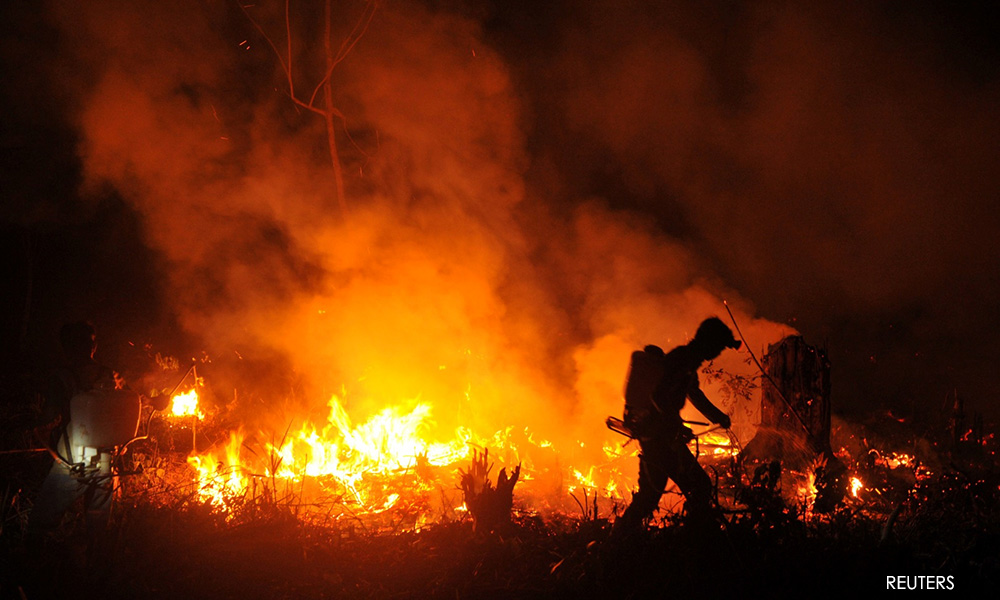
Now, this withdrawal of the drafting of the proposed law brings great relief to irresponsible plantation companies as it will allow them to continue to burn and pollute the environment with impunity. In fact, it resets the situation to the decades-old mudslinging blame game among the affected states, while their own people suffer. The key purpose of the proposed law would be its deterrence effect; no responsible entity would want to be investigated, and the name and shame that follows would certainly affect their goodwill and business.
Singapore pioneered such a law through its 2014 Transboundary Haze Pollution Act. It was extensively discussed and clarified in Asean meetings. Did Malaysia seek feedback from Singapore on the effectiveness and constraints faced, which in all fairness, have been a strong deterrent to Singapore entities operating overseas in particular? I have also published an analysis entitled Transboundary Haze Pollution Act: A silver bullet or silver lining which examines the key provisions, positive aspects and challenges that may be faced.
This commentary, among others, points out that the offence under the act is for causing transboundary smoke haze (harm or damage) in Singapore and not for open burning in neighbouring countries, presumptions on the causal link between fires and spread of smoke haze, civil actions both by the state and people being more punitive financially than criminal prosecution, and placing emphasis on deterrence and prevention.
Only a dream
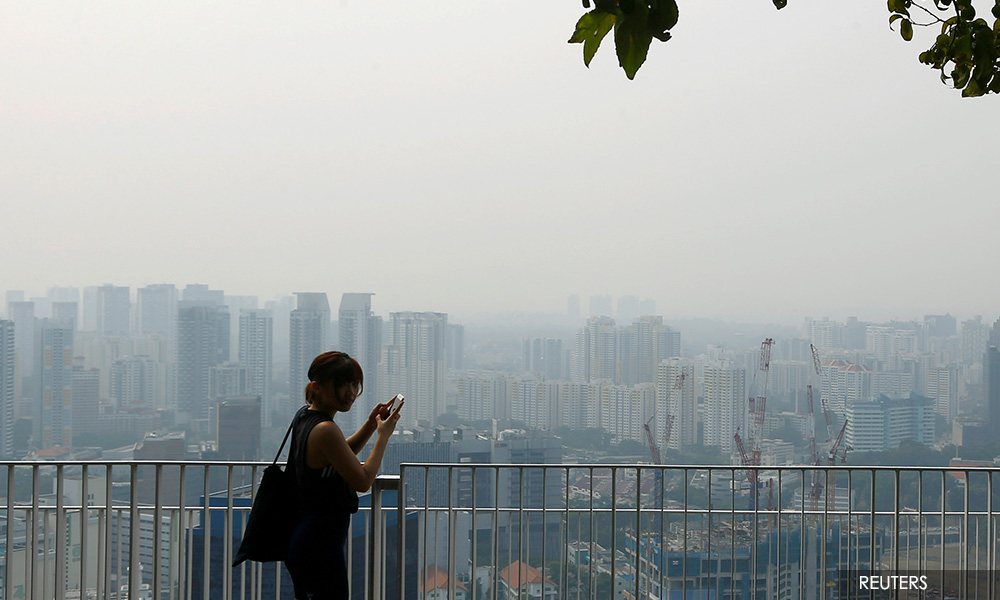
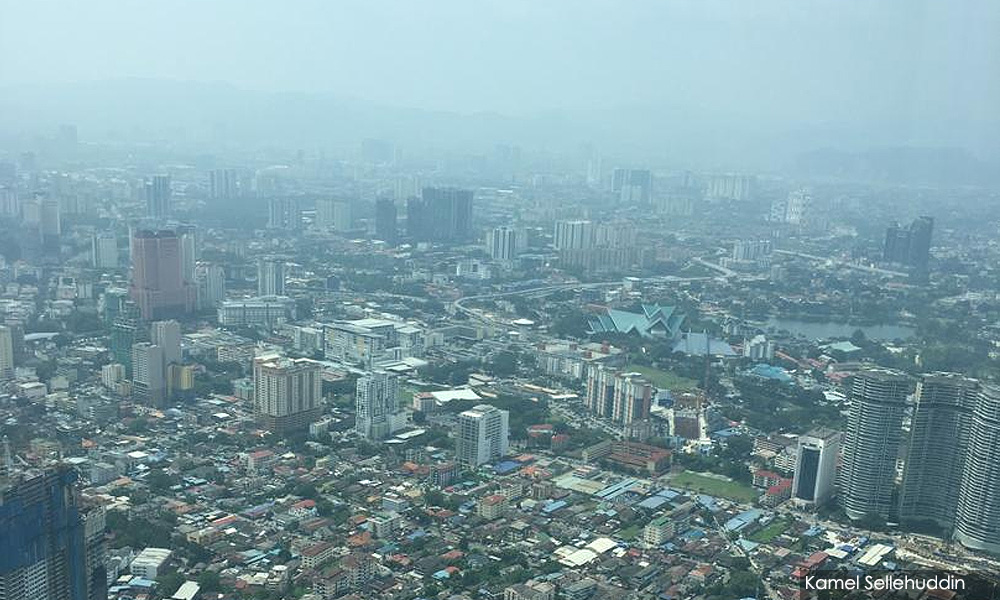
In any case, the most critical impending threat now is how a potential severe haze episode would impact on the Covid-19 epidemic. Both affect the respiratory system and it is logical to suggest that haze would compound and escalate further the Covid-19 pandemic. With a blanket widespread smoke haze hovering over Malaysia for weeks affecting almost everyone, the SOPs for identifying and treating Covid-19 patients through isolation and quarantine, for example, would look sorely inadequate, if at all possible.
Thanks to the unusual wet weather, we have been spared from the smoke haze this July and August. But we still have September and October to go. The wet weather seems to be letting up, and even a week’s dry and hot weather could flare up wildfires. I remember in mid-October 2010, the environment ministers confident of the onset of the rainy season, issued a press release essentially saying the worst was over. But in the following week, severe fires and transboundary haze covered the region.

Have the authorities studied or simulated the potential impact of haze on Covid-19 pandemic, whether the haze pollutants concentration would accelerate the spread and infections or the prospects of recovery of those already infected? If so, what is the precautionary advice to the public when severe haze occurs?
While the director-general of Health announced that Malaysia “is already looking four months ahead for a possible winter spike of Covid-19 infections in other parts of the world”, wouldn’t it be prudent to pre-emptively prepare for the possibility of severe smoke haze from our own region that may hit us in a matter of weeks?
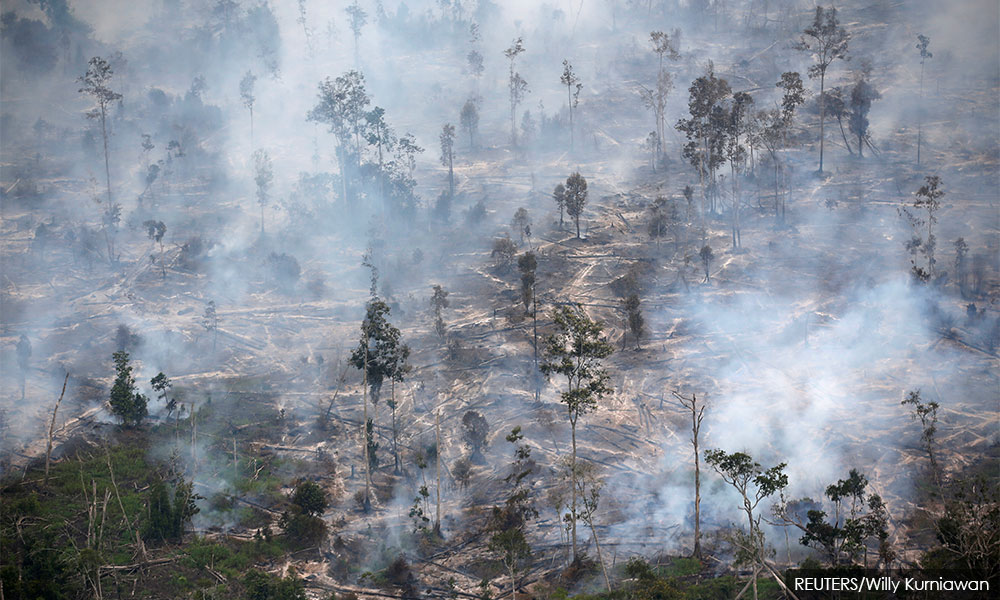
Due to low commodity prices and constraints in mobility, economic activity and resources caused by the Covid-19 epidemic in the last eight months, many smallholdings, in particular, have been abandoned. These are traditionally the sources of ignition of open and wildfires. Even governments and plantation companies will be severely handicapped to put out wildfires quickly as compared to previous years. Thus we may witness a vicious situation where widespread fires could occur freely and unabated with little effort in putting them out. Is a perfect storm brewing?
It may already be too late to take preemptive actions to address fires and haze, but it is better late than never. At this late stage, we should focus on damage control. The only deterrent for Malaysian entities to act responsibly has now been removed. It is sad that while ordinary people feel the full brunt of the infectious diseases law, big businesses seem to easily get away even though they may cause greater widespread damage.
I had proposed a road map in 2015 to address transboundary haze, based on my first-hand experience and inside knowledge, consisting of immediate, medium-term and long-term actions. This has been published extensively in local and foreign mainstream media. The declared Haze-Free Asean by 2020 remains a dream. The authorities and relevant parties in Asean should act decisively and resolutely, rather than backtracking, to diffuse the perfect storm from happening.
RAMAN LETCHUMANAN was director, environment/conservation, Ministry of Science, Technology and the Environment (1993-2000), head, environment/haze/ disaster management, Asean Secretariat, Jakarta (2000-2014) and senior fellow, S Rajaratnam School of International Studies (RSIS), Nanyang Technological University, Singapore (2014-2016).
The views expressed here are those of the author/contributor and do not necessarily represent the views of Malaysiakini.



Are you sure you want to delete this comment?
This action cannot be undone.