


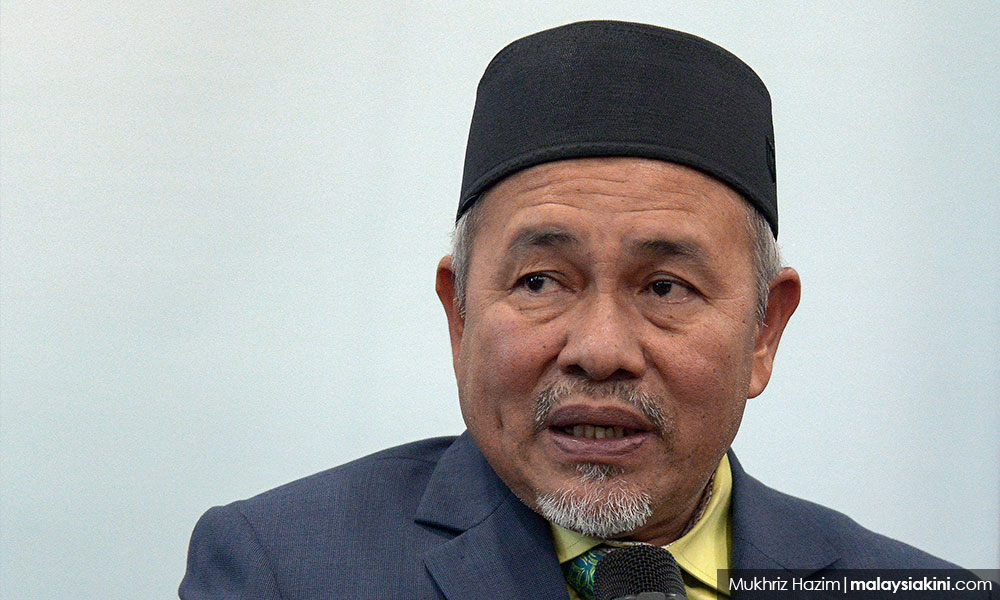

PN scraps plans for 'cosmetic' transboundary haze act
The Perikatan Nasional government has scrapped the previous Pakatan Harapan administration's plans to introduce a transboundary haze act - which would punish Malaysian companies operating abroad that contribute to the haze.
Environment and Water Minister Tuan Ibrahim Tuan Man said the government will instead focus on working with other Asean countries to tackle the problem together...
The Perikatan Nasional government has scrapped the previous Pakatan Harapan administration's plans to introduce a transboundary haze act - which would punish Malaysian companies operating abroad that contribute to the haze.
Environment and Water Minister Tuan Ibrahim Tuan Man said the government will instead focus on working with other Asean countries to tackle the problem together.
The Harapan government had said it was ready to draft a bill last year after several Malaysian companies were blamed by Indonesia for causing the haze.
Speaking in the Dewan Rakyat this evening, the minister said Putrajaya did not want a "cosmetic" solution that could not tackle the haze problem.
He also said that evidence against the companies would be hard to procure.
"Evidence such as land ownership, coordinates for forest and land burning will not be shared by the country that caused the haze with other countries as this involves their security and sovereignty," he said.
Tuan Ibrahim said the Cabinet had decided this on July 24 after taking into consideration Singapore's experience with a similar law, and legal feedback from experts including the Attorney-General's Chambers.
In response, Tuan Ibrahim's predecessor Yeo Bee Yin tweeted that the government should not "copy-paste" Singapore's version of the transboundary haze law if it was ineffectual.
"We should find solutions to the problem, not problems to the solution," she said.
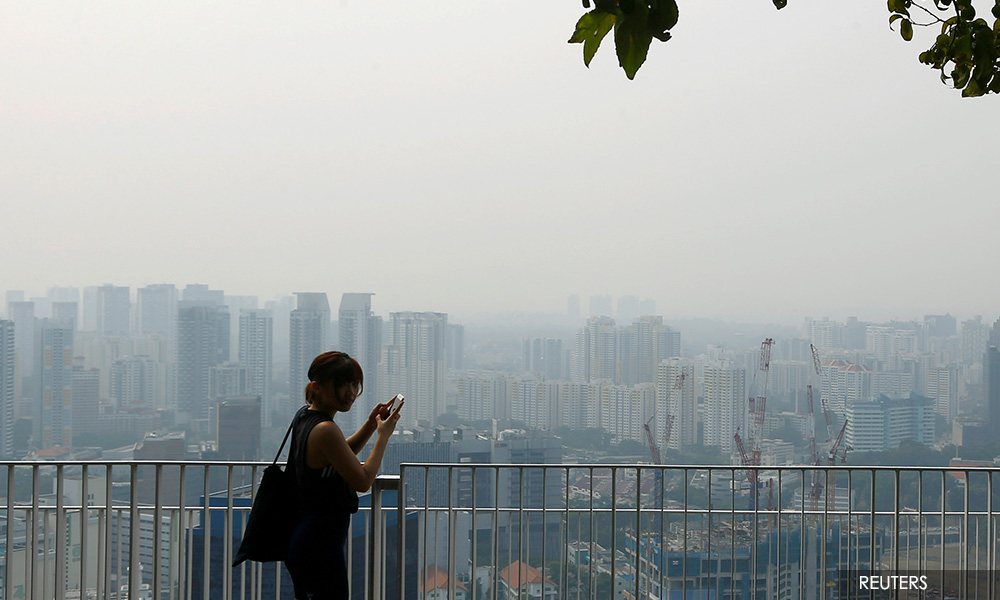
Singapore's transboundary haze law, implemented in 2014, has been criticised as being ineffectual, with no companies being punished thus far.
However, experts have weighed in, saying that Malaysia could make changes from Singapore's act to facilitate better cooperation with the country where the haze is occurring.
Dr Hanim Kamaruddin of Universiti Kebangsaan Malaysia had also suggested that the government include extraterritorial provisions into such an act to extend the law's reach beyond Malaysia's borders.
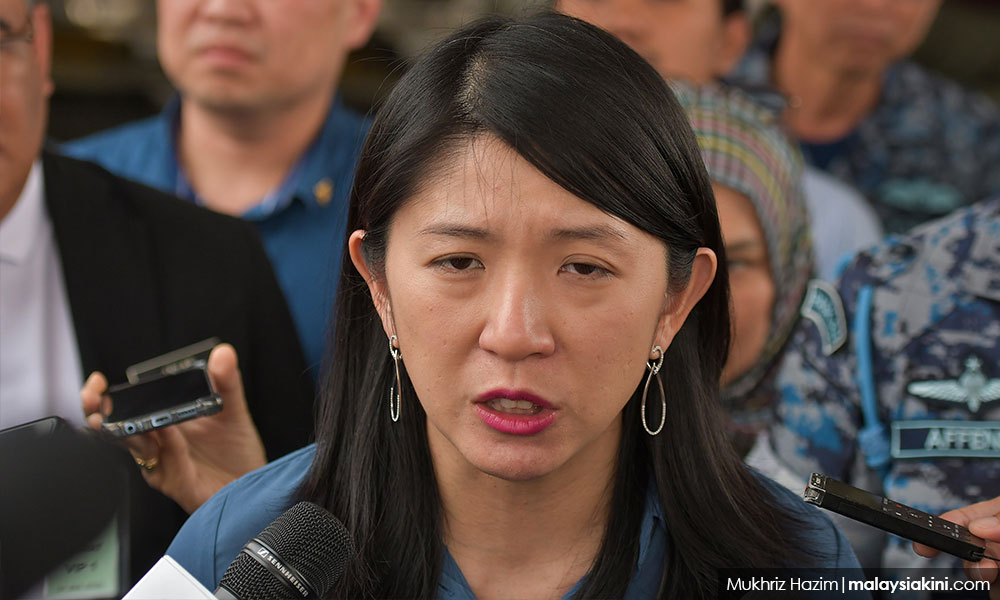
Meanwhile, Yeo (above) said the response that Malaysia will work with Asean to solve the haze problem was a "textbook answer" that doesn't propose new solutions.
She added that besides proposing the transboundary haze act, the Harapan government had also looked into research funding and technology solution of peat fires.
"It may still be insufficient, but it will be better. We must constantly lookout for a solution to better the situation, not waiting to act only when we have a perfect solution," the Bakri MP said.
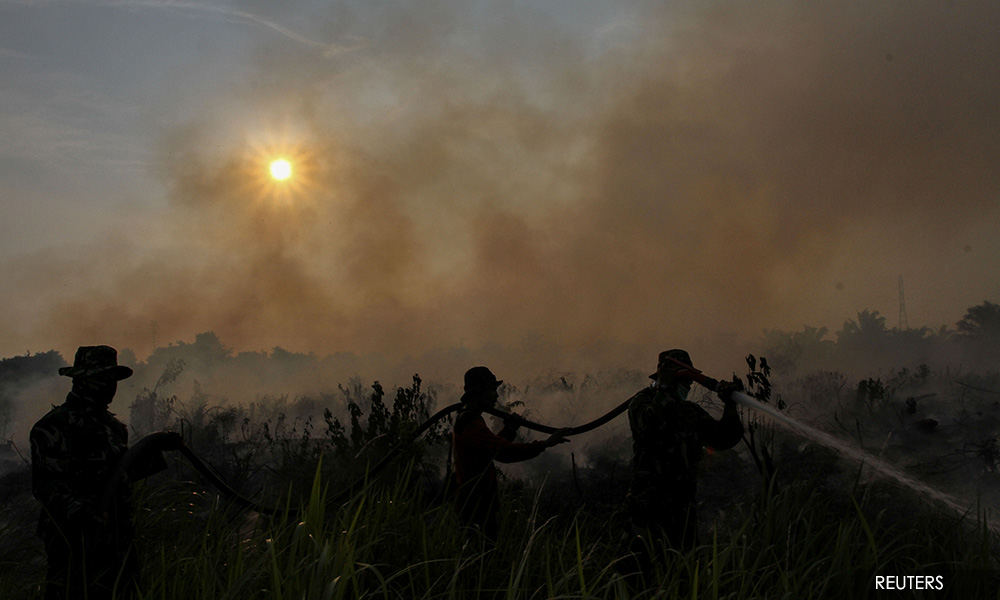
Last year, the Indonesian government named the subsidiaries of four Malaysian palm oil conglomerates - Sime Darby Plantation, IOI Corporation, TDM Berhad and Kuala Lumpur Kepong Berhad - as some of the 30 culprits behind the haze-causing fires.
SDP and IOI have refuted the reports, while KLK admitted that a fire had broken out at its subsidiary's estate before it was extinguished.



Are you sure you want to delete this comment?
This action cannot be undone.