



COMMENT | High time for a virtual Dewan Rakyat
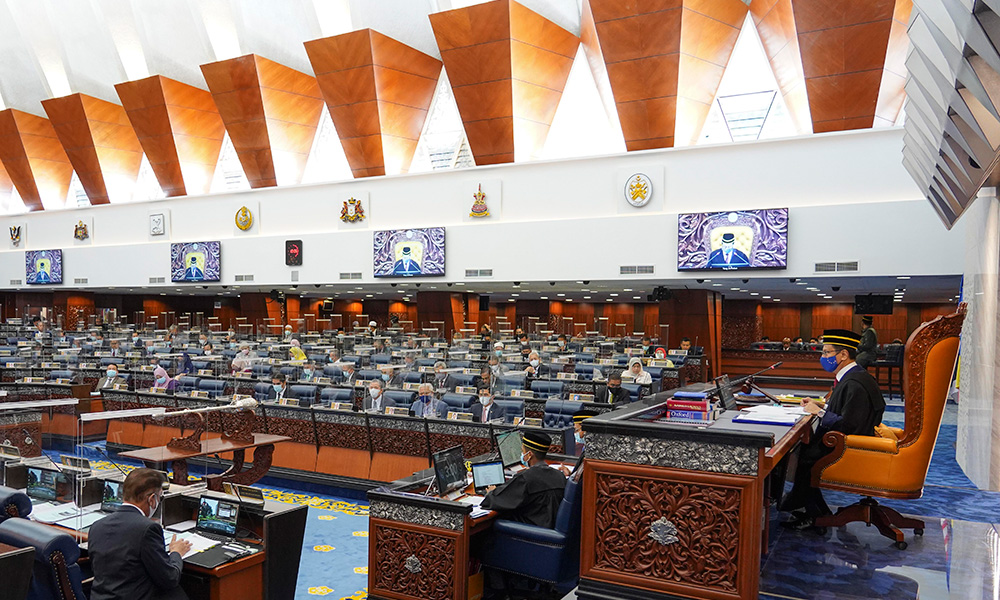
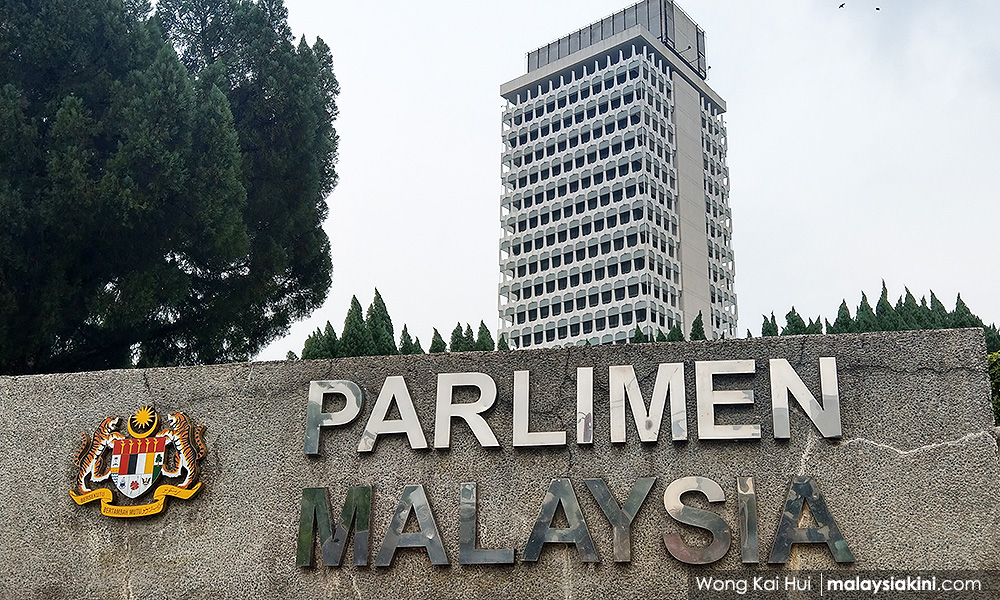
COMMENT | On Monday, we received the unfortunate news that Senator Ras Adiba Radzi’s special aide had tested positive for Covid-19. This health scare resulted in Parliament having to shorten its proceedings to 1pm from Monday to Thursday (Nov 2 to 5).
These recent events highlight the weaknesses of conducting physical parliamentary proceedings in times of a pandemic: (a) the health of all MPs, senators, their aides and parliamentary staff are put at risk; and (b) precious parliamentary time is wasted through postponements.
This reignites a pressing question: why did the authorities not convene a virtual/online Parliament instead?
Some parties have claimed that the Standing Orders of Parliament are a legal obstacle towards a virtual Parliament from taking place. No doubt, there is some grain of truth to this. The Standing orders were conceived at a time when the Internet had not been invented yet.
There are two ways to overcome this.
Option A: Parliament can amend the Standing Orders accordingly to cater for virtual hearings. Pursuant to Standing Order 78, the House can refer such a motion to the Standing Orders Committee. The Standing Orders Committee will then produce a report and the House can vote to approve the amendments accordingly.
This process could have taken place earlier this year (or even during the July sittings) and be completed in time for the November sittings. It is still not too late for Parliament to initiate this for the upcoming sittings, and the digital future.
Option B is much quicker and straightforward ...
COMMENT | On Monday, we received the unfortunate news that Senator Ras Adiba Radzi’s special aide had tested positive for Covid-19. This health scare resulted in Parliament having to shorten its proceedings to 1pm from Monday to Thursday (Nov 2 to 5).
These recent events highlight the weaknesses of conducting physical parliamentary proceedings in times of a pandemic: (a) the health of all MPs, senators, their aides and parliamentary staff are put at risk; and (b) precious parliamentary time is wasted through postponements.
This reignites a pressing question: why did the authorities not convene a virtual/online Parliament instead?
Some parties have claimed that the Standing Orders of Parliament are a legal obstacle towards a virtual Parliament from taking place. No doubt, there is some grain of truth to this. The Standing orders were conceived at a time when the Internet had not been invented yet.
There are two ways to overcome this.
Option A: Parliament can amend the Standing Orders accordingly to cater for virtual hearings. Pursuant to Standing Order 78, the House can refer such a motion to the Standing Orders Committee. The Standing Orders Committee will then produce a report and the House can vote to approve the amendments accordingly.
This process could have taken place earlier this year (or even during the July sittings) and be completed in time for the November sittings. It is still not too late for Parliament to initiate this for the upcoming sittings, and the digital future.
Option B is much quicker and straightforward. It involves a two-step process.
First, the speaker can suspend part of the Standing Orders which pose an obstacle for virtual hearings (for example, the requirement for MPs to rise in his/her place). This power is provided for under Standing Order 90. It is not unusual to invoke Standing Order 90. When the Sungai Kim Kim pollution happened, the Pasir Gudang MP raised a motion to debate this issue as a matter of urgent public importance under Standing Order 18(1).
Normally, the motion should only be moved and debated in the Special Chamber pursuant to Standing Order16. But then speaker Ariff Yusof suspended Standing Order 16 pursuant to his powers under Standing Order 90, and allowed the matter to be debated in the main House on the very same day at 4pm.
Second, the speaker then issues comprehensive guidelines on the conduct of virtual hearings. The speaker has the power to do so under Standing Order 100, namely to regulate “all matters not specifically provided” in the Standing Order. These guidelines can cover all technical aspects involved in the convening of virtual hearings (voting system, questioning system, breakout rooms for Select Committees, etc.).
The speaker’s authority to spearhead these initiatives to convene a virtual hearing is further buttressed by Standing Order 99 (the speaker’s interpretation of the Standing Orders is generally final) & Standing Order 99A (the failure of the House to comply with the Standing Orders, if any, does not nullify the resulting proceedings).
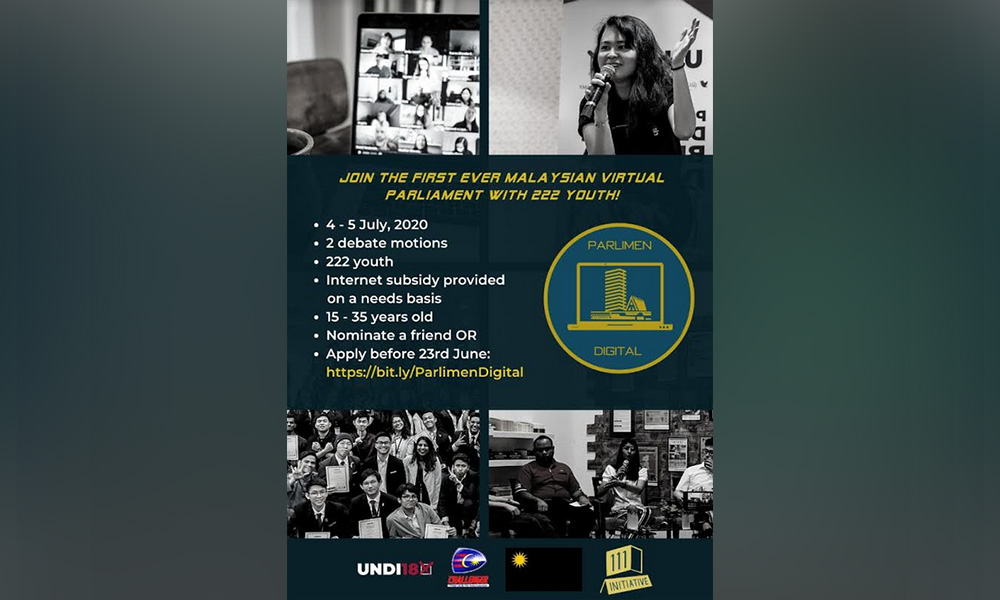
Parlimen Digital has done the nation proud by leading the way on this matter. The organisers successfully convened a virtual “Parliament” involving 222 “Yang Berkhidmats” between the ages of 15-35 from July 4-5 this year. The proceedings went ahead smoothly, the quality of debates a marked departure from the conventional and the young YBs displayed what a first-world Malaysian Parliament could look like.
The Maldives, an island nation with a GDP 70 times smaller than Malaysia, managed to convene a fully virtual Parliament in March this year. The Inter-Parliamentary Union has provided a useful report on the technological solutions adopted by the Maldives’ People’s Majlis.
Of course, there are bound to be technical conundrums and technological kerfuffles along the way. That is inevitable with any transition process. To paraphrase Churchill, do not let perfection be the enemy of progress.
In fact, our Parliament can start off with hybrid proceedings first, which was done in the UK recently. Some MPs attend proceedings physically while the rest attend virtually. There are a variety of options available to facilitate a smooth transition to a full-fledged virtual parliament.
All we need is the political will to do the right thing. There are so many important bills and motions, all which could lead to positive changes to the lives of Malaysians, that need to be debated. MPs are paid huge sums from the pockets of taxpayers to carry out this sacred responsibility.
It only follows that Parliament and all MPs owe a duty to the Malaysian public to put in place a virtual parliament, which appears to be the only method for these critical discussions to happen safely, effectively and sustainably in the long term.
“My function in life is not to be a politician in Parliament; it is to get something done” - Bernadette Devlin, UK’s youngest MP from 1969-2015.
LIM WEI JIT is a constitutional lawyer and was one of the speakers of Parlimen Digital.
The views expressed here are those of the author/contributor and do not necessarily represent the views of Malaysiakini.


Report this comment
Are you sure you want to delete this comment?
This action cannot be undone.