



MP SPEAKS | Local companies paying the price sovereign rating downgrade
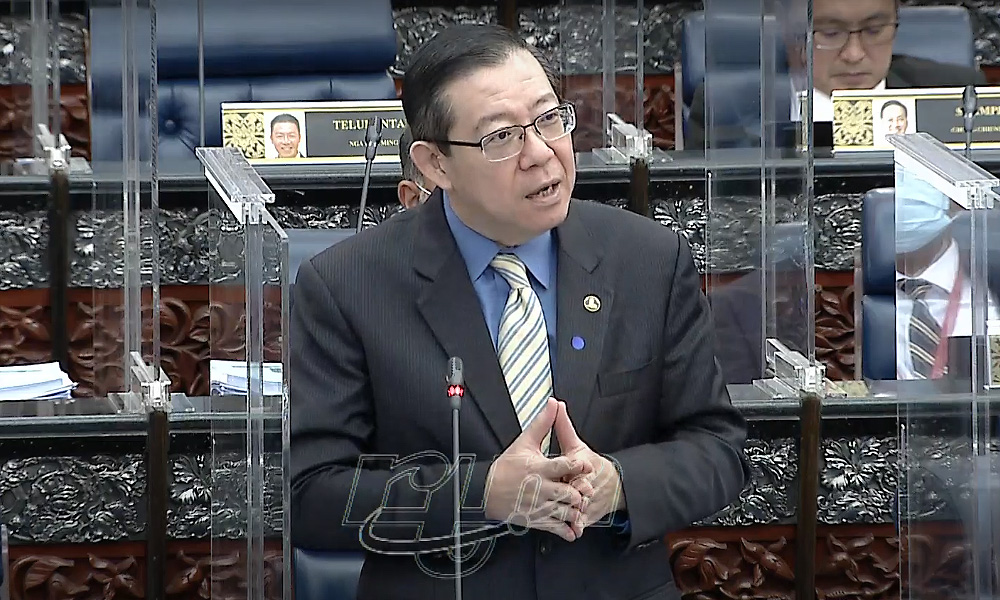
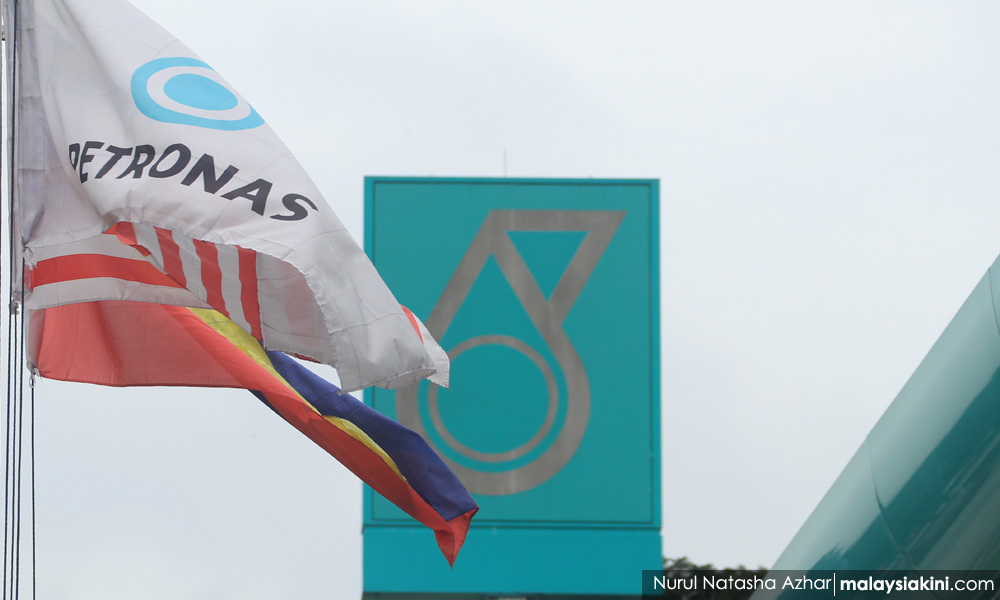
MP SPEAKS | Fitch Ratings decision to downgrade the international credit ratings for both Petroliam Nasional Bhd's (Petronas) and Telekom Malaysia Bhd demonstrates the adverse consequences of the earlier downgrade of Malaysia's sovereign credit rating to 'BBB+' from 'A-'.
This is the price to be paid by Malaysian companies for Malaysia's downgrade, together with the accompanying loss of investor confidence.
However, the people will pay an even higher price if...
MP SPEAKS | Fitch Ratings decision to downgrade the international credit ratings for both Petroliam Nasional Bhd's (Petronas) and Telekom Malaysia Bhd demonstrates the adverse consequences of the earlier downgrade of Malaysia's sovereign credit rating to 'BBB+' from 'A-'.
This is the price to be paid by Malaysian companies for Malaysia's downgrade, together with the accompanying loss of investor confidence.
However, the people will pay an even higher price if Prime Minister Muhyiddin Yassin continues to dismiss the two principal concerns of Fitch, namely political instability as well as poor governance standards and transparency.
The prime minister should stop sacrificing national interests for selfish political survival by refusing to allow a motion of no-confidence in Parliament to disprove the popular belief that he has lost his parliamentary majority.
The prime minister should also stop the practice of buying political support by offering political posts of directors and chairperson of government-linked companies (GLCs).
What an irony is that one of the posts offered is the Petronas chair to Gua Musang Umno MP Tengku Razaleigh Hamzah, who rejected the post because he deemed such an offer unconstitutional.
Choosing personal political survival over the economic survival of the country will risk further future sovereign credit rating downgrades. If the prime minister still refuses to heed Fitch's twin concerns, then the Finance Ministry's attempt to address the escalating government debt through fiscal consolidation next year will be doomed to fail.
The government's total debt and liability exposures are estimated to be RM1.257 trillion, or 87.3 percent of the gross domestic product (GDP), as at the end of September 2020. This is much higher than that recorded during the Pakatan Harapan government.
Federal debt as at end-September amounted to RM874.3 billion or 60.7 percent of GDP. However, the Finance Ministry has cleverly used statutory limit calculations on the federal debt to be set at 56.6 percent of the GDP, which is less than the 60 percent limit set recently. This year's deficit has increased to 6.0 percent of GDP and fiscal consolidation measures next year will reduce the deficit to 5.4 percent.
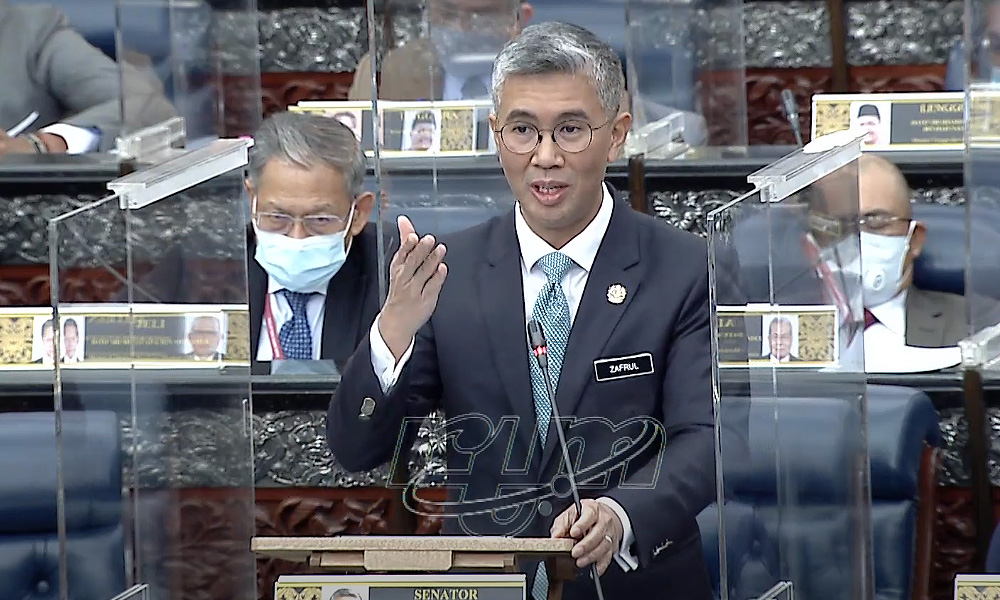
Instead of spending more through borrowings to encourage economic growth and save jobs, businesses and livelihoods, the Finance Ministry has chosen to spend less next year to safeguard our sovereign credit ratings.
Clearly, the fiscal consolidation measures for next year have not impressed Fitch. This has put the Malaysian economy in the "worst of both worlds" situation of not spending enough next year for the people, but still not convincing the independent rating experts of the sterling quality of our country's credit-worthiness.
Knowing fairly well that our sovereign credit rating was beyond salvation because of his failure to address the twin principal political concerns of political instability and poor governance, the prime minister should have spent and borrowed more to save jobs, businesses and livelihoods next year. He should set a course correction and spend an additional RM45 billion next year to protect economic growth, the same amount as he spent in this year's stimulus package.
LIM GUAN ENG is Bagan MP, former finance minister, and former Penang chief minister.
The views expressed here are those of the author/contributor and do not necessarily represent the views of Malaysiakini.





Report this comment
Are you sure you want to delete this comment?
This action cannot be undone.