



COMMENT | Do urban megaprojects bring a sustainable, green future for Malaysia?
COMMENT | In 2014, then chief minister of Malacca, Idris Haron, introduced the Melaka Gateway project as "an environmentally friendly project that will have many green buildings and set to boost tourism as it will be in harmony with nature".
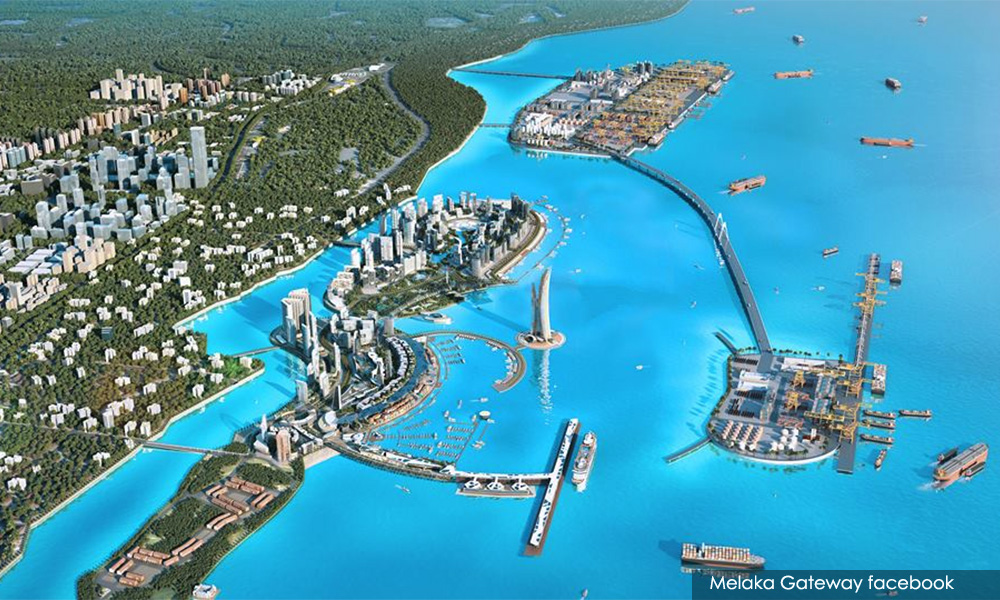
The Melaka Gateway is to be a 1,500-acre project consisting of 12 precincts. It would feature a deep seaport facility, tourist eco-parks, heritage walks and luxury residences.
The project would be built according to the United Nations' Millennium Development Goals (MDGs) environmental sustainability guidelines. Developers marketed it as "the most sustainable development to attract investment in Asia".
The Melaka Gateway was only one of the Malaysian urban megaprojects that are regularly branded as eco-friendly, green and sustainable. Despite the claims, the process of developing the area has often inflicted a high cost on the environment and surrounding communities.
Megaprojects and infrastructure, particularly centred on transport, have been a key feature in the administrations of Malaysia's strongmen. It is part of a global trend of "technologically and environmentally sound" urban development...
COMMENT | In 2014, then chief minister of Malacca, Idris Haron, introduced the Melaka Gateway project as "an environmentally friendly project that will have many green buildings and set to boost tourism as it will be in harmony with nature".
The Melaka Gateway is to be a 1,500-acre project consisting of 12 precincts. It would feature a deep seaport facility, tourist eco-parks, heritage walks and luxury residences.
The project would be built according to the United Nations' Millennium Development Goals (MDGs) environmental sustainability guidelines. Developers marketed it as "the most sustainable development to attract investment in Asia".
The Melaka Gateway was only one of the Malaysian urban megaprojects that are regularly branded as eco-friendly, green and sustainable. Despite the claims, the process of developing the area has often inflicted a high cost on the environment and surrounding communities.
Megaprojects and infrastructure, particularly centred on transport, have been a key feature in the administrations of Malaysia's strongmen. It is part of a global trend of "technologically and environmentally sound" urban development around the world pursued by foreign developers. These large-scale projects are being carried out all over the world, such as Masdar City in the United Arab Emirates, New Clark City in the Philippines and the New Administrative Capital in Egypt.
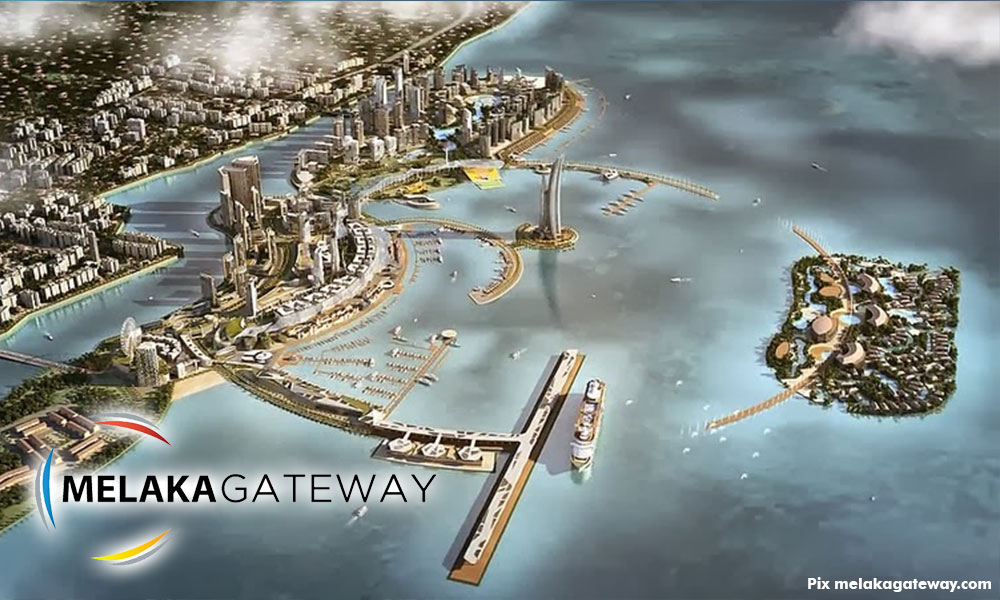
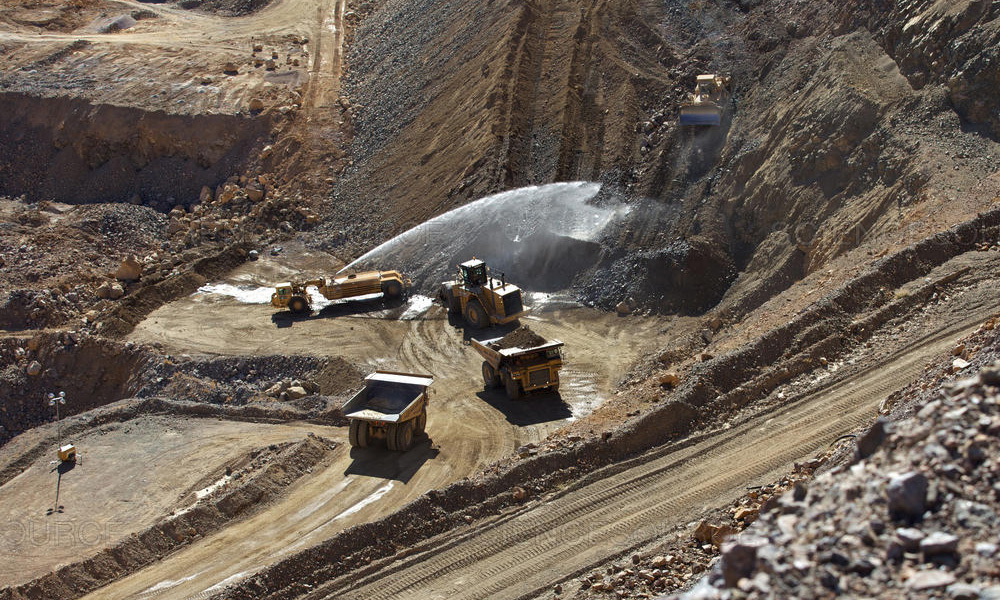
While the Melaka Gateway was eventually scrapped by the government in November 2020, the project already inflicted environmental costs. Coastal reclamation works had disrupted ecosystems and jeopardised fishing communities' access to marine resources. It also led to rapid coastal erosion triggered by the loss of natural coastal protection of mangroves.
The reclamation had also threatened the endangered hawksbill turtle as the reclaimed land hindered them from laying their eggs. Malacca has the biggest nesting population in the peninsula.
Despite the impacts, there are no signs of stopping for megaprojects as the 2021 state budget will ensure the continuity of these projects, including the Klang Valley First Phase Double Tracking Project, Pan-Borneo Highway and Kuala Lumpur-Singapore High-Speed Rail (HSR).
Minister in the Prime Minister's Department for Economic Affairs Mustapa Mohamed said it was impossible to stop these projects because "it would affect the others".
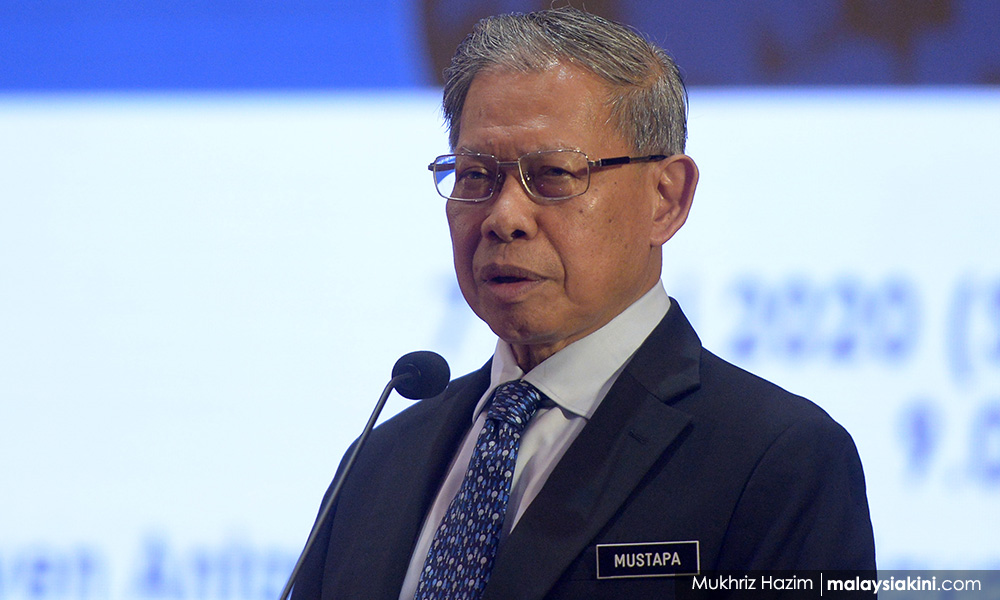
"There will be no jobs for people such as contractors, those selling building materials, engineers and even lawyers, like (the MP for) Jelutong will have no jobs if the projects are halted," he said.
Malaysia pledged under the Paris Agreement in 2016 to reduce its greenhouse gas emissions by 45 percent by 2030. However, Malaysia's political economy remains driven by encouraging private sector investment in infrastructure and megaprojects priced in billions.
Green urbanism expert from the Lulea University of Technology, Agatino Rizzo, wrote that Megaprojects and the limits of 'green resilience' in the global South: Two cases from Malaysia and Qatar comments on the surge of climate change discourse in urban planning.
"While the plans, urban megaprojects (tend to) emphasise its smart and green features, (but being) silent about the process.
"It brings in low-paid, racialised workers who will never benefit from or use these projects. Those who benefit are, instead, local and foreign elite, either as business developers or inhabitants or knowledge workers," Rizzo wrote in his paper "Megaprojects and the limits of 'green resilience' in the global South: Two cases from Malaysia and Qatar".
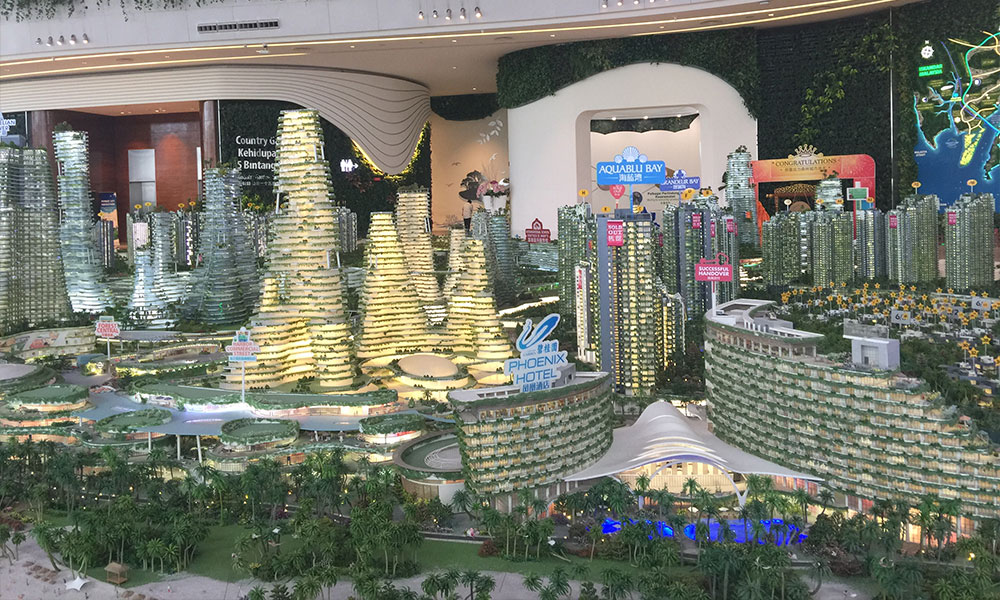
The Forest City project in Johor - which is still under construction as well - best illustrates this. It features a metropolis on four islands of reclaimed land and as an exemplar of "Prime Model of Future City" combining eco-friendly technology and sustainable development. The project has also won the 2020 Sustainable Cities and Human Settlements Award (SCAHSA) and Global Green Smart City award supported by the United Nations Environment Programme (UNEP).
However, the project has cleared coastal mangroves in the Pulai River Mangrove Forest Reserve. Indigenous Orang Seletar and fishing communities who live in the area have also lost their livelihoods as a result of the clearance.
It had also been a subject of controversy because it was aimed primarily at investors from China. While the units were unaffordable to locals, its close location to Singapore offered a cheaper alternative to Chinese buyers.
The promised economic perks have always been the justification for pursuing such megaprojects. While the benefits of tourism, international trade and employment might be enjoyed at the national or regional level, they are hardly felt at the local level, where its socioeconomic and environmental impacts are mostly felt.
Nancy Alexander, the director of economic governance at the Heinrich Boell Foundation, said investors would privatise gains and socialise losses while locking in carbon-intensive approaches due to lack of democratic control.
With residents' lack of control over such approaches that affect them, there is a need to re-evaluate who directly benefits from these kinds of megaprojects.
Two weeks after the contract with the main developer was terminated this year, Chief Minister Sulaiman Md Ali announced that the Melaka Gateway project would proceed. As green megaprojects show no signs of stopping in Malaysia and the world in general, the future might still be going on this trajectory.
YVONNE TAN is part of Climate Tracker's Southeast Asia Journalism Fellowship programme, an independent scientific analysis that tracks government climate action
The views expressed here are those of the author/contributor and do not necessarily represent the views of Malaysiakini.
/file/publisher-c1a3f893382d2b2f8a9aa22a654d9c97/2019/08/31968a2c1f0c8b98d6888b1757d84710.jpg)





Report this comment
Are you sure you want to delete this comment?
This action cannot be undone.