



ADUN SPEAKS | The need for Covid-19 vaccine passport between M'sia and S'pore
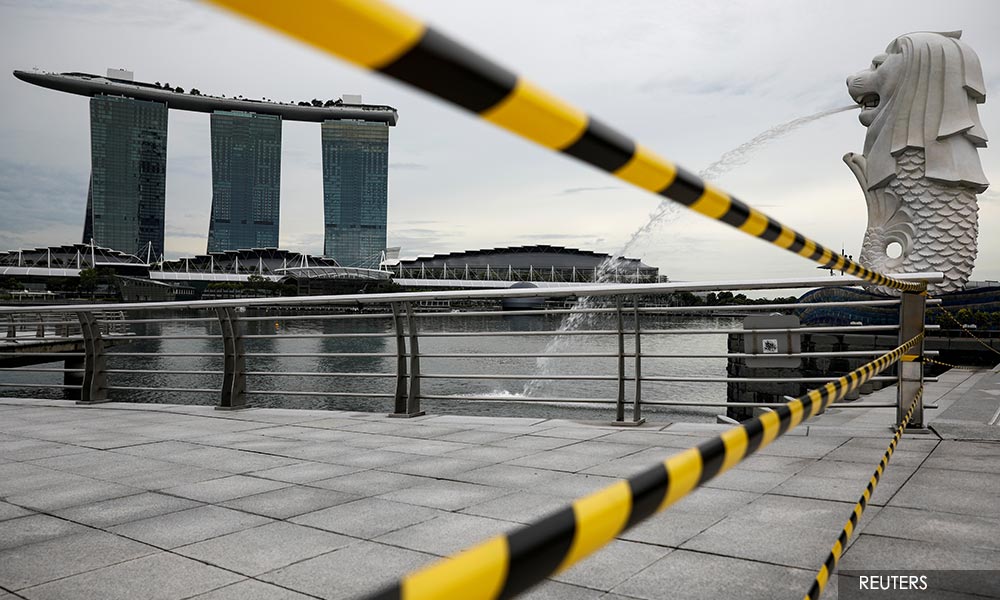
ADUN SPEAKS | As we approach the anniversary of the border closure between Johor Bahru and Singapore, I welcome the news that Malaysia will finally be receiving our first batch of Covid-19 vaccine this Sunday (Feb 21).
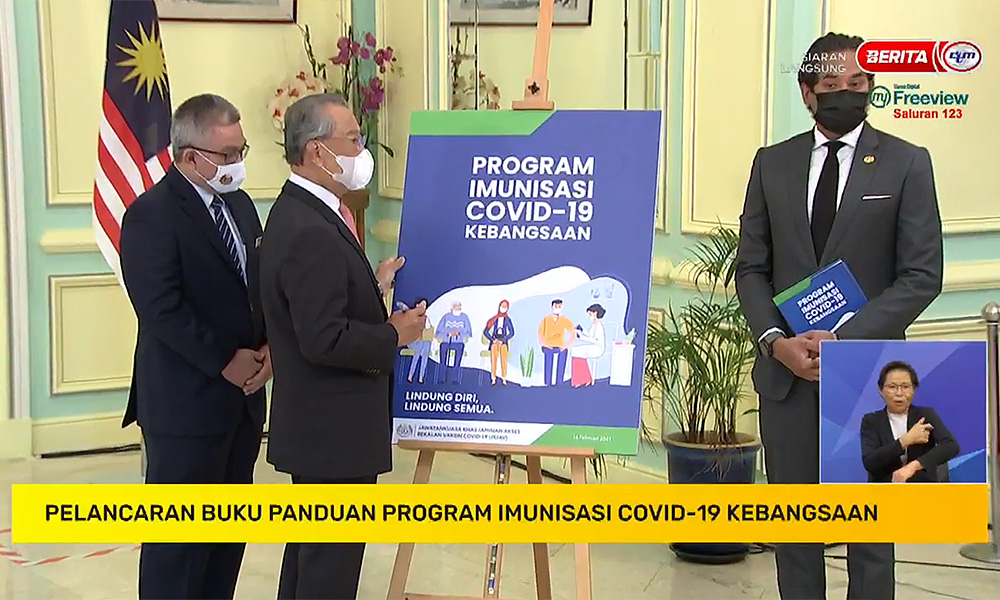
During the launch of the National Covid-19 Immunisation Programme Handbook, the prime minister, in his bid to encourage Malaysians to take up the vaccine, acknowledged the fact that other countries might in the future require an immunity passport for travel.
However, he fell short of providing further details on how he intends to facilitate future travels for Malaysians. Will Malaysians receive any form of certification after getting vaccinated, or will Malaysia go one step further and create a vaccine passport that will be recognised by other countries?...
ADUN SPEAKS | As we approach the anniversary of the border closure between Johor Bahru and Singapore, I welcome the news that Malaysia will finally be receiving our first batch of Covid-19 vaccine this Sunday (Feb 21).
During the launch of the National Covid-19 Immunisation Programme Handbook, the prime minister, in his bid to encourage Malaysians to take up the vaccine, acknowledged the fact that other countries might in the future require an immunity passport for travel.
However, he fell short of providing further details on how he intends to facilitate future travels for Malaysians. Will Malaysians receive any form of certification after getting vaccinated, or will Malaysia go one step further and create a vaccine passport that will be recognised by other countries?
While there is still not yet a global standardisation, what could be done is to create a vaccine passport between countries with bilateral ties.
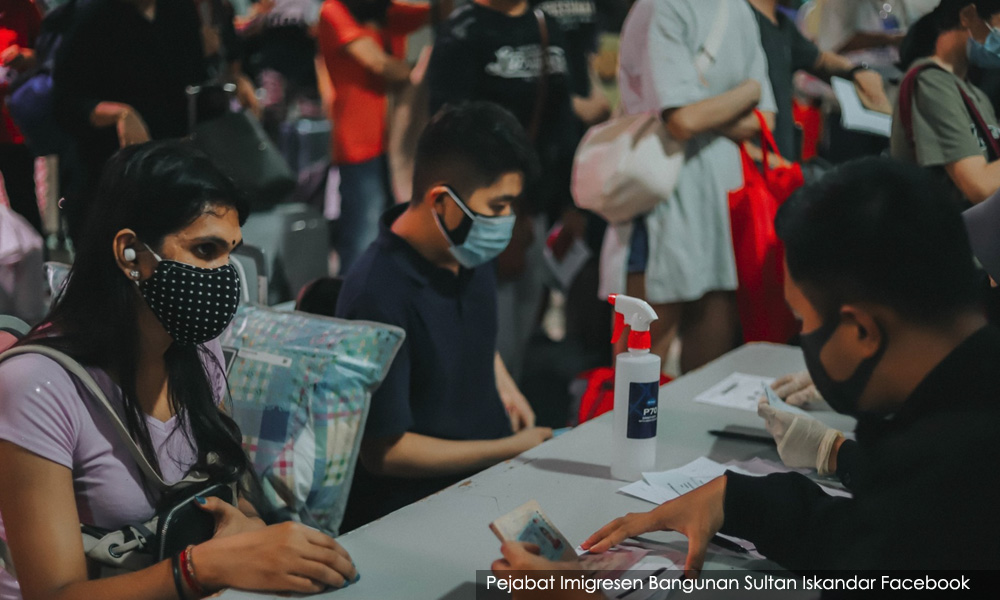
Malaysia and Singapore's economy depends heavily on its citizens travelling between the two countries for trade and commerce, for labour, for education, for tourism, for healthcare, and many other reasons.
Even as we speak, thousands of Malaysians remain in Singapore. They have not seen their families for nearly a year already and have missed celebrating Hari Raya, Deepavali and Chinese New Year with their loved ones.
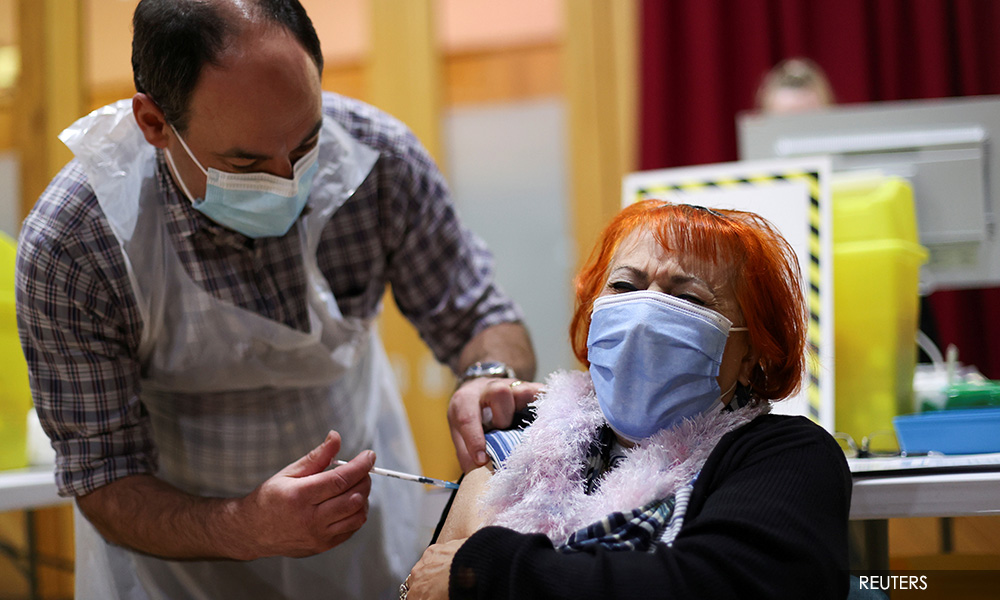
Travelling between Malaysia and Singapore must be facilitated as soon as possible. As the people in both nations start to get immunised, there are no bilateral benefits if travel policies are left stagnant. The possibility of travelling between the two countries will not happen naturally and can only be achieved through negotiations.

I call upon the foreign affairs minister to start communicating with his Singapore counterpart now to come up with a vaccine passport between Malaysia and Singapore so that people who are already vaccinated can travel between the two countries without having to serve quarantine. To prevent fraud, this vaccine passport must also contain some security measures so that it is not easily duplicated.
If this can be achieved, the passport will serve as a form of recognition of the other nation's vaccination programme. The bilateral ties and mutual trust between Malaysia and Singapore will also be greatly enhanced and will be beneficial for the relationship between the two countries.
With the creation of such a vaccine passport, the reopening of the border between Johor Bahru and Singapore can be expedited. Without this vaccine passport, both countries' economies will continue to suffer unnecessarily even when the countries' citizens are vaccinated.
ANDREW CHEN KAH ENG is Stulang state assemblyperson.
The views expressed here are those of the author/contributor and do not necessarily represent the views of Malaysiakini.


Are you sure you want to delete this comment?
This action cannot be undone.