



COMMENT | The right to cyberbully?
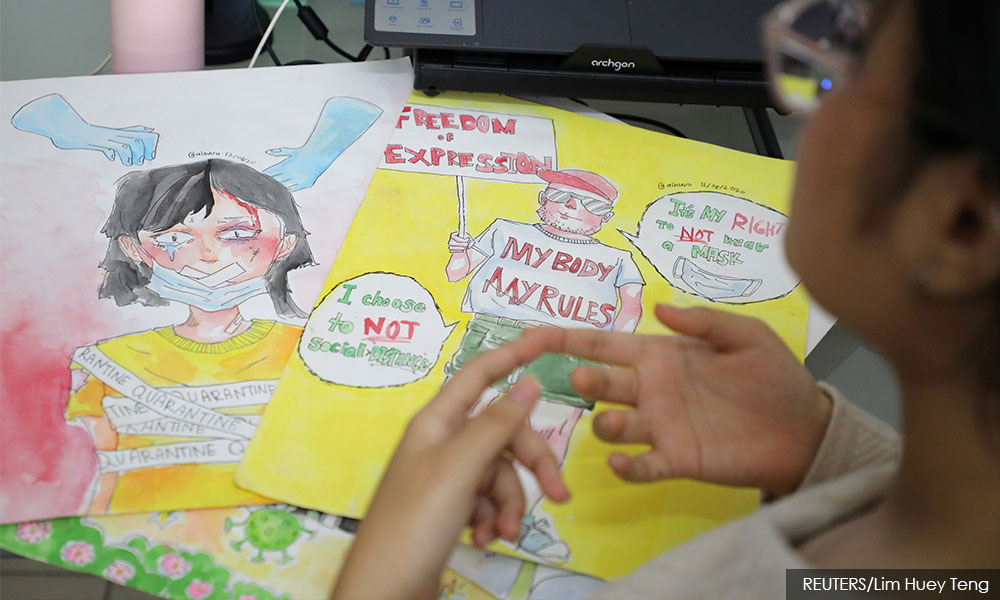
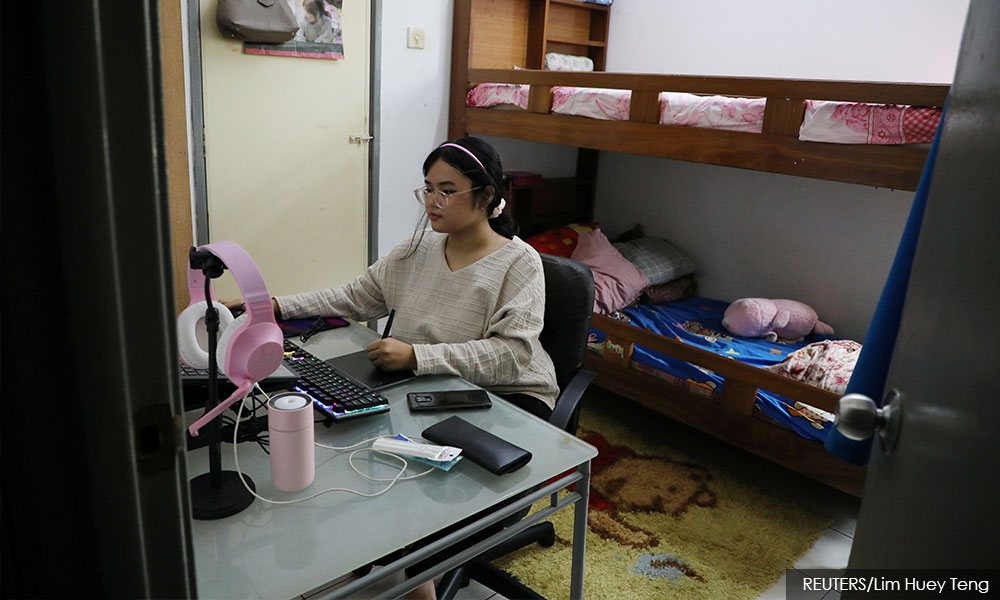
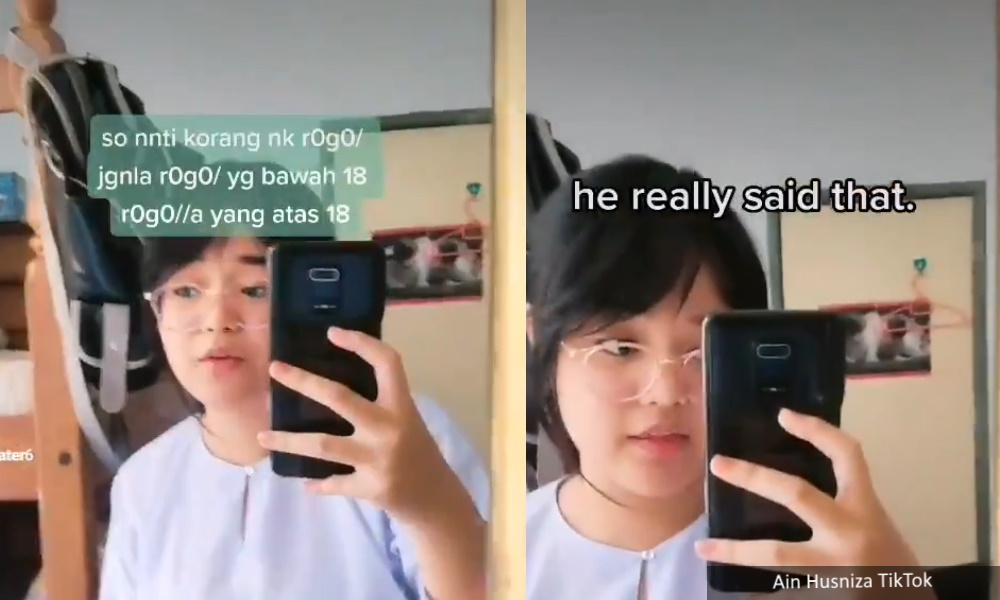
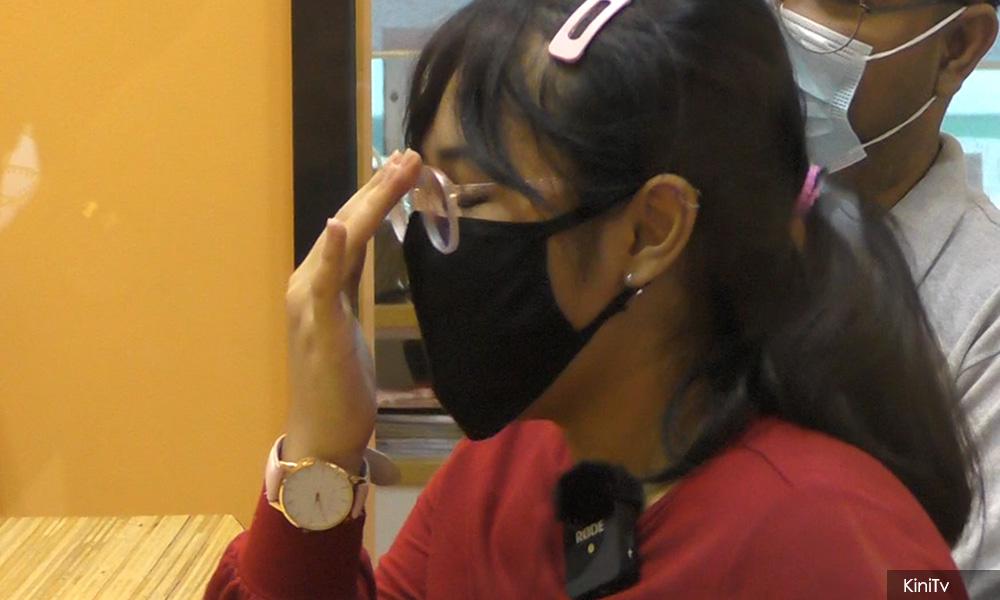
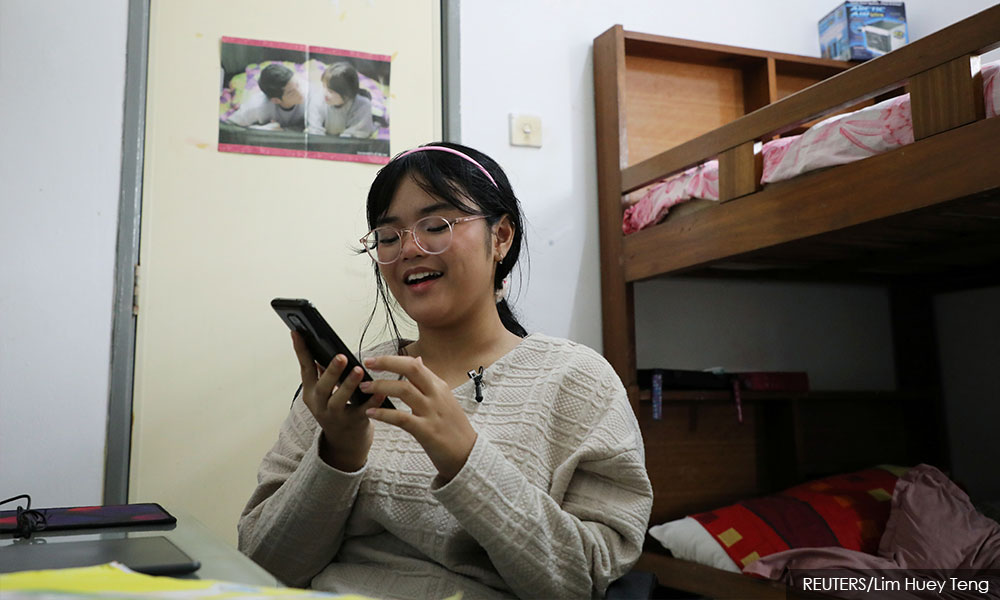
COMMENT | Seventeen-year-old student Ain Husniza Saiful Nizam has drawn the spotlight for more than two weeks after she exposed how a physical education teacher nonchalantly made a joke about rape on a now-viral TikTok video.
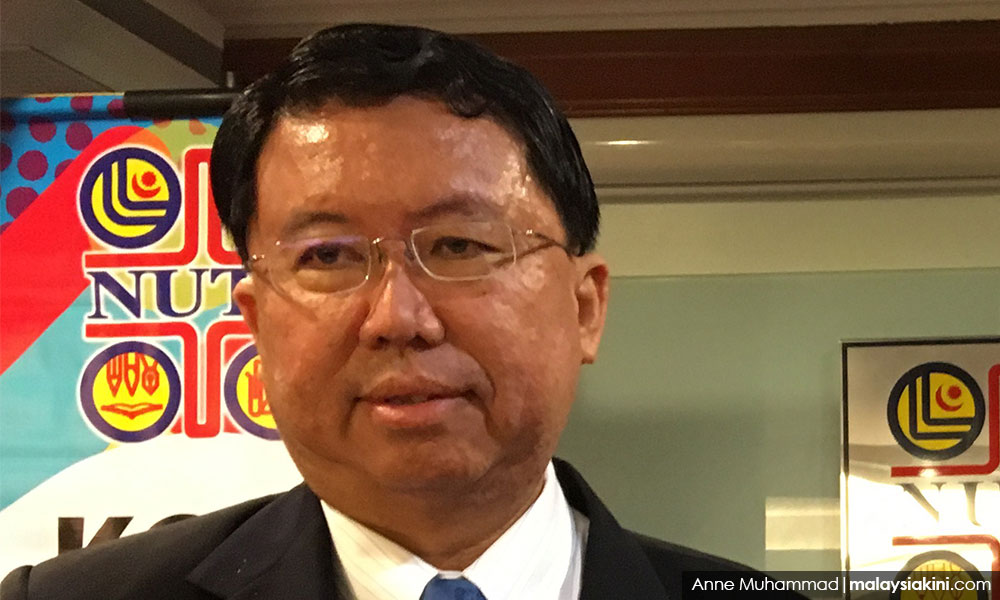
This has kickstarted a firestorm calling for the reevaluation of how “rape culture” is normalised within the Malaysian education system with Ain being right at the centre of it (please refer to the heated conversation involving the National Union of the Teaching Professionals (NUTP) secretary-general, Harry Tan, during a media interview that captures the essence of this divide).
Like many other similar controversies involving non-celebrities or non-dignitaries, Ain drew the ire and attention of Malaysians' social media who either were highly critical of her approach or just downright engaged in unreserved cyberbullying.
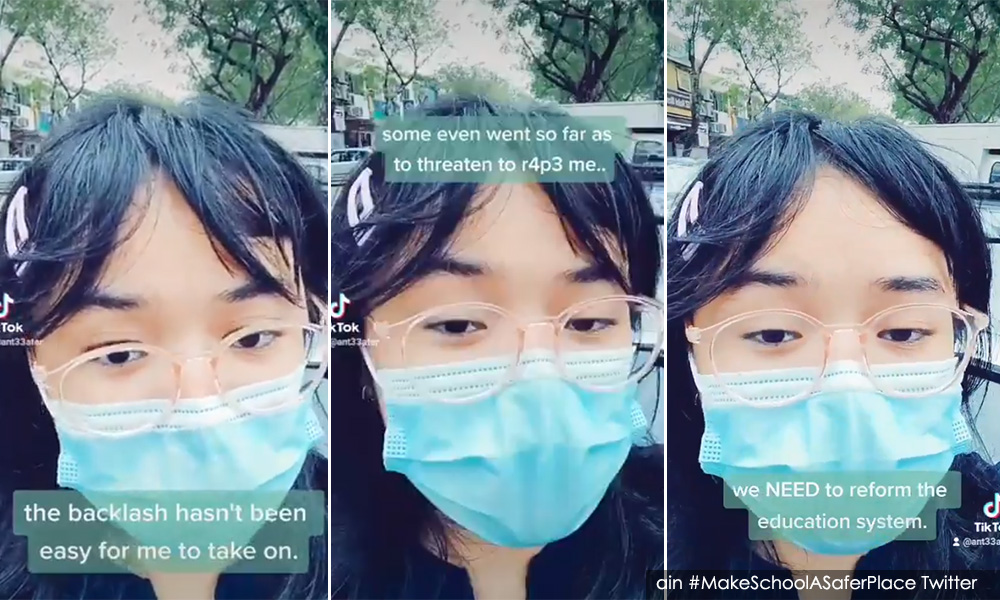
Ain has been subjected to a continuous barrage of toxic, sexist and hateful comments thrown at her (most recently from her own school principal, who allegedly called her “devil spawn”). Adding to this, she has been unfairly attacked for her looks and demeanour, all because she had the audacity to speak out...
COMMENT | Seventeen-year-old student Ain Husniza Saiful Nizam has drawn the spotlight for more than two weeks after she exposed how a physical education teacher nonchalantly made a joke about rape on a now-viral TikTok video.
This has kickstarted a firestorm calling for the reevaluation of how “rape culture” is normalised within the Malaysian education system with Ain being right at the centre of it (please refer to the heated conversation involving the National Union of the Teaching Professionals (NUTP) secretary-general, Harry Tan, during a media interview that captures the essence of this divide).
Like many other similar controversies involving non-celebrities or non-dignitaries, Ain drew the ire and attention of Malaysians' social media who either were highly critical of her approach or just downright engaged in unreserved cyberbullying.
Ain has been subjected to a continuous barrage of toxic, sexist and hateful comments thrown at her (most recently from her own school principal, who allegedly called her “devil spawn”). Adding to this, she has been unfairly attacked for her looks and demeanour, all because she had the audacity to speak out.
Public controversies take centre stage in Malaysia’s media space in very escalated and unpredictable ways. Regardless if it’s from an errant influencer, a politician who ran their mouth or a road rage incident, Malaysians on social media (sometimes referred to as “netizens”) often turn into worse versions of themselves when commenting on these issues.
It is not uncommon to see Malaysians engage in all forms of cyberbullying behaviour: aggressive name-calling, callous use of derogatory slurs and insults, and most frightening of all, doxxing (the act of leaking private information about a person online to invite physical harassment and intimidation).
Cyberbullying of this level only leads to devastating and sometimes violent outcomes, especially for the victims. If there is a party who is seen as acting in a way that is culturally unacceptable or even interrupting the status quo, ethical restrictions for netizens are removed, allowing them to publicly shame or harass said parties to no end.
This is, of course, the absolute wrong way to ever have meaningful discourse and improvement. Ain of course is experiencing this, to which her personal removal from public channels has now resulted in her being possibly expelled from school. Thankfully, there are also avenues of support for her, and it is very heartening to see many Malaysians who are choosing to #StandWithAin amidst this escalating controversy.
Boundaries obliterated
So, why do Malaysians in online spaces assume such positions when engaging with public issues like this? Recently there was a case of a local influencer, Cathryn Li, making a sobering post explaining her poor mental health and how it drove her to attempt suicide.
Despite an overwhelming show of support in the comments of that post, elsewhere, netizens were less humane in their response as they essentially dismissed her “suffering” as part and parcel of being a public personality; as she had chosen to be in the limelight, this was the lifestyle she signed up for and therefore cannot possibly complain about having depression or anxiety.
While social media has democratised the gap between media producers and their audiences, the audience perception of public personalities has not. The traditional notion was that politicians and public personas needed “thick skin” in order to survive, whereby they would be subjected to a mass audience that included both allies and enemies alike.
These public personalities were expected to appeal to their fans within the general public and ignore the rest. As public representatives, this made sense as you are expected to receive negative feedback and respond accordingly which is the basis of representative democracy.
Under traditional media, it was easy for these public figures to detach and distance themselves from the audience and due to the immense media industrial complex, they were greatly insulated and protected with an army of PR professionals, spin doctors and protection services at their disposal. Such public figures (especially politicians), would have had to invest years into building, cultivating and learning how to adapt to life in the public eye.
In contrast, social media has flipped this entire ecosystem on its head as the boundaries between public personas and the audience have been obliterated. Without the clean dichotomy between producers and consumers of content, this new class of “prosumers'' has complicated matters as regular people can now see themselves as potential influencers without media gatekeepers.
Today, anyone has the capacity to become famous which is also normalised, turning an entire generation raised on social media into mass communicators.
In spite of the lowered barrier of access to mass media, the public at large still views deliberate or accidental influencers akin to internet celebrities, who are desperately seeking attention. Due to the inherent broadcast nature of social media, social media users are assumed to desire the spotlight and as such are considered fair game for cyberbullying.
The irony is, social media improves the speed and delivery of negative feedback, where it was previously blocked by traditional gatekeepers, in reaching influencers almost unhindered, greatly amplifying its effects.
Vicious and vindictive
The near-constant harassment of Ain whenever she appears on any public platform shows how some Malaysian users have abandoned their civility on social media. There is little awareness of the severity of their attacks as they are often vicious, vindictive and almost entitled in nature.
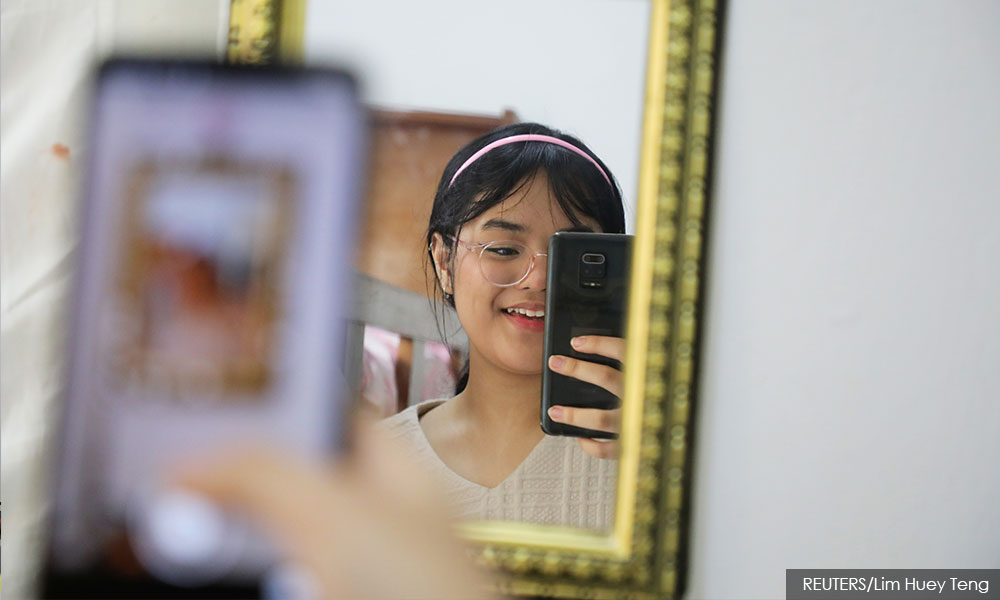
It must be said that Ain is brave and admirable (including her wonderful family for supporting her through this); she chose to expose the banality and subtlety of rape culture and how easily it is to shrug them off. But her public experiences throughout the ordeal will highly discourage many others from ever speaking out against such offences.
It is important to also remember that an overwhelming number of these cases involve women and other marginalised groups. Too many have been silenced because they are too afraid of the toxic feedback and their safety, to ever speak their truths.
The anonymity of social media draws out the cruellest and most animalistic traits in people who feel they can say whatever they feel like with no consequences. We need the support of everyone to solve this: There is an obvious need to rethink how we engage with public figures on social media, especially when young girls and women need support against the patriarchy.
Disparaging comments made both openly or in private have massive impacts on the reader, and such toxicity in a time where kindness and support are necessary. Also, the dismissiveness of members of authority only exacerbates cyberbullying. A willingness to listen and to be open to possibilities, however, changes this sentiment.
Lastly, new laws or amendments need to be made to the Communications and Multimedia Act to start training Malaysians on how to behave in online spaces and instil an important element of gender mainstreaming as well.
BENJAMIN LOH YEW HOONG is a senior lecturer at the School of Media and Communication at Taylor’s University.
VILASHINI SOMIAH is a senior lecturer at the Gender Studies Programme at Universiti Malaya.
The views expressed here are those of the author/contributor and do not necessarily represent the views of Malaysiakini.



Report this comment
Are you sure you want to delete this comment?
This action cannot be undone.