
COMMENT | Israel: Malaysian youths go from boycott fever to protest apathy
COMMENT | Globally, Generation Z is known for being progressive, socially aware and willing to mobilise for diverse causes. Malaysian Gen Z youths are no different.
Today’s youth are seen protesting peacefully for their right to vote and calling out teachers and the Malaysian education system for perpetuating sexual harassment and assault of students. This is in addition to speaking out on global issues such as climate change, the failures of capitalism and various atrocities happening around the world.
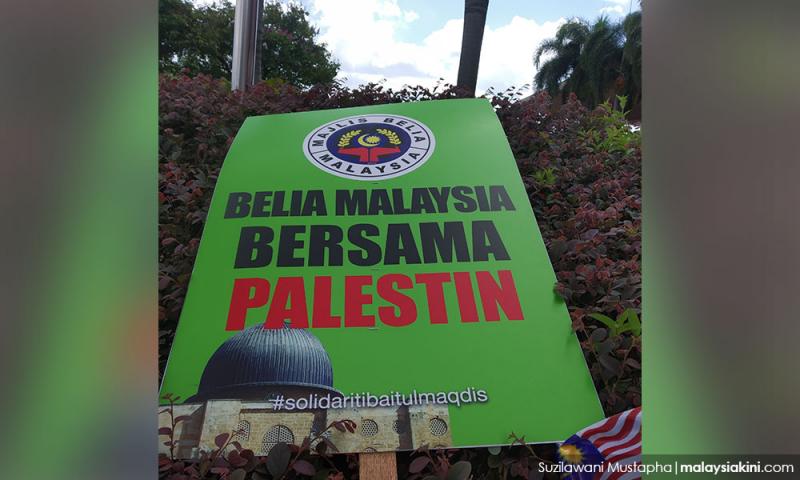
One of the numerous atrocities gaining significant attention amongst the youth, especially on social media, is the Palestinian-Israeli conflict that continues to ravage Palestinians to this day.
Among other acts, Malaysian youths tend to utilise brand boycotts as a form of protest. Much like Zoomers from all over the world, youths in Malaysia have become increasingly aware of the importance of their voices being heard, especially in terms of brands and consumerism.
Our young people recognise that it is all about...
COMMENT | Globally, Generation Z is known for being progressive, socially aware and willing to mobilise for diverse causes. Malaysian Gen Z youths are no different.
Today’s youth are seen protesting peacefully for their right to vote and calling out teachers and the Malaysian education system for perpetuating sexual harassment and assault of students. This is in addition to speaking out on global issues such as climate change, the failures of capitalism and various atrocities happening around the world.
One of the numerous atrocities gaining significant attention among the youth, especially on social media, is the Palestinian-Israeli conflict that continues to ravage Palestinians to this day.
Among other acts, Malaysian youths tend to utilise brand boycotts as a form of protest. Much like Zoomers from all over the world, youths in Malaysia have become increasingly aware of the importance of their voices being heard, especially in terms of brands and consumerism.
Our young people recognise that it is all about putting their money where their mouth is, as brands will only listen to their consumers if a majority of them stop spending money on their products or services. Youths are only willing to give money to brands whose values align with theirs.
Across the globe, the majority of Gen Z-ers are advocates of the mass boycotting of goods and services that are either from Israel or contribute to the Zionist regime.
Examples on social media include a tweet encouraging users not to create websites using Wix because “it’s an Israeli company based in Tel Aviv”, as well as a Twitter thread providing a list of companies that users should boycott because they are pro-Israel.
Here in Malaysia, the call to boycott those deemed to be pro-Israel companies is a tale as old as time.
Many Malaysians may remember being sent videos, pictures and messages copied and pasted many a time by their parents in the WhatsApp family group chat, or by concerned relatives such as their uncles and aunts.
The same three brands stand out every time these lists are distributed across social media: McDonald’s, Starbucks and Coca-Cola. Whether or not the rationale for tarring them as pro-Israel is sound, these three brands are consistently featured in lists of companies whose products one must boycott.

In fact, if you Google “PPIM Coca-Cola”, you’ll see headlines mentioning a video of Muslim consumer group Persatuan Pengguna Islam Malaysia removing several bottles of Coca-Cola from a grocery store. Another video (made viral on Malaysian TikTok) features a McDonald’s worker saying she cannot quit her job just because the restaurant chain is pro-Israel.
As with any form of protest, a pattern emerges during these boycott campaigns: Malaysian youths go on a rampage and the boycott frenzy begins. They then realise, albeit subconsciously, that their desire for the products and services provided by these pro-Israeli companies trumps their moral obligation.
Eventually, the boycott movement peters out and they end up ordering a large Coke to go with their fries and Big Mac. They become apathetic, as humans are wont to be, because they forget. A friend of mine summed it up best: there exist these “peak” times in which we boycott. This is one of those times.
Thus lies the question: is boycotting pro-Israeli companies an effective form of protest?
Personally, I find that boycotting alone is a difficult and weak method of protesting, especially with regard to Israel, because it requires long-term dedication and hinges on our ability to find sustainable alternatives to the items we tend to consume.
Who among us is truly willing to give up McDonald’s or Starbucks? They are, after all, popular food and beverage chains for a reason.

Those who harbour a distaste for fast food and coffee may find this endeavour easy, but for most youths - especially those who rely on these chains due to convenience - permanently stopping their consumption of these goods is easier said than done.
Another problem youths have is knowing which brands are the right ones to boycott. Countless lists are shared on social media of companies we must boycott, but which one is accurate? Because most companies are not transparent in terms of their spending, at least not to the public. It is almost impossible to determine which brands are actually supporting the Zionists.
Social media is also to blame: clickbait-y tweets, captions and infographics hide a lack of research and invoke outrage among users, resulting in mass sharing of false information.
Honestly, my main gripe with this issue is that most Malay-Muslims only expend their energies and concern towards Palestine while simultaneously ignoring the plight of others within and nearby Malaysia.
A notable example is the Rohingya refugee crisis happening in our own country. It pains me to see that Malay-Muslims pay no attention to our Muslim brothers and sisters in need here in Malaysia, but are more than willing to sacrifice time and money to aid Palestinians.
Like many Malaysians, I know all too well that Palestinians are the victims in this case, but I cannot understand why the same sentiments of anger and empathy are not given to the Rohingya people, and to others around the world.

We should, and we must, treat our fellow humankind with kindness and respect, regardless of religion or where they are from.
I also believe that many Malay-Muslims have been brainwashed into identifying all Jews as the enemy, instead of thinking critically and realising that it is the Zionists who are the oppressors.
Antisemitism is rampant here, and it needs to be eradicated.
Ideally, youths would be in a position to boycott products that they know beyond a shadow of a doubt support Zionism and are also able to donate money to charities and organisations that are transparent in their approach to aiding Palestinians.
Unfortunately, in today’s society, this is not possible for all youths due to a lack of privilege. Nevertheless, we must work together in making this a reality if we want to help our Palestinian brethren in need.
Editor's Note: McDonald's Malaysia has denied channelling aid to Israel. Coca-Cola has touted its track record in providing jobs to Palestinians.
KHADEEJAH ABDUL HALIM is a UCL graduate with a BA in English. She believes the pen is mightier than the sword. She is one of many Malaysian Gen Z youths who are frustrated with the way the government is running the country.
The views expressed here are those of the author/contributor and do not necessarily represent the views of Malaysiakini.


Are you sure you want to delete this comment?
This action cannot be undone.