



HISTORY | Entrepreneurial Malay aristocracy in Malaya
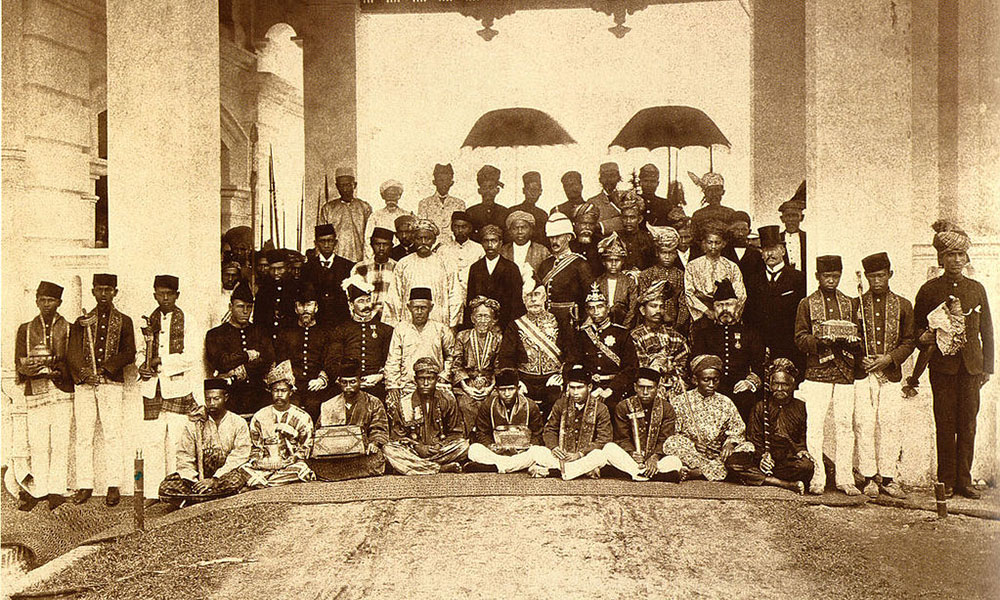
HISTORY: TOLD AS IT IS | In the late 19th and early 20th centuries, the British colonial government shaped the economy of the Malay states as a bastion for British and European capitalists. In regions where it had some risk of jeopardising their interests, no policy was ever implemented to promote Asian capitalists.
The British, however, were mindful in their handling of the Malay aristocrats. They took care not to endanger their commercial interests in order to maintain colonial protectorate status over the Malay states. In any case, the Malay aristocracy showed a natural talent for commercial enterprise.
The participation of Malay aristocracy in capitalistic activities was not unique to the British colonial period. Richard Winstedt believed that they were participating in mining activities as early as the 15th century. But, the earliest evidence for this may be seen from the Dutch period. In 1642, the Sultan of Kedah signed a deal to complete the sale of his state’s tin to the Dutch.
In the same year, a treaty with Johor was concluded. Sultan Muzaffar Shah III (1728-56) and Sultan Muhammad Shah (1764-73), both of Perak, signed tin-selling treaties with the Dutch. The ruler of Rembau (now part of the state of Negeri Sembilan) sold tin to the Dutch in Malacca in 1758. On occasion, the latter sold the tin to British country traders/private dealers who offered higher prices.
In the 19th century, the Malay aristocracy was compelled to brace the political impacts generated by the transition in colonial control to the British to continue their commercial enterprise in tin sales. During this period, notably in the 1840s, Sultan Abdul Samad of Selangor (1857-98) and Raja Abdullah (1874-77) were two ambitious capitalists...
HISTORY: TOLD AS IT IS | In the late 19th and early 20th centuries, the British colonial government shaped the economy of the Malay states as a bastion for British and European capitalists. In regions where it had some risk of jeopardising their interests, no policy was ever implemented to promote Asian capitalists.
The British, however, were mindful in their handling of the Malay aristocrats. They took care not to endanger their commercial interests in order to maintain colonial protectorate status over the Malay states. In any case, the Malay aristocracy showed a natural talent for commercial enterprise.
The participation of Malay aristocracy in capitalistic activities was not unique to the British colonial period. Richard Winstedt believed that they were participating in mining activities as early as the 15th century. But, the earliest evidence for this may be seen from the Dutch period. In 1642, the Sultan of Kedah signed a deal to complete the sale of his state’s tin to the Dutch.
In the same year, a treaty with Johor was concluded. Sultan Muzaffar Shah III (1728-56) and Sultan Muhammad Shah (1764-73), both of Perak, signed tin-selling treaties with the Dutch. The ruler of Rembau (now part of the state of Negeri Sembilan) sold tin to the Dutch in Malacca in 1758. On occasion, the latter sold the tin to British country traders/private dealers who offered higher prices.
In the 19th century, the Malay aristocracy was compelled to brace the political impacts generated by the transition in colonial control to the British to continue their commercial enterprise in tin sales. During this period, notably in the 1840s, Sultan Abdul Samad of Selangor (1857-98) and Raja Abdullah (1874-77) were two ambitious capitalists.
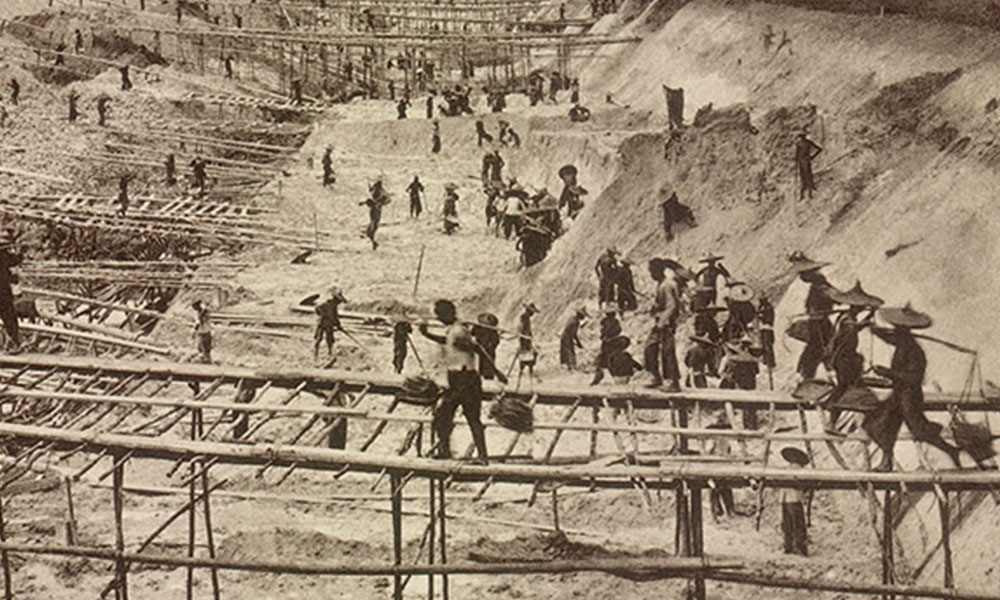
The former had a $100,000 tin hoard and put it into new tin mines in Ulu Langat. According to JM Gullick in ‘The Entrepreneur in Late 19th Century Malay Peasant Society’, Sultan Abdul Samad used to support the padi planters in his state with revenues from his tin businesses.
Prior to the British intervention in 1874, Malay rulers enjoyed total power, and their chiefs and penghulus were no less influential. From 1874, when the British Residential System was introduced in the Malay states, the British wrested control of the entire administration. But, at a point, the British eventually thought that this was too intrusive and decided to offer the aristocracy considerable leeway in order to secure their political support.
The British had to make room for them to undertake business ventures since it took away the aristocrats’ right to impose and collect taxes. Their meagre fixed allowance, which was arranged in return, was barely sufficient to maintain their families and palace, and to support their religious activities and charity. New obligations were also added under British rule and Victorian ideals.
They had to entertain foreign guests, outfit their palaces with European furnishings, use new and expensive modes of transportation like steamships, yachts and horse-drawn carriages.
Kinta’s booming economy
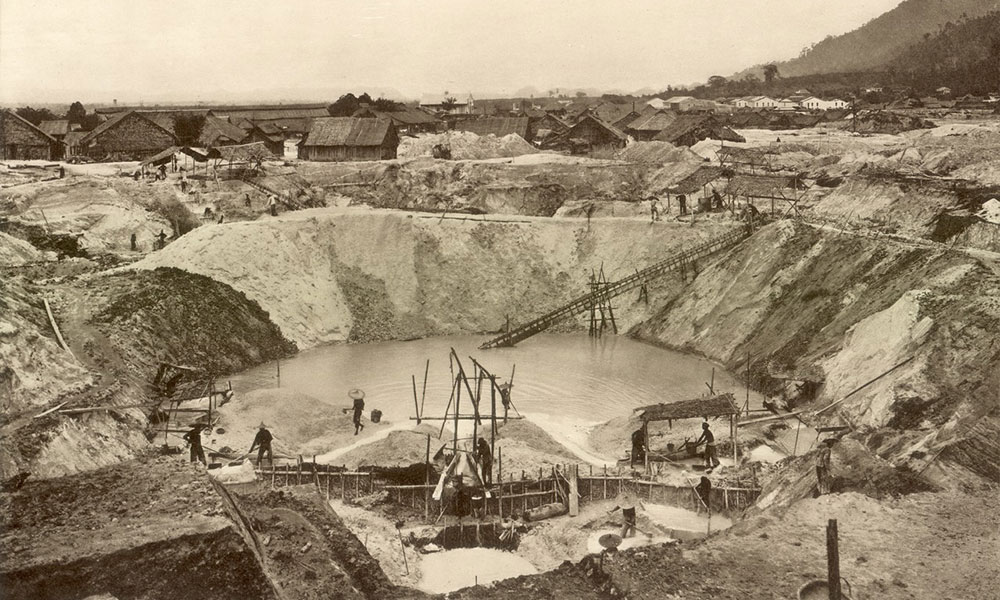
Land laws were therefore designed to favour the commercial ventures of the Malay aristocrat class. From 1878, the British in Perak permitted the chiefs and penghulus to levy a 10 percent tax (chabut) on all items exported from their districts. This gave a chance for Malay chiefs and penghulus to capitalise on the Kinta district's booming economy, particularly tin mining.
The participation of the Perak aristocratic class in the tin mining economy was evident from then on. In 1888, there were 400 ancestral mines in the Kinta district alone. In Larut, Perak, Ngah Ibrahim was already aggressively exploiting the state’s tin, earning around $180,000 in 1882.
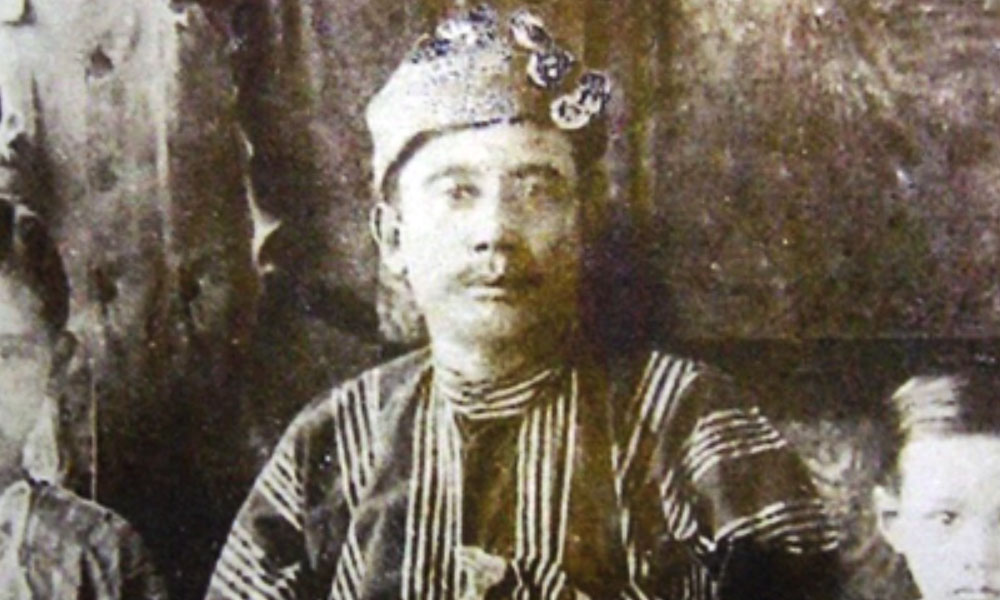
In 1880, another penghulu, Syed Musa of Chigar Galah, received an $8,000 loan from the colonial government to cultivate 16 acres of pepper crop. By the late 1890s, Malay chiefs in Perak had invested in a colonial government-sponsored irrigation project. Similarly, in the mid-1880s, Wan Mohd Saman, the Kedah chief minister, invested in the construction of the Wan Mat Saman Canal to supply irrigation for rice farming.
Even the political reconfiguration of the four Malay states – Perak, Selangor, Negeri Sembilan and Pahang – into a federation called the Federated Malay States (FMS) in 1896 did not appear to impede the commercial ambitions of the Malay aristocracy.
In Pahang, Sultan Ahmad (1881-1909) was already financially well-prepared as a result of his previous commercial dealings. He had issued 39 concessions ranging in size from two to several thousand square miles to concessionaires, including the Pahang Corporation, for mining, planting and timber cutting. On March 21, 1905, he went so far as to venture into another state, by deciding to open a 35-acre mining land in Ulu Selangor.
Sultan Suleiman Shah of Selangor was a similarly vibrant capitalist. In 1919, he successfully entered into a large-scale mining enterprise of roughly 100 acres of land in Rawang. He had previously sought prospecting rights over 300 acres of land in the Mukim of Peretak in Kuala Kubu in 1911. Members of the Selangor royal family were also active industrialists, such as Klang’s Raja Haji Osman Raja Yahya, who owned a rubber estate in 1918.
Tamil financiers
The Sultan of Perak had numerous commercial ventures in Perak, which was one of the wealthiest states in the FMS. What is more interesting is that there were aristocrats who borrowed money from the Chettiars, a Tamil financier capitalist class from southern India. In 1903, for example, one Raman Chetty provided Raja Muda of Perak a loan of $11,350.
In 1935, Tunku Abdul Rahman of the Kedah nobility, also the Kulim district officer, borrowed $4,636.58 from a Chettiar in 1935, pledging a piece of land as collateral. His mother, Che Manjalara, also used to borrow money from Karuppiah Chettiar and Muthukarpen Chettiar. In the 1930s, her own daughters, Tunku Kalsom and Tunku Rokiah, similarly borrowed from the Chettiars, namely Kailasam Chettiar and SLN Palaniappa Chettiar, for business dealings.
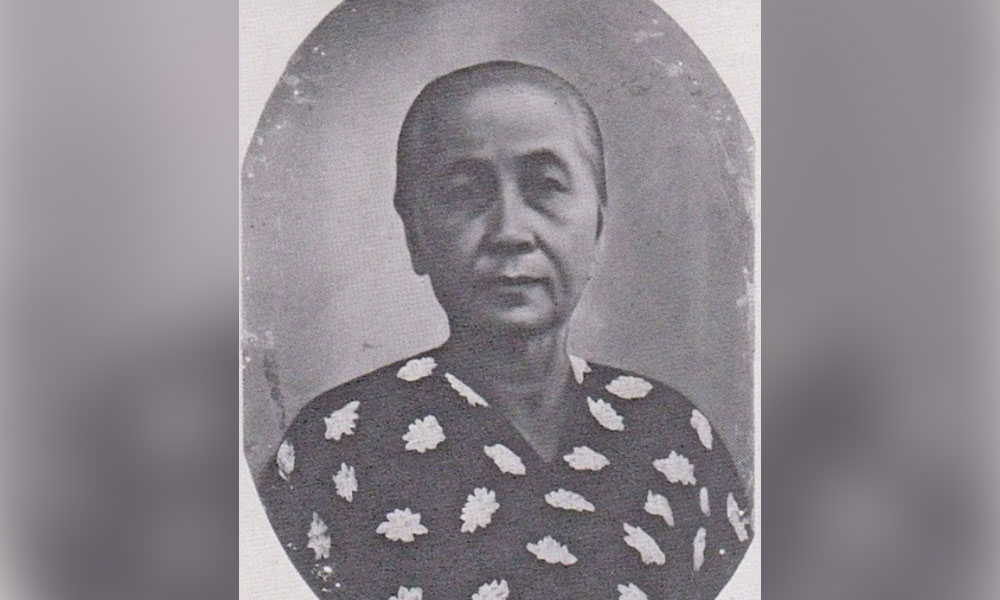
Manjalara’s business of renting business premises and paddy lands to Chinese capitalists made her one of the royal family’s wealthiest individuals. Her son, who would eventually become the country's first prime minister, also borrowed on her behalf on occasion.
In conclusion, the Malay aristocracy was not opposed to capitalistic progress and had a knack for commercial dealings. They also appear to have adjusted themselves well to the laissez-faire economy. They continued to go on their own despite the fact that they had lost much of their source of revenue after the British intervened in their states in 1874. It proves, to some extent, that the Malay rulers were not mere figureheads for the British.
SIVACHANDRALINGAM SUNDARA RAJA is an associate professor at the Universiti Malaya’s History Department. He is a well-known scholar in the field of Malaysian economic history, with numerous local and international research publications to his credit.



Are you sure you want to delete this comment?
This action cannot be undone.