


/file/publisher-c1a3f893382d2b2f8a9aa22a654d9c97/2020/08/c4309608570084440824f7f0c759b856.jpg)

COMMENT | Ask ourselves on Malaysia Day: Will we do better?
COMMENT | Imagine this, a man covered in macaw feathers lying still in a hammock outside a straw hut in the middle of a rainforest. Without context, it conjures up a serene picture of a man at rest.
Actually, it was the corpse of a man who was the last member of his indigenous tribe in Brazil, marking the first recorded disappearance of an uncontacted tribe in the South American nation’s history.
Indigenous experts in Brazil believed the man placed the macaw feathers on himself in the knowledge that he was on the verge of dying.
He is deemed to have died of natural causes and while the deceased’s name remains a mystery, he is known to the world as “the Man of the Hole” because of the dozens of holes he dug over the years in his territory.
Officials from Brazil’s indigenous protection agency Funai - who have been monitoring his survival since the 1990s - guessed that he was just about 60 years old.
It is believed that the majority of his tribe had been killed as early as the 1970s by ranchers.
In 1995, six remaining members of his tribe were...
COMMENT | Imagine this, a man covered in macaw feathers lying still in a hammock outside a straw hut in the middle of a rainforest. Without context, it conjures up a serene picture of a man at rest.
Actually, it was the corpse of a man who was the last member of his indigenous tribe in Brazil, marking the first recorded disappearance of an uncontacted tribe in the South American nation’s history.
Indigenous experts in Brazil believed the man placed the macaw feathers on himself in the knowledge that he was on the verge of dying.
He is deemed to have died of natural causes and while the deceased’s name remains a mystery, he is known to the world as “the Man of the Hole” because of the dozens of holes he dug over the years in his territory.
Officials from Brazil’s indigenous protection agency Funai - who have been monitoring his survival since the 1990s - guessed that he was just about 60 years old.
It is believed that the majority of his tribe had been killed as early as the 1970s by ranchers.
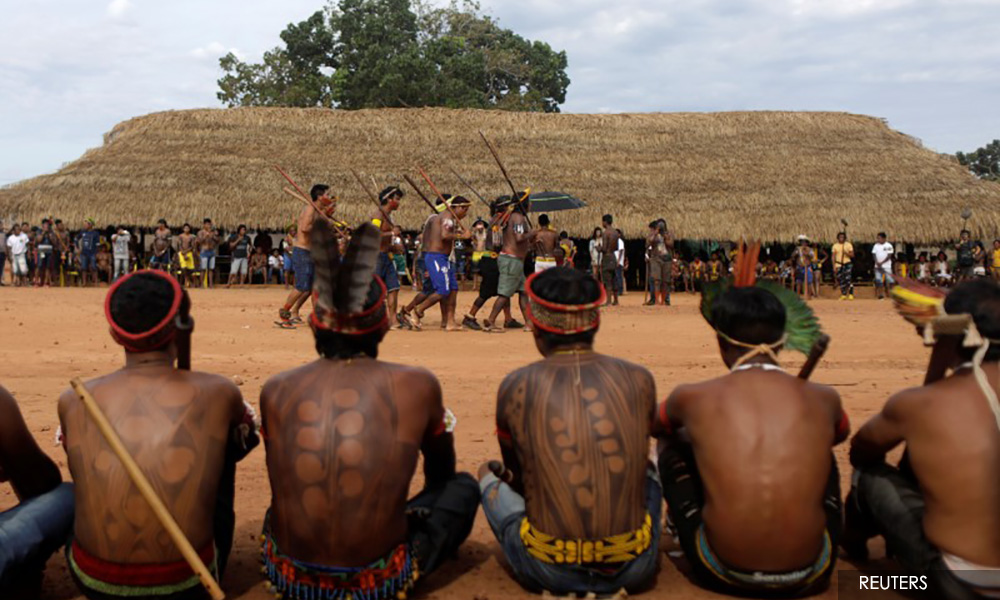
In 1995, six remaining members of his tribe were victims of an attack by illegal miners, leaving him as the tribe’s sole survivor for the last 26 years. Just imagine the sense of alienation and sorrow he must have felt.
Since the incident, Funai had been monitoring the locality for the sake of his safety but his remains were discovered last month, on Aug 23 - estimated to be roughly 40 to 50 days after his demise - during a patrol in the Tanaru Indigenous Territory in Rondônia, a Brazilian state bordering Bolivia.
I imagine that without the routine patrols of Brazil’s indigenous protection agencies, his body may have never been discovered - and along with it, the ill-fated tribe would’ve disappeared without a trace.
How about our own backyard?
When I first heard this tale, I couldn't help but look back at my own backyard and wonder if I should have similar worries that we may not be doing enough to protect, document, and care for our indigenous groups.
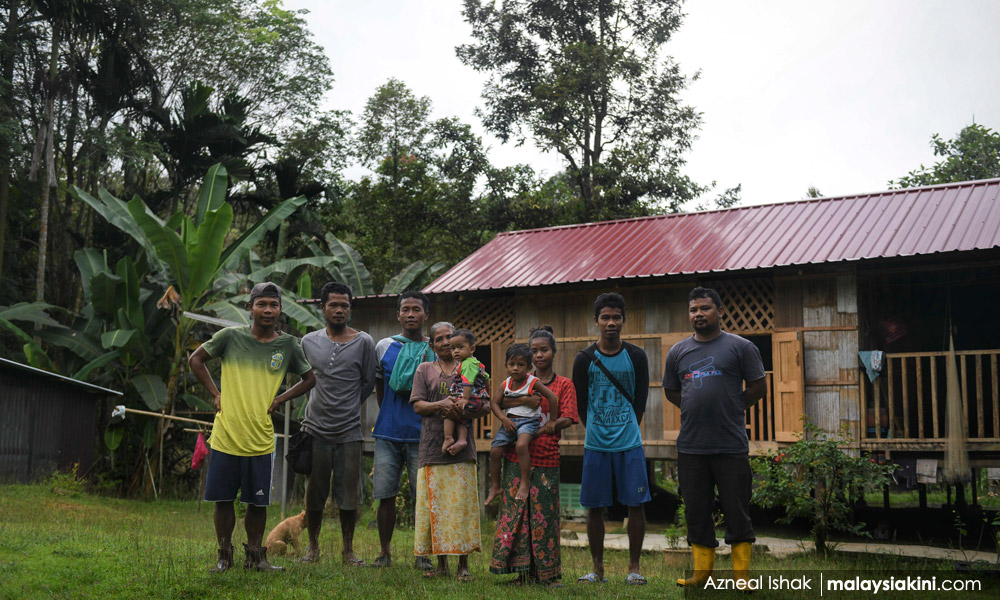
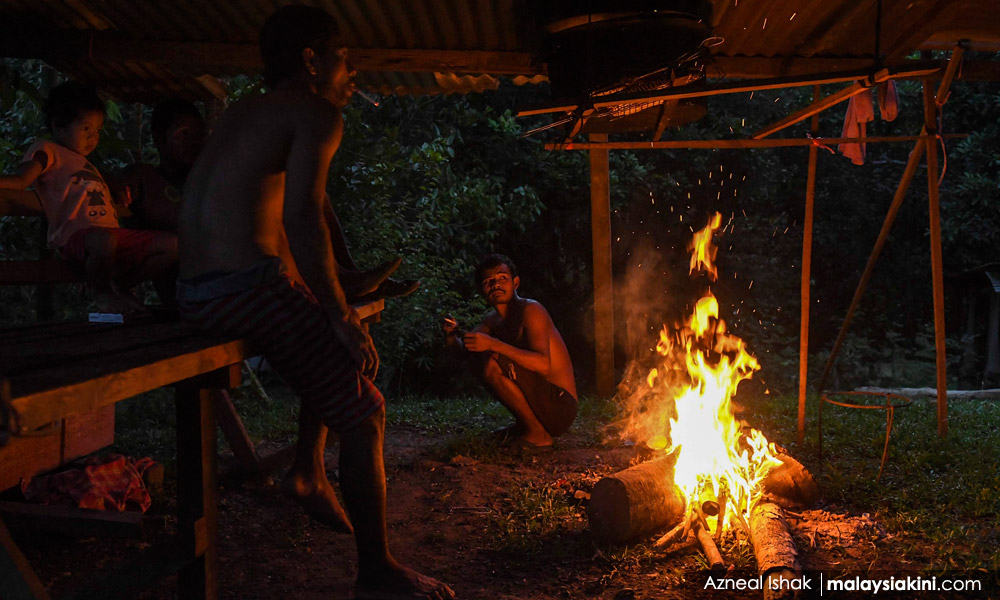
It is without dispute that both the Orang Asli of the peninsula and the Orang Asal of Borneo face unique challenges.
For many, not enough has changed in terms of their standard of living, enduring lower life expectancy, access to healthcare, electricity and running water, as well as lower education levels and mean income.
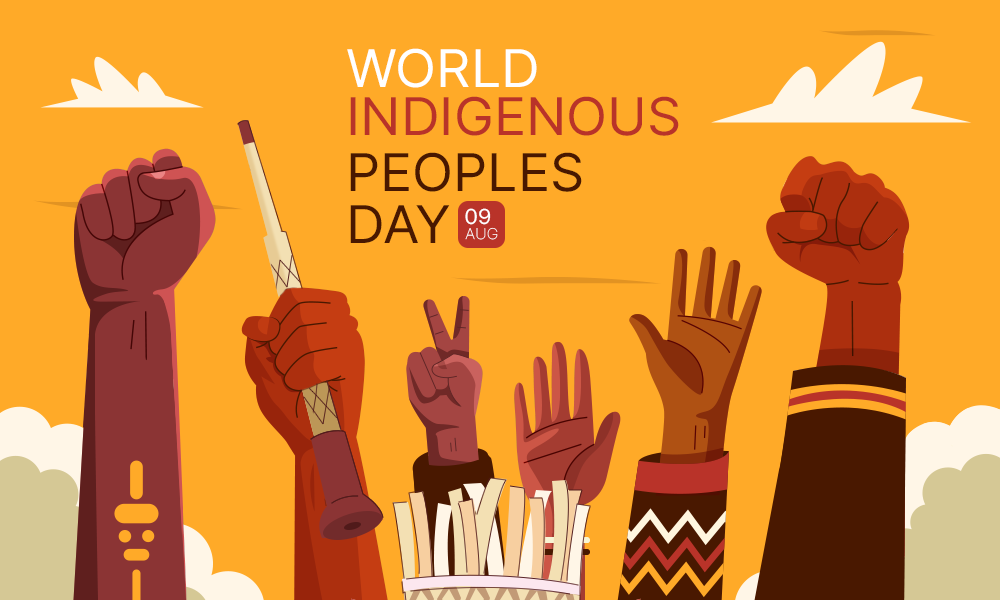
I was attempting to pursue a story that never was - in conjunction with World Indigenous Day, last month (Aug 9) - when I was struck by one particular issue brought to my attention by a friend within the community: tribe extinction.
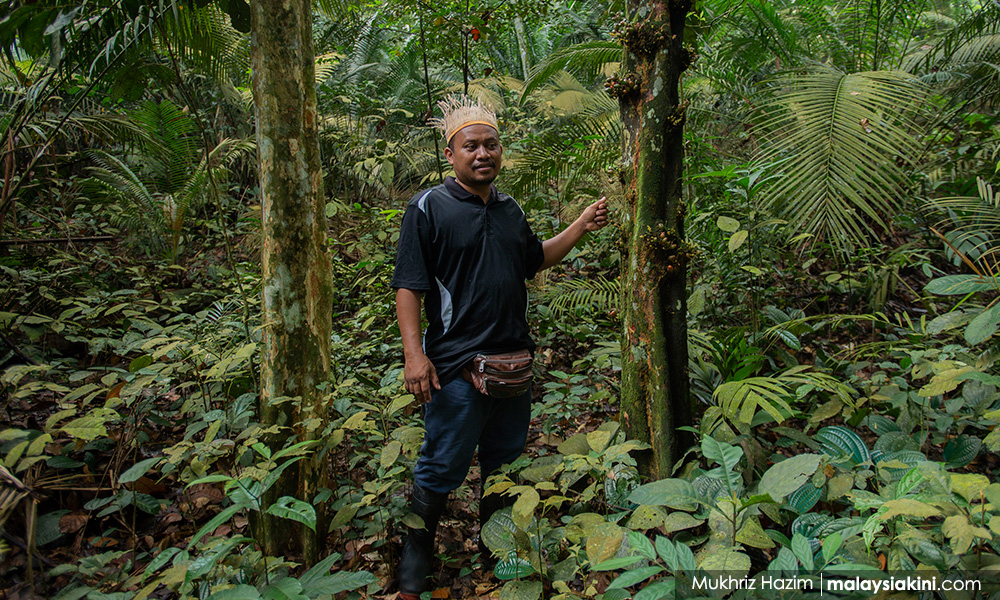
A product of intermarriage within the tribes themselves, they felt some groups were at risk of being absorbed by larger groups, as a result of intermarriage and younger generations shedding markers of their heritage as they assimilate into mainstream culture.
I suppose some might say that it’s inevitable.
In a longshot attempt to corroborate such a theory, I requested census data from the Statistics Department. After weeks of back and forth, the data I requested eventually arrived at my virtual doorstep via Whatsapp.
I would’ve been relieved - had it not been for the glaring issue that came with it. It was incomplete.
I asked for a breakdown of population numbers by race/tribe, and while the Statistics Department had to some degree delivered, the crunched numbers for the Orang Asli had come to a screeching halt at its Big Three groups: the Senoi, Negrito, and Melayu Proto.
A total of 18 Orang Asli groups in Malaysia fall within these three ethnic groups.
However, while some groups like the Semai and Temiar enjoy strength in numbers of tens of thousands, there are groups whose numbers worryingly come up to only several hundred.
Furthermore, they are nomadic and also gravitate towards assimilation with larger groups.
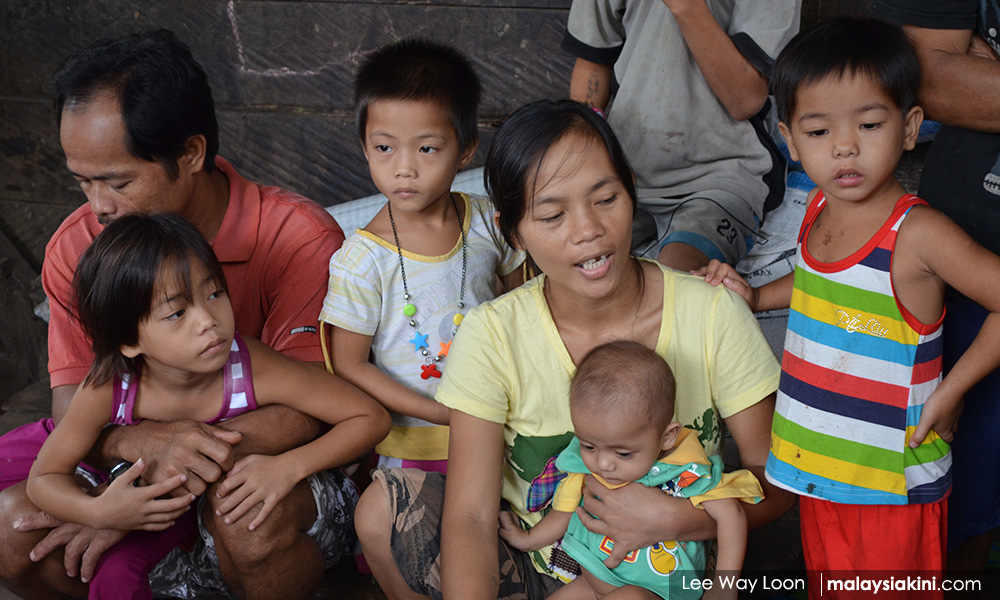
I tried to follow up with the Statistics Department to get a more detailed breakdown but faced a stumbling block in my attempt to do so.
A month after my follow-up question, I received a response from an official close to the ministry, which read:
“Buat masa ini, data hanya tersedia di peringkat yang diterbitkan. InsyaAllah, selepas we finalise the whole process, then we can consider the detailed request.”
(For the time being, the data is only prepared to the level that has been published. God willing, after we finalise the whole process, then we can consider a detailed request.)
Idle govt not protecting Orang Asli
Now, I don’t want to throw a damp towel on what is a public holiday, but I beg you to consider: What is the point of Malaysia Day when our minorities remain marginalised and indigenous folks clearly rank low on the list of priorities for the government?
Carrying out a census is an exercise in democracy - something which I strongly champion. But what is the point of a census if it is not transparent and used to inform policies that serve the needs of the people?
In the year 2022, detailed data of this sort should have already been prepared and made available. One cannot help but feel frustrated at the seeming idleness of the department at such a project over a year after the national census was completed.
To be fair, the 2020 Census faced issues due to the onset of the pandemic and the switch to an online format, but then again, the previous version in 2010 was able to provide a clearer, albeit more alarming picture.
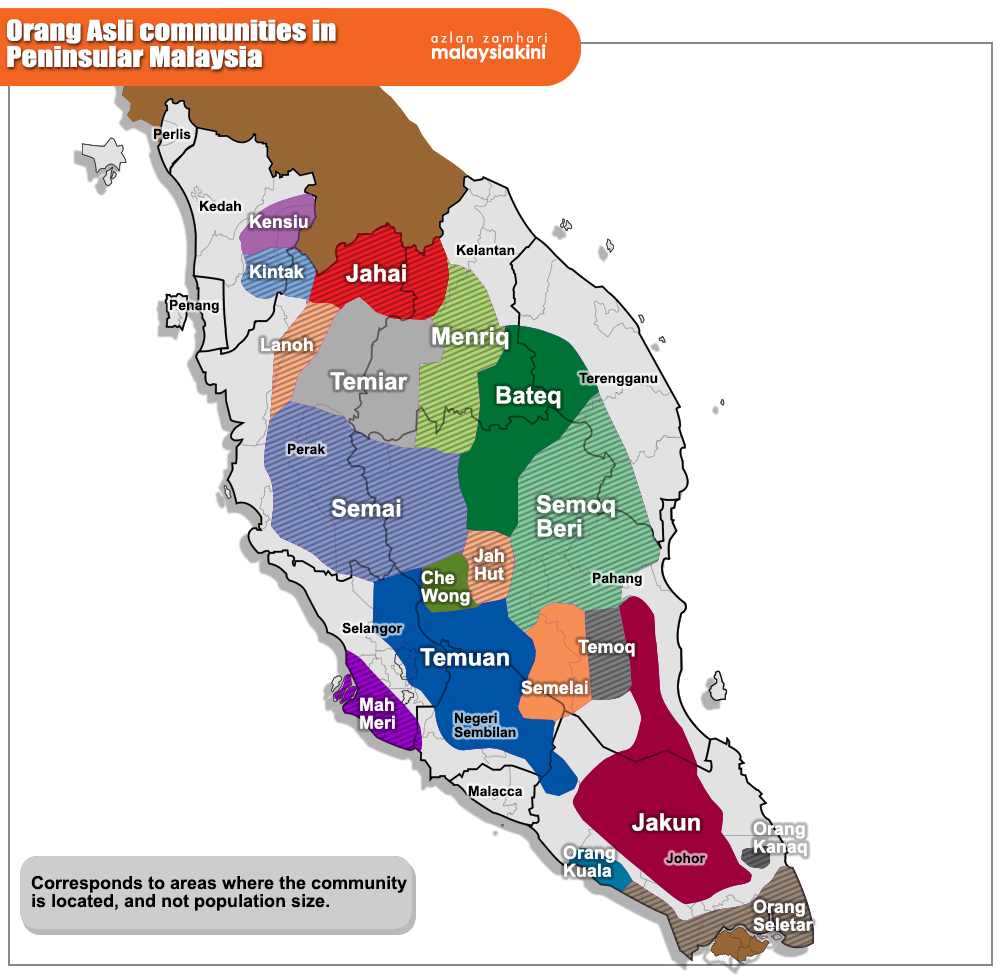
Indeed, in 2010, just in the peninsula, we saw groups like the Bateq, Jahai, Semoq Beri, Jah Hut, Mah Meri, Orang Seletar, and Orang Kuala numbered fewer than 6,000, while the smallest of the tribes, the Kensiu, Kintak, Lanoh, Mendriq, Che Wong, and Orang Kanaq, all have fewer than 1,000 registered people per tribe.
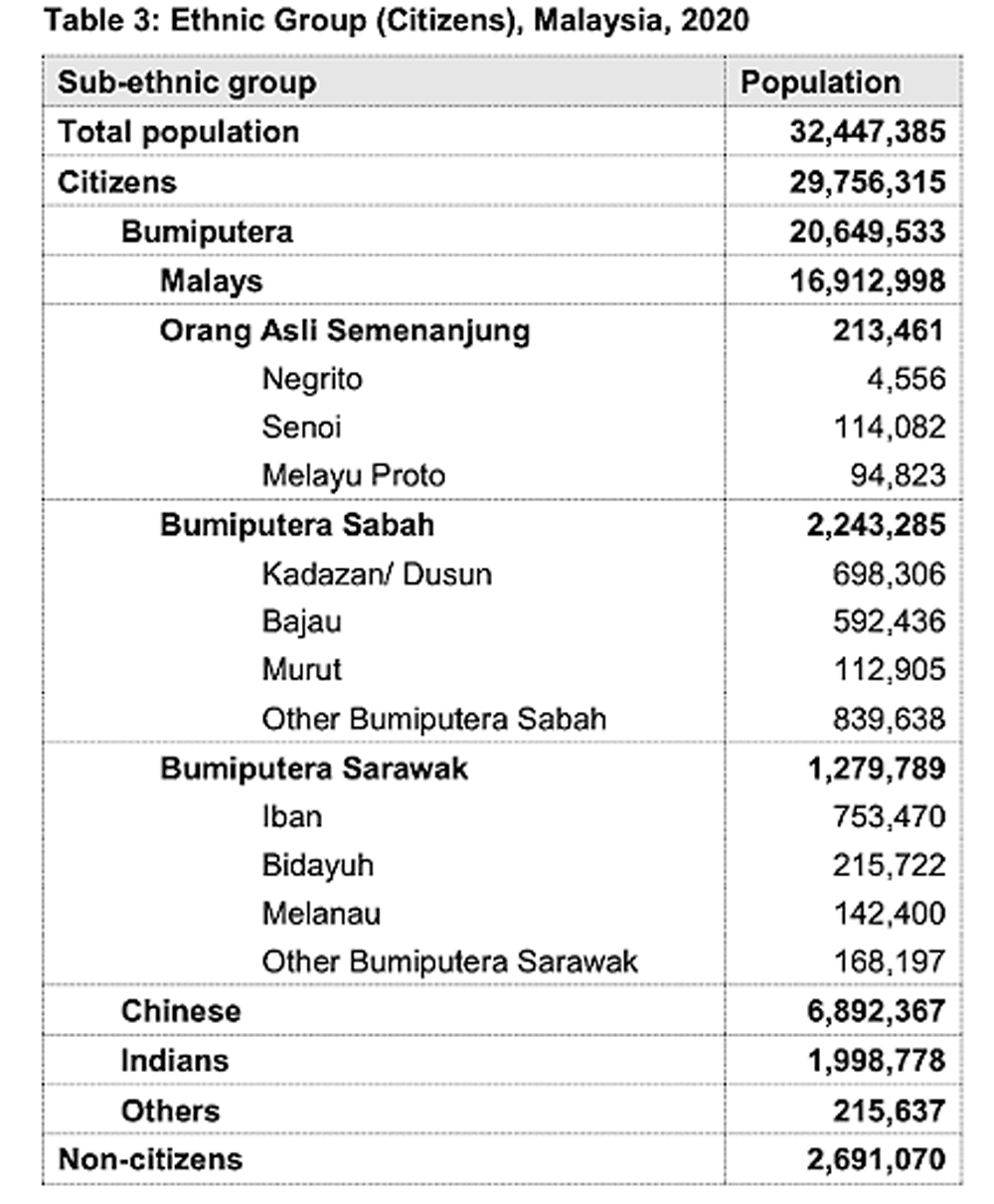
What are the numbers now? The Department of Orang Asli Development (Jakoa)? The Statistics Department? The cabinet? Who is keeping an eye out?
Most years, I treat Malaysia Day with the indifference that plagues many in my generation, but this year, more than ever, I feel sick over the state of our nation, worried for those who may suffer at the hands of an idle government without a will to protect its First Peoples.
The longer it takes for the Statistics Department to prepare a detailed breakdown of the Orang Asli and Orang Asal population, the more at risk certain groups may be due to gaps in data which in turn cause delays in appropriate policies and budget allocations to map out strategies that favour those communities.
Brazil’s “The Man Of The Hole”, despite his extreme isolation from society, had the privilege of being on the receiving end of routine checks from a government that cared for his safety.
I wish I could say, with some certainty, that our government is doing the same for our smallest indigenous groups - who may disappear within a few generations.
Ultimately, we need to ask ourselves on Malaysia Day: are we willing to do better?
ALENA NADIA is a member of the Malaysiakini team.

This Malaysia Day, support independent news by subscribing to Malaysiakini now with the limited-time offer (save up to RM72!). Subscribe now.
/file/publisher-c1a3f893382d2b2f8a9aa22a654d9c97/2022/09/571eeb820aed159548f9e89d1e7aaca2.jpg)
/file/1202/d82c0fdfb7f15c9f1c9b6f287bc918af.jpeg)
/file/1295/2a2904f61c3a3d065400fcb1b62c00ac.jpeg)


Report this comment
Are you sure you want to delete this comment?
This action cannot be undone.